I still remember the weight of that locket in my palm—cold in a way that felt unnatural, as though it had been pulled from somewhere the air itself refused to warm. It was heavier than it should have been, not just in metal, but in meaning, as if whatever it carried had never been meant to be carried by anything human. The symbols etched into its surface seemed to resist stillness. The longer I looked at them, the more they appeared to shift—subtle at first, then unmistakable—like they were trying to reassemble themselves into something just beyond comprehension, something I almost recognized but could not name.
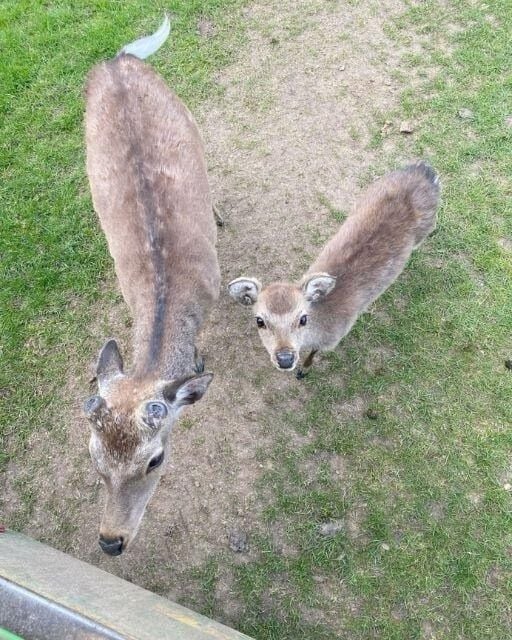
The parchment had not felt like a warning so much as a verdict. The truth is not safe. The truth is not gentle. Those words didn’t fade after I read them; they settled in, repeating themselves in the quiet spaces between thoughts. That was when I understood the deer hadn’t been random, and the moment I thought was strange and beautiful had actually been deliberate. I wasn’t being shown something—I was being selected for it.
In the days that followed, reality began to feel subtly unstable, as though the world had been placed back together in a hurry and some pieces no longer aligned. Light behaved differently around the locket. When I held it near a lamp, the glow seemed to thin, like it was being stretched through something invisible. My phone refused to cooperate whenever it came close, freezing or distorting as if the device itself was rejecting what it couldn’t interpret. Even photographs failed—every attempt resulted in blurred shapes and empty space where the object should have been.
Outside, the forest changed its language. Deer tracks appeared in the damp earth beneath my window in patterns too precise to be aimless, forming arcs and broken lines that resembled direction more than movement. Yet by morning, they were gone, as if the ground had decided to forget what it had been used for. Still, I followed them each day, deeper into places I couldn’t explain to myself, only justify by the growing certainty that turning back would not undo anything—it would only delay it.
Every fragment of research I uncovered in old archives, half-burned records, and abandoned notes seemed to collapse toward the same term: The Veil. It wasn’t described as a place so much as a boundary—something that separated what is known from what refuses to be known, what is seen from what insists on remaining hidden. The word appeared in margins, crossed out in some documents, emphasized in others, always treated as both warning and obsession. The more I read, the more it felt less like I was discovering it and more like I was being led back to something I had always been circling.
And then there were the signs that no longer required interpretation. Lights dimmed when I spoke the symbols aloud under my breath. Silence in the house grew denser at night, as if sound itself was being measured. The feeling of being observed never fully left, not as fear exactly, but as recognition—like something on the other side of understanding had begun to notice that I was noticing it.
I don’t know what waits beyond The Veil, or whether “beyond” is even the right word. But I know the path is no longer accidental. It continues whether I choose it or not. And every time I tell myself to stop, the forest answers in ways I can’t ignore.
So I keep following.