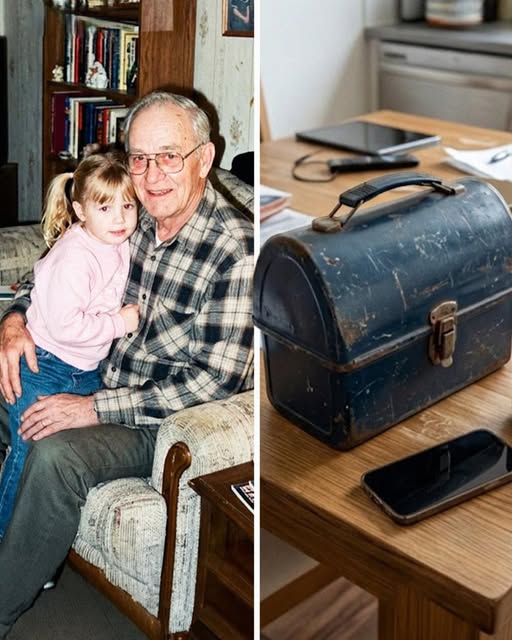
I had always felt like the outsider in my own family. Being the youngest of five, I grew up under a weight that was never mine to begin with. My parents died in a devastating car accident when I was just two years old, and my siblings never let me forget their belief that it happened because of me. As soon as they reached eighteen, each of them left home—running from the memories and from the man who raised us. I stayed. After college, I moved back in to take care of Grandpa Walter as he aged, his steps slowing and his hair fading to silver. I didn’t do it for any inheritance. I did it because he was the only person who ever looked at me without resentment.
When Grandpa died, the lawyer’s office felt heavy with expectation and greed. My siblings sat in a neat row, already mentally counting their shares. The will surprised everyone. Matthew received the family house. Jake got the car. Kirk and Jessica were each given twenty-thousand-dollar checks. Then the lawyer turned to me with a quiet, almost apologetic expression. I was left with only Grandpa’s old metal lunchbox—the same worn, rusted tin he had carried to work every day of his life.
My siblings couldn’t hold back their laughter. Jake ridiculed the “value” of the rusted box, and Jessica shook her head in embarrassment at what they saw as a joke. I walked out of the office in tears, holding it tightly, feeling as if the one person I had trusted most had finally confirmed what my siblings always believed—that I was worth nothing.
I went to the park Grandpa used to take me to when I was little. Angry and drained, I forced open the rusty latch of the lunchbox. At first, I only saw old grocery receipts and bus tickets, and my frustration deepened. But then I noticed a small, empty notebook and something strange: on each receipt, a single digit had been circled. Not prices or dates—coordinates.
Then I remembered the scavenger hunts Grandpa used to create for me. This wasn’t an insult. It was his final game. That night, I entered the numbers into my laptop and traced five locations across the city. The next morning, I began following the trail.
At an old auto shop, a friend of Walter’s handed me a sealed envelope with a message inside: “You’re on the right track. Don’t stop now.” At a diner, a waitress gave me a small, unfamiliar key. At the library, a librarian showed me records of steady deposits Grandpa had made into savings accounts over many years.
The fourth stop changed everything. A retired accountant revealed documents that completely overturned what I believed about my siblings. They had been quietly draining Grandpa for years—coming to him whenever they were in trouble, taking money repeatedly. He had helped them, but always kept careful records. He realized they saw him as a source of money, while I was the one who saw him as a person.
The final stop was a bank. The key from the diner opened a safe-deposit box registered in my name. Inside were deeds to multiple rental properties Grandpa had secretly purchased and invested in over decades—assets worth far more than the house and the cash my siblings received. At the bottom lay one final note: “You stayed when leaving was easier. This was never about fairness. It was about trust.”
Grandpa had known my siblings would fight over money, so he gave them the obvious inheritance to keep them satisfied while guiding me toward the real legacy. He didn’t just leave wealth behind—he left one last carefully planned journey for us. Sitting in that park six months later, I finally understood: the lunchbox wasn’t just something he used for meals. It was the container that held my entire future.