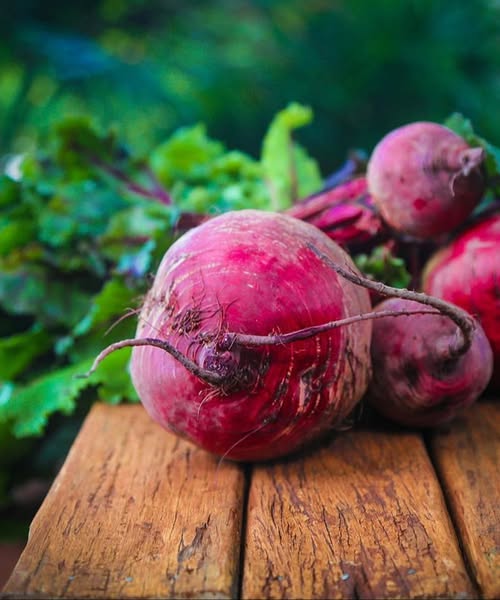
In the modern world of health and wellness, where flashy “miracle” supplements and expensive powders dominate the headlines, it is often the simplest and most humble vegetables that hold the true key to longevity. For decades, beetroot has been a common staple in gardens and kitchens, but recent discoveries in nutritional science have elevated it from a simple side dish to the center of a health revolution. Doctors and nutritionists now emphasize that the deep red color of beetroot is not just aesthetic—it represents a powerful concentration of bioactive compounds that can significantly influence how the body functions at a cellular level. Instead of the empty promises of many synthetic alternatives, beetroot offers a stable, scientifically supported path toward improved circulation, brain health, and metabolic balance.
When consumed regularly, beetroot acts as a silent maintenance system within the human body. Its effects are rarely immediate or dramatic, which is why it is often underestimated by those seeking quick solutions. However, for those focused on long-term health, consistent consumption provides cumulative benefits over time. The true strength of this root vegetable lies in its unique chemical composition, especially its high levels of natural nitrates. Unlike nitrates associated with processed foods, which have a negative reputation, the nitrates in beetroot are plant-based and are converted in the body into nitric oxide—a crucial signaling molecule for the cardiovascular system.
The primary role of nitric oxide is vasodilation, the widening and relaxing of blood vessels. This improves blood flow, reduces pressure on arterial walls, and ensures that organs receive more oxygen and nutrients. For athletes, this means greater endurance and faster recovery, as muscles are supplied more efficiently during physical exertion. But the benefits go far beyond sports performance. Improved circulation also supports brain function, helping enhance focus and memory. Medical studies suggest that better blood flow to the brain may slow the cognitive decline often associated with aging.
Beyond the heart and brain, beetroot plays an important role in digestive and metabolic health. In a time when modern diets are high in sugar and processed foods, maintaining stable blood sugar levels is a major challenge. Beetroot is rich in fiber, which serves two main purposes: it feeds beneficial gut bacteria and slows the absorption of glucose into the bloodstream. This helps prevent sudden insulin spikes and energy crashes, creating a more stable energy level throughout the day.
In addition, the deep red color of beetroot comes from betalains—rare natural antioxidants studied for their strong anti-inflammatory properties. These compounds help the body fight oxidative stress, one of the main causes of premature aging and cellular damage. They also support the liver’s natural detoxification processes. Unlike misleading “detox” trends, the liver is the body’s true detox system, and nutrients found in beetroot help it function more efficiently. Combined with essential vitamins and minerals such as folate, potassium, manganese, and iron, beetroot becomes a complete nutritional package.
However, experts also stress balance. Beet juice, for example, is absorbed more quickly and may raise blood sugar if consumed without the fiber found in whole beetroot. Additionally, because it is high in oxalates, individuals prone to kidney stones should moderate their intake. Another harmless but surprising effect is “beeturia,” where urine or stool may turn pink or red after consumption, which can alarm those unaware of it.
One of beetroot’s most underrated qualities is its versatility. It is affordable, widely available, and easy to include in a balanced diet. It can be roasted, grated into salads, blended into smoothies, or cooked in soups. The key is consistency rather than large amounts at once—regular inclusion in the diet creates long-term health benefits, strengthening the heart, mind, and body.
Ultimately, the story of beetroot is a reminder that nature often provides the most effective solutions in the simplest forms. It is a food that deserves understanding and respect, yet in return offers long-lasting health benefits. As science continues to uncover its mechanisms, the message remains clear: good health is built through small, daily choices. Beetroot is not a passing trend—it is a timeless example of the power of natural nutrition.