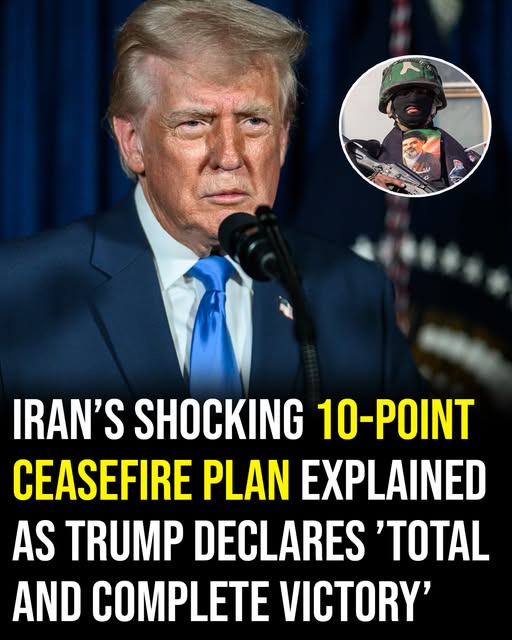
The world feels like it’s paused, caught in a tense moment where everything could either settle… or spiral out of control. As of April 2026, leaders across major capitals—from Washington to Tokyo—are all asking the same question: is this a brilliant display of strategic restraint, or the quiet beginning of a shift in global power where the United States steps back from its long-held role? For now, there’s a heavy silence hanging over international politics, filled with urgency and quiet pressure as diplomacy races against time.
In the Strait of Hormuz, the tension is almost surreal. Oil tankers continue their routes under the close watch of Iranian naval forces, while U.S. fighter pilots remain grounded on carrier decks. These are professionals trained for action, now held back by sudden orders from the highest levels—orders that have replaced military force with negotiation. The recently introduced 10-point proposal has effectively turned a potential battlefield into a fragile experiment in peace.
Behind the scenes, however, the situation is far more complicated than headlines suggest. This is no simple two-sided negotiation. Countries like Pakistan, Egypt, Turkey, China, and even Israel are quietly involved, each trying to push both sides toward an agreement. Every one of them has something at stake. A single mistake—a misread signal, a trigger pulled too soon—could collapse everything and reignite conflict. Inside meeting rooms from Islamabad to other key cities, discussions are tense, driven by urgency, compromise, and an underlying fear that trust could break at any moment.
The 10-point framework itself represents a delicate balance of demands and concessions, aiming to ease decades of hostility. While many details remain confidential, its goal is clear: to reshape regional security in a significant way. Supporters of the current leadership see this as strength—not weakness. They argue that true leadership means knowing when to step back, prioritizing human lives and global stability over prolonged conflict. In their view, avoiding disaster is the real victory.
Critics, however, see it very differently. To them, this isn’t diplomacy—it’s retreat. They believe the leadership backed down at a crucial moment, trading long-term influence for short-term calm. Some argue that Iran may use this pause to strengthen its position and advance its strategic goals. For these voices, the agreement feels less like peace and more like a temporary delay of a larger confrontation.
As negotiations continue, especially in places like Islamabad, the challenge remains enormous. Decades of mistrust, sanctions, and indirect conflicts can’t be undone overnight. Even as discussions move forward, the impact is already being felt in global markets and military planning.
The Strait of Hormuz remains the clearest symbol of this fragile situation. Each encounter between Iranian patrols and Western ships raises questions about how stable this truce really is. Every grounded drone, every delayed operation fuels debate—whether this is patience or vulnerability.
What’s happening now goes beyond a single conflict. It’s a test of how global power will function in the modern era. If the 10-point plan works, it could become a model for resolving other major conflicts through cooperation. It might signal a move away from single-nation dominance toward shared responsibility. But if it fails, the consequences could be far more severe than what was just avoided. With diplomacy exhausted, escalation would likely follow.
Time is running out. Negotiators are under pressure, the public is uneasy, and leaders are making decisions in isolation. Over the next two weeks, the world will find out whether this moment marks the beginning of stability—or just a quiet pause before something far more destructive.
Right now, everything hangs in the balance. The outcome of these final hours could shape global politics for decades. Whether it ends in peace or regret, one thing is certain—the world will not be the same once this moment passes.