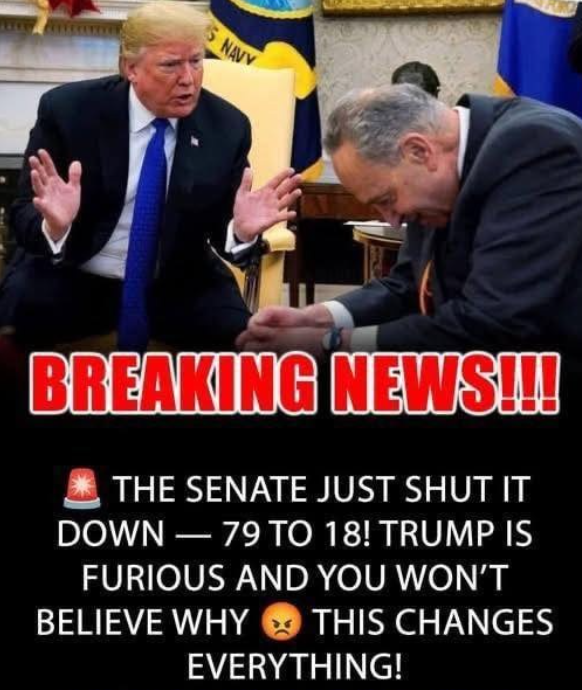
The chamber fell into an uneasy silence as the digital scoreboard in the Senate flashed the final tally: 79 to 18. It was a crushing defeat for Senator Bernie Sanders and a small group of progressives who sought to block a $20 billion arms deal. Despite global pressure and the haunting images of destruction emerging from the Middle East, the United States Senate sent a clear, thunderous message: the bombs will keep flowing, and the alliance remains unshakable—regardless of the cost.
The vote marked a historic clash between the cold machinery of geopolitical strategy and a rising humanitarian conscience. Sanders had introduced Joint Resolutions of Disapproval, arguing that the sale of nearly $20 billion in weaponry—including tank rounds, mortars, and tactical vehicles—violated U.S. law. Under American statutes, weapons transfers are prohibited to entities that obstruct humanitarian aid or commit human rights violations. Sanders’ warning was direct: approving this deal was not just a policy choice; it was complicity.
Yet the Senate majority saw it differently. Proponents, spanning both parties, framed the vote as essential to regional stability. Israel, they argued, is a crucial ally in a volatile region, and withholding support would signal abandonment. Supplying these weapons, they said, ensures security and maintains American influence. In their view, allyship is unconditional—a commitment that must endure even the most brutal conflicts.
Outside the Capitol, the human toll was impossible to ignore. Civilian deaths reportedly exceeded 43,000, and critics argued that the U.S. effectively provided a “blank check” for war, destruction, and loss. The 18 senators siding with Sanders maintained that supplying these means of destruction compromises the United States’ moral authority on the global stage.
Though the resolutions were defeated decisively, the establishment’s victory may be pyrrhic. The vote forced every senator to go on record, ending the era of quiet, bipartisan consensus on military aid. It exposed a widening rift in the American conscience—a tension between traditional power politics and the demand for a foreign policy rooted in human rights. The unease that filled the chamber suggested that while policy remained intact, the consensus behind it was fracturing.
In the end, Sanders did not stop the flow of weapons—but he did something harder to undo. By forcing a floor vote highlighting the human cost, he pierced the veil of plausible deniability. The $20 billion deal survived, but the moral and legal questions he raised remain unresolved. As munitions continue to ship, the debate over when partnership crosses into complicity will persist, proving that while power may win the vote, conscience is far harder to silence.