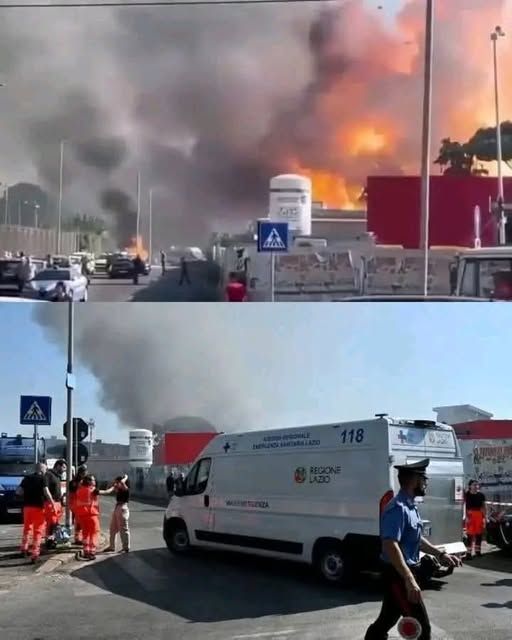
On an ordinary morning commute that became a scene of apocalyptic terror, Mexico City was rocked by a catastrophic road disaster along the busy Iztapalapa–Chalco highway. What began as a standard weekday rush hour turned into a nightmare when an LPG tanker, carrying more than 13,000 gallons of liquefied petroleum gas, overturned and erupted into a massive fireball. The explosion sent shockwaves through the capital, leaving charred wreckage, shattered lives, and a city demanding answers.
Witnesses described the blast as a deafening roar that shook windows and rattled nearby foundations. Within seconds, thick black smoke blotted out the morning sky. Drivers trapped in gridlock faced a harrowing choice: abandon their vehicles and flee or risk being consumed by the spreading inferno. Over 30 cars and motorcycles were engulfed as the highway—usually the rhythmic heart of the morning commute—turned into a corridor of screams and desperation.
The human toll is staggering. At least 15 lives were lost in the initial blast and subsequent fire, with authorities warning that fatalities may rise as critically injured victims fight for survival. More than 70 people sustained injuries, many with third-degree burns and severe smoke inhalation. Emergency rooms across eastern Mexico City were overwhelmed, with burn units reaching capacity within hours. Families have since gathered outside hospital gates, anxiously awaiting news of loved ones who vanished into the smoke.
The destruction extended beyond the highway. Nearby homes and businesses suffered structural damage from the blast’s force. Residents reported feeling the ground tremble like a high-magnitude earthquake. For the communities of Iztapalapa and Chalco, the charred landscape serves as a permanent reminder of the trauma of witnessing a fireball taller than surrounding buildings.
Preliminary investigations into the tanker have sparked public outrage. Potential causes include excessive speed, mechanical failure, or driver error. More troubling are allegations that the tanker may have lacked proper permits or insurance, pointing to systemic regulatory failures. The disaster has reignited debate over the safety of transporting hazardous materials through densely populated areas.
Many view this tragedy not as an accident, but as a predictable consequence of lax enforcement. Safety experts and local activists are calling for sweeping reforms: mandatory rerouting of fuel tankers away from residential areas and stricter inspection regimes for all hazardous cargo. Advocates argue that economic priorities have long overshadowed public safety, warning that without immediate action, another disaster is inevitable.
Today, the Iztapalapa–Chalco highway stands as a somber site of mourning. Candlelight vigils and floral tributes mark the spot where the explosion occurred—a stark monument to a tragedy that should never have happened. As Mexico City grieves, survivors’ message is clear: routine should never be a death sentence, and the time for reform is now.