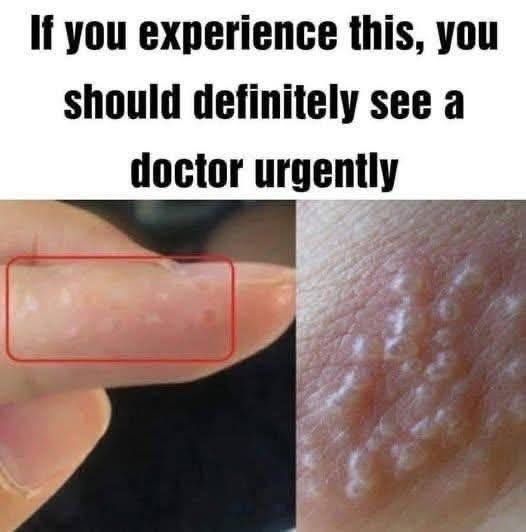
Spring is supposed to feel like relief—the air softens, the days stretch longer, and everything seems to wake up again. But for millions of people living with Dyshidrotic eczema, the season brings something very different. Instead of renewal, it signals the return of a quiet, relentless cycle of discomfort that can turn even the simplest moments into daily challenges.
It often begins without warning. Small, deep-seated blisters appear overnight on the palms, fingers, or soles of the feet. At first, they may look harmless—tiny, almost invisible bubbles beneath the skin. But the sensation they bring is anything but minor. The itching can feel intense, almost internal, as if it’s coming from beneath the surface where scratching offers no real relief. Soon, the burning follows. Skin tightens, cracks, and peels, leaving behind raw, sensitive areas that react to even the lightest touch.
Suddenly, ordinary life feels different.
Washing your hands becomes something to brace for. Typing on a keyboard turns into a slow, deliberate task. Even holding someone’s hand—a gesture that should feel natural and comforting—can trigger discomfort or hesitation. For those experiencing it, this isn’t just a skin issue. It’s a constant negotiation between what needs to be done and what the body can tolerate.
Spring makes it worse for a reason. Changes in temperature and humidity can increase sweating, and moisture trapped against the skin becomes a trigger. Stress—often rising with seasonal transitions or lifestyle changes—adds another layer. Contact with everyday irritants like cleaning products, soaps, or metals such as nickel can quietly push the skin over its threshold.
And then there’s the part people don’t always see.
The emotional weight.
Because conditions affecting the hands and feet are hard to hide. People notice. Questions come. Sometimes assumptions follow. There can be embarrassment, frustration, even isolation—especially when flare-ups are visible or persistent. Being told it’s “manageable” doesn’t always reflect the lived experience of dealing with it every single day.
Still, there is a path forward.
While there’s no permanent cure, many people learn to manage Dyshidrotic eczema with a combination of medical care and daily habits that protect the skin. During flare-ups, dermatologists often recommend topical corticosteroids to reduce inflammation and calm the reaction. Cool compresses can soothe the burning sensation, while antihistamines may help control itching, especially at night.
Equally important is consistent skin care. Fragrance-free, gentle moisturizers help restore the skin barrier, which is often weakened during flare-ups. Avoiding harsh soaps and switching to mild cleansers can make a noticeable difference over time.
Prevention becomes a kind of strategy.
Wearing gloves during cleaning or when hands are exposed to water for long periods helps reduce irritation. Identifying personal triggers—whether it’s stress, certain metals, or specific products—allows people to avoid what worsens their symptoms. And one of the hardest but most important habits: resisting the urge to pop blisters, even when they’re uncomfortable, to prevent infection and further damage.
Over time, something shifts.
Not necessarily the condition itself—but the relationship with it.
With patience, awareness, and consistency, many people regain a sense of control. Flare-ups may still come, especially with seasonal changes, but they become more predictable, more manageable. Confidence slowly returns—not because the condition disappears, but because it no longer dictates every moment.
Spring may always bring challenges for those affected.
But it doesn’t have to take everything with it.
Because even in the middle of discomfort, there is still room for adaptation, resilience, and small victories—the kind that turn pain back into something livable, and life back into something recognizable.