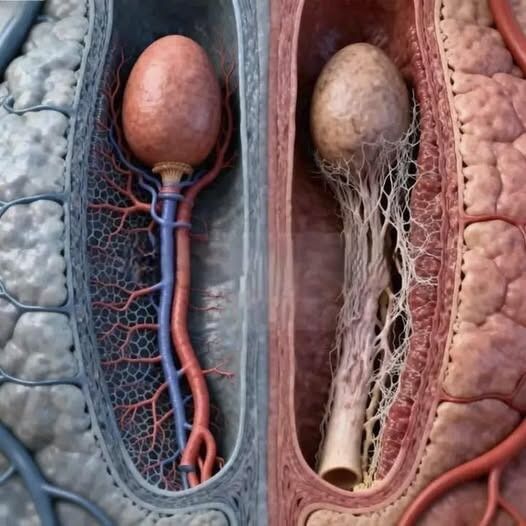
Most people rarely think about their kidneys. They exist quietly, performing one of the body’s most essential roles, yet they almost never demand attention. Unlike the heart, which pounds visibly during exertion, or the lungs, which struggle to hide distress when breathing becomes difficult, the kidneys operate almost entirely in silence. There are no daily reminders, no sharp alerts, no immediate pain to indicate that something is wrong. This invisibility is precisely what makes neglecting them so dangerous.
Every second of every day, your kidneys are hard at work. They filter toxins and waste from the bloodstream, regulate fluid levels, balance electrolytes, manage minerals such as sodium and potassium, and help produce hormones essential for controlling blood pressure and forming red blood cells. They are your body’s internal purification system, your biochemical regulators, and, in every sense, unsung heroes of your physiology. And yet, they do not complain when they begin to falter.
Kidney damage is insidious. It often arrives without warning, painlessly, and with subtle or easily ignored symptoms. Fatigue, mild swelling, slight changes in urination, or elevated blood pressure may appear—but these signals are easily attributed to stress, lifestyle, or aging. Damage accumulates silently over months and years, often only becoming noticeable when significant impairment has already occurred. This stealthy progression is why kidney health is frequently overlooked, despite its central importance to overall well-being.
The kidneys’ responsibilities extend far beyond filtering blood. They constantly adjust the body’s fluid balance, responding to variations in diet, hydration, stress, and activity. They regulate the body’s acid-base balance to ensure cells function properly, influence blood pressure, maintain mineral equilibrium, and even affect hormonal signaling throughout the body. Their adaptability is remarkable—but not infinite. Modern lifestyles push these organs to their limits, often without notice.
Diet is one of the most powerful stressors on kidney health. Highly processed foods, prevalent in many modern diets, are often loaded with sodium and added sugars. Sodium forces the kidneys to work harder to maintain fluid balance, while sugar contributes to insulin resistance and diabetes—a leading cause of kidney disease. Over time, this persistent strain gradually damages delicate filtration structures, reducing their efficiency and resilience. Unlike acute injuries, this damage accumulates quietly, a hidden erosion of the body’s most vital filter.
Hydration is another cornerstone of kidney function that is frequently underestimated. Adequate fluid intake ensures proper filtration and the removal of toxins and waste. Chronic dehydration—whether from insufficient water intake, excessive caffeine or alcohol, or other lifestyle factors—impairs this process. Waste accumulates, filtration slows, and kidney tissue experiences ongoing stress. The signs of mild dehydration—fatigue, subtle headaches, or a vague sense of being “off”—may seem insignificant, yet the kidneys may already be struggling.
Chronic inflammation, often linked to poor diet, stress, inactivity, or environmental factors, can also silently damage kidney tissue over time. Unlike sudden injuries, inflammation is subtle, slow-moving, and cumulative, compounding stress on the organs and weakening resilience. Even individuals who appear healthy may harbor hidden risk factors that undermine long-term kidney function.
Lifestyle habits amplify these risks. Physical inactivity contributes to high blood pressure, poor circulation, and metabolic disorders—all of which increase susceptibility to kidney dysfunction. Regular exercise improves circulation, supports cardiovascular health, helps regulate blood pressure, and alleviates systemic stress. Chronic stress, too, disrupts internal balance, influences hormone levels, and exerts pressure on kidney function in ways that may not be immediately visible.
Medication use is another factor often overlooked. Over-the-counter pain relievers or prescription drugs can, over time, strain kidneys. NSAIDs, in particular, are known to reduce kidney efficiency and contribute to chronic damage if used frequently. Responsible usage—understanding dosage, duration, and cumulative effects—is essential. Medications are not inherently dangerous, but overuse or ignorance can quietly erode kidney health.
The danger of kidneys lies in their demand for attention only after symptoms become unavoidable. By the time swelling, fatigue, changes in urination, or high blood pressure appear, the focus shifts from prevention to management. Prevention is simpler, safer, and far more effective than attempting to reverse advanced damage.
Fortunately, small, consistent actions can make a profound difference. Hydration is the simplest and most effective preventative measure. Drinking adequate water supports filtration, prevents the accumulation of waste, and maintains the kidneys’ natural regulatory systems. Diet is equally critical: limiting processed foods, salt, and added sugars while prioritizing nutrient-dense whole foods reduces the kidneys’ workload. Fresh fruits, vegetables, lean proteins, and whole grains all contribute to internal balance, kidney resilience, and overall health.
Physical activity cannot be overlooked. Movement improves circulation, regulates blood pressure, supports metabolic health, and reduces systemic stress. Even moderate exercise, maintained consistently, preserves kidney function over time. Routine screenings are also essential. Blood pressure measurements, urine analysis, and tests such as creatinine or glomerular filtration rate (GFR) can detect early dysfunction before irreversible damage occurs.
Awareness is, in itself, a powerful tool. Understanding that the kidneys work continuously—silently, ceaselessly, and without complaint—changes how we approach overall health. It shifts the mindset from reacting to illness toward actively preventing dysfunction. These organs maintain balance, stabilize internal systems, and sustain life. When they falter, the consequences cascade through every other system in the body.
Neglect is easy because the danger develops silently. Prevention is simple: mindful hydration, balanced nutrition, consistent physical activity, and proactive monitoring. Yet ignoring the kidneys’ needs carries profound risks: chronic illness, systemic strain, and life-altering complications. The difference between awareness and ignorance can determine long-term vitality and quality of life.
The most dangerous problems in the body are often invisible. Pain signals danger, but the absence of discomfort does not equal safety. The kidneys epitomize this truth. They work tirelessly, invisibly, and without complaint. Silent, gradual, and relentless, damage accumulates until recovery becomes difficult or impossible. Respecting their role, supporting their function, and maintaining consistent, healthy habits ensures that these vital organs continue to sustain life quietly, efficiently, and resiliently. Prevention is the only way to protect these silent workhorses, because the problems we cannot feel are often the ones that matter most.