A sudden alert flashes on your phone. The sound is sharp, almost accusatory. Your stomach drops, your pulse quickens, and your mind immediately vaults to the worst-case scenario before you’ve even finished reading the first line. Is this it? Is something terrible happening right now? Every notification feels like a summons, a drumbeat announcing danger in a world that already thrives on constant anxiety. In a society wired for instant response, even a so-called “precautionary” message can feel like a siren, slicing through the hum of daily life. For a moment, rational thought gives way to raw, visceral fear, and the familiar screen in your hand becomes a conduit to imagined disaster.
Yet, paradoxically, the real danger rarely lies in the alert itself—it lies in how our brains interpret it. Most of the messages that light up our phones today are designed to prepare us, not terrify us. Governments, civil defense agencies, international organizations, and even private infrastructure networks routinely issue notices for everything from routine safety drills to weather monitoring, seismic activity alerts, cyber threat advisories, and regional security updates. The word “precautionary” is almost always a polite signal meaning, “Pay attention, just in case,” not “Brace yourself: something is about to happen.” But in the age of 24/7 news cycles, social media amplification, and the dopamine-fueled immediacy of notifications, nuance has become a casualty. A routine advisory can feel like a personal emergency, a coded message meant to disrupt your day.
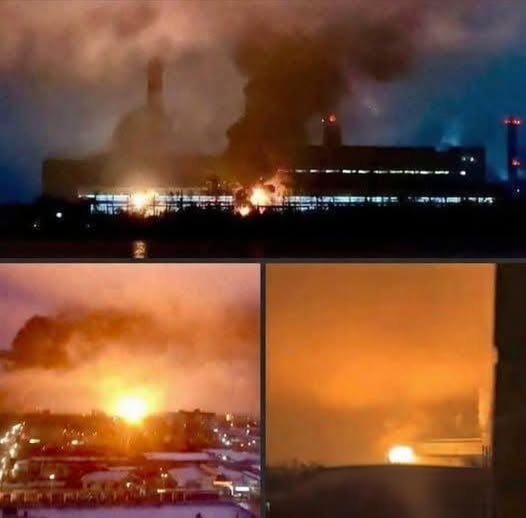
The problem intensifies when speculation and misinformation sprint ahead of the facts. A single alert about a cyber incident, a weather anomaly, or a regional security test can metastasize online into “proof” of an impending catastrophe within minutes. Images are miscaptioned, hashtags spread like wildfire, and every comment thread adds layers of panic that were never part of the original message. A city-wide power test becomes an “imminent blackout”; a routine hurricane advisory becomes “apocalypse confirmed.” Before you know it, collective anxiety has snowballed, and the original context—the simple precaution—has been buried under a mountain of fear.
The healthiest, most effective response is surprisingly low-tech and deceptively simple: calm, deliberate skepticism. Verify any urgent messages through official channels—municipal alerts, government websites, or reputable news sources—rather than accepting social amplification as truth. Follow concrete instructions, if any are provided, and tune out dramatized interpretations that thrive on panic rather than clarity. Most alerts, when stripped of exaggeration, are quiet reminders: stay aware, stay prepared, and remember that your life will continue even if everyone else is spiraling.
In an era dominated by immediacy, the ability to pause, breathe, and place a flashing notification in its proper context has become a survival skill in its own right. Each alert is a test—not of physical readiness, but of mental discipline. It asks: can you resist the instinct to catastrophize, to give fear control over your hours, your decisions, your day? Often, the true danger isn’t the content of the warning—it’s how easily our attention, our emotions, and our imaginations can be hijacked by it. In 2026, staying grounded is the most radical act of all.