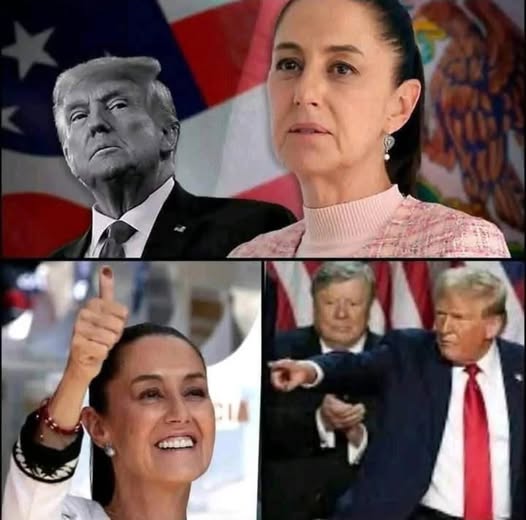
The world seemed to stop breathing. Every conversation, every meeting, every moment hung suspended as the implications of a single statement rippled across the globe. With one post on Truth Social, Donald Trump claimed that the United States had bombed three Iranian nuclear sites, including the deeply fortified Fordo facility. Instantly, chaos replaced calm, and global leaders scrambled into crisis mode. The headlines blared, social media erupted, and the diplomatic world erupted into an urgent flurry of calls, emergency meetings, and rapid-fire assessments. In Tehran, the air was tense and electric. Iran vowed it “reserves all options,” a phrase that resonated ominously in every capital. Allies whispered among themselves, fearing red lines had been crossed. Enemies muttered of revenge, planning their next moves as the world held its breath. At the United Nations in New York, delegates stared at screens in a mixture of shock, disbelief, and fear, knowing that any miscalculation now could trigger a chain of events no one could stop.
Trump’s declaration of a “very successful attack” instantly shattered any remaining illusion of stability. In Tehran, Foreign Minister Abbas Araghchi condemned the alleged strike as “outrageous” and “criminal,” his words carefully measured but dripping with threat. He warned that Iran would respond under its right to self-defense, invoking international law while simultaneously signaling the potential for swift and decisive retaliation. The phrase “reserves all options” was repeated endlessly, dissected in diplomatic briefings from London to Moscow. Analysts debated whether it was a genuine warning or a bluff, but everywhere the phrase carried the same unmistakable undertone: escalation, maybe far beyond the region, was on the table.
In Jerusalem, the streets buzzed with cautious optimism. Some Israeli leaders framed it as a historic victory, a decisive strike against a nuclear program that had long been portrayed as a looming existential threat. Intelligence analysts dissected satellite images, reports, and open-source information, searching for confirmation, reassessing the scale and accuracy of the alleged attacks. In Washington, politicians, strategists, and military leaders parsed every word of the announcement, debating the ramifications for regional allies and American troops. Some celebrated the move as bold, necessary, and preventative, while others feared it had crossed dangerous boundaries, risking a spiral into conflict.
Meanwhile, across the Atlantic, European capitals were subdued. Diplomats in Paris, Berlin, and Brussels whispered about treaties under strain, about agreements carefully negotiated for decades now potentially unraveling overnight. In quiet conference rooms, they discussed worst-case scenarios: retaliatory strikes, the disruption of global oil markets, waves of regional instability, and the unpredictable consequences of a full-scale military escalation. Every sentence spoken carried weight, every decision had the potential to tip the fragile balance into open war. At the United Nations, ambassadors meticulously weighed their statements, acutely aware that a single word or gesture could ignite a catastrophic response. The entire assembly held its breath, the tension palpable as the world watched the unfolding crisis with a mixture of dread and disbelief.
In every corner of the globe, journalists scrambled for answers, social media feeds erupted with speculation, and ordinary citizens tried to comprehend what was happening. The storm of reactions—from outrage to tentative approval, from fear to cautious hope—underscored a single, undeniable truth: the world had shifted in an instant. Diplomacy, once assumed to be a slow, deliberate art, now raced to keep pace with the consequences of a single statement. The question that hung over every city, every government, every leader, was the same: who would move next, and how far would the escalation go before someone dared to call a halt?
The world, once again, waited—nervous, uncertain, and acutely aware of just how fragile the veneer of global stability could be.