Over the Labor Day weekend in Chicago, the city was once again gripped by a wave of gun violence that left the community shaken and mourning. Police reports confirmed that at least 54 individuals were shot across multiple neighborhoods during the holiday period, a tragic figure that underscores the persistent challenges facing the city. Among the victims, seven people lost their lives, with fatalities including two women, three men, and two others whose identities had not yet been confirmed by authorities at the time of reporting. The remaining dozens of victims sustained injuries ranging from minor to severe, highlighting the wide-ranging impact of the weekend’s unrest.
Authorities emphasized that most of the shootings appeared to be unrelated incidents rather than the result of a single organized attack, yet the sheer frequency of the violence over just a few days reflected a worrying pattern. Despite the large number of shootings, police made relatively few arrests, illustrating the complexities involved in investigating such crimes in a sprawling urban environment where witnesses are often reluctant to come forward and perpetrators are difficult to track. Emergency responders worked tirelessly over the holiday weekend, attending to the injured and navigating the tense dynamics of the city’s most affected areas, as families and communities grappled with the sudden loss and trauma inflicted by gunfire.
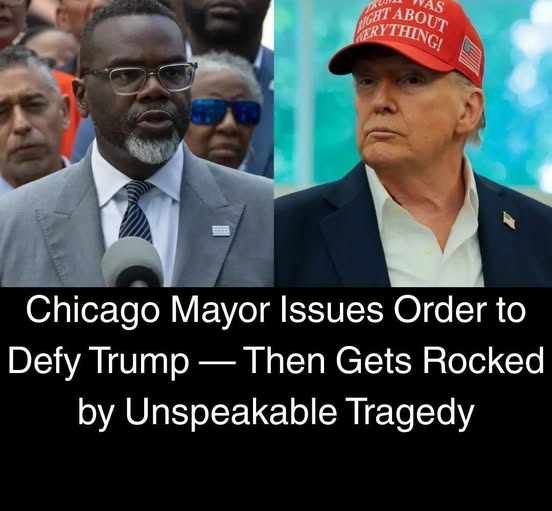
The tragic weekend reignited debates over public safety and law enforcement strategies in Chicago. Mayor Brandon Johnson responded to the violence with a firm stance aimed at protecting local governance and policing autonomy. In a decisive move, Johnson signed an executive order explicitly barring Chicago police officers from cooperating with federal authorities, signaling a refusal to allow external intervention despite calls from the federal government. This order directly opposed recent pressure from former President Donald Trump, who had advocated for deploying federal troops or law enforcement agents to assist in curbing Chicago’s gun violence. Johnson vowed that he would challenge any federal attempts to override the city’s authority in court, framing the matter as both a legal and political battle over the proper balance of power between local and federal agencies.
The White House, in response to the mayor’s executive order, accused local Democratic leaders of politicizing crime rather than taking meaningful action to address the root causes of gun violence. Federal officials argued that without the support of national resources, Chicago’s police force would be ill-equipped to manage the ongoing crisis, particularly during high-traffic periods like holiday weekends when large gatherings increase the likelihood of violent incidents. The exchange between city and federal authorities intensified already heated public discussions, shining a spotlight on long-standing tensions surrounding policing, resource allocation, and political priorities in major U.S. cities.
Chicago, a city with a storied history of violence and resilience, has experienced a deeply troubling year so far. As of the Labor Day weekend, the city had reported 272 homicides in 2026, a number that reflects both historical trends and emerging challenges. Community leaders and activists have pointed to systemic issues, such as economic inequality, limited access to education and mental health services, and entrenched gang activity, as contributing factors that exacerbate the frequency and lethality of gun-related incidents. The weekend’s events served as a stark reminder that, despite ongoing efforts, Chicago remains in the midst of a protracted struggle to ensure the safety of its residents, particularly in neighborhoods most impacted by violence.
In the wake of the shootings, families and community members grappled not only with grief and loss but also with uncertainty and fear. Vigils and memorials were organized in neighborhoods affected by the violence, with residents coming together to mourn those lost while calling for increased safety measures and community support programs. Social media platforms became a virtual space for both solidarity and debate, as citizens shared information about the incidents, expressed frustration with local leadership, and advocated for solutions ranging from stricter gun control measures to expanded youth engagement initiatives.
Law enforcement officials acknowledged the difficulty of policing a city with both high population density and complex socio-economic dynamics. The weekend highlighted ongoing challenges in gathering evidence, identifying perpetrators, and pursuing justice for victims in a timely manner. Officers noted that many shootings are carried out with firearms obtained illegally, often without clear motives, and frequently occur in public spaces where witnesses are either afraid to come forward or unaware of what they have seen. These realities complicate the effort to bring shooters to justice and further strain the relationship between police and communities, particularly in neighborhoods that feel historically underserved or mistrustful of law enforcement.
The political ramifications of the Labor Day weekend violence were immediate and far-reaching. Mayor Johnson’s executive order not only set the stage for a potential legal showdown with federal authorities but also sparked debate about the role of local versus national intervention in addressing gun violence. Critics argued that refusing federal support during a critical moment could endanger lives, while supporters praised Johnson for asserting Chicago’s independence and emphasizing a local, community-driven approach to policing. The incident thus became a microcosm of broader national conversations about governance, law enforcement authority, and the best strategies to protect American cities from recurring gun violence.
At the same time, national leaders and public safety experts highlighted the need for multi-faceted solutions that extend beyond law enforcement. Programs focused on early intervention, youth engagement, mental health support, and economic opportunity were cited as essential components of a long-term strategy to reduce violence. Analysts noted that while short-term enforcement measures, such as federal intervention or increased policing, can provide temporary relief, sustainable change requires addressing the social and structural conditions that give rise to repeated cycles of violence in cities like Chicago.
As the city mourns the seven lives lost and supports the dozens of injured victims, attention remains squarely on preventing further tragedies. Community organizations, religious groups, and local leaders are calling for renewed collaboration, innovative safety initiatives, and a strengthened commitment to reducing gun violence through both preventative measures and responsive law enforcement. While the weekend brought grief and fear, it also highlighted the resilience of Chicago’s residents and their enduring hope that, despite setbacks, the city can emerge stronger and safer.
The Labor Day weekend shootings are a sobering reminder of the persistent dangers facing Chicago. They underscore the urgent need for balanced strategies that integrate law enforcement, community engagement, and policy reform. As the political and social debate unfolds in the coming weeks, the city faces the dual challenge of honoring the victims’ memories while working toward meaningful change. For many, the tragedy serves as a call to action: a reminder that gun violence is not an abstract statistic but a lived reality for countless families, and that the pursuit of safety, justice, and community resilience must remain an absolute priority.