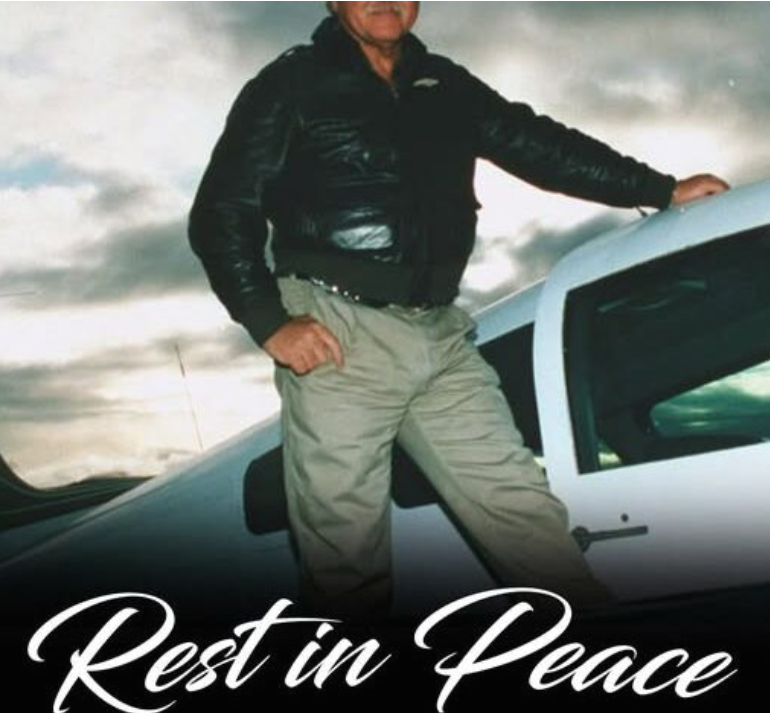
The passing of James Gordon “Bo” Gritz on February 27, 2026, marked the end of a remarkable and complex life that reflected many aspects of the American experience during the late twentieth century. Gritz, a highly decorated U.S. Army Special Forces officer, died peacefully at the age of 87 at his home in Sandy Valley, Nevada, according to his wife, Judy Gritz. His life combined extraordinary military service with a controversial public career, creating a legacy that continues to spark debate and reflection. To understand Gritz’s story is to examine the difficult period following the Vietnam War, when questions of patriotism, national identity, and political activism often intersected in powerful and sometimes divisive ways.
Bo Gritz was born on January 18, 1939, in Enid, Oklahoma. His upbringing was shaped by a strong military influence, particularly through his father’s service in the Army Air Forces during World War II. Inspired by that background, Gritz enlisted in the U.S. Army in 1957. His dedication and abilities quickly set him apart, and he eventually entered Officer Candidate School before joining the elite ranks of the Green Berets. During the Vietnam War, he commanded Detachment B-36 of the 5th Special Forces Group. His work often involved covert and high-risk operations behind enemy lines. Among the most notable missions associated with his unit was the recovery of a black box from a downed U-2 reconnaissance aircraft in Cambodia, an operation that became part of special forces history.
Military Service and Decorations
Gritz earned a reputation for exceptional courage and determination during combat operations. By the time he retired from the Army as a lieutenant colonel in 1979, his career had been recognized with numerous military honors. He received three Silver Stars for gallantry in combat, along with the Legion of Merit for outstanding service and leadership. His decorations also included the Distinguished Flying Cross, awarded for heroism during aerial missions. In addition, he received two Purple Hearts for wounds sustained in battle, as well as multiple Bronze Stars and Air Medals recognizing repeated acts of bravery and dedication throughout his service.
Cultural Influence and Public Image
Beyond the battlefield, Gritz became a well-known figure in American popular culture. Many observers have suggested that he served as one of the real-life inspirations for the fictional character John Rambo, portrayed by Sylvester Stallone. Like the cinematic character, Gritz represented the image of a highly skilled Vietnam veteran who struggled to adapt to civilian life after the war. For some Americans, he symbolized the strength and sacrifice of soldiers who felt misunderstood or overlooked after returning from Vietnam.
Advocacy for POW/MIA Soldiers
After retiring from the military, Gritz devoted much of his time to advocating for American prisoners of war and those missing in action from the Vietnam conflict. Convinced that some soldiers might still be held in Southeast Asia, he organized several private expeditions to search for evidence and bring attention to the issue. These missions were supported by some families who hoped for answers about their missing relatives. However, critics within the government and the military questioned the accuracy of his claims and the methods used in these searches. As a result, his efforts generated both support and controversy.
Role in Major Standoffs
Gritz also became involved in several high-profile domestic conflicts during the 1990s, using his reputation and communication skills to act as a mediator. During the Ruby Ridge standoff in Idaho in 1992, he played a role in helping negotiate the peaceful surrender of Randy Weaver after a tense confrontation with federal authorities. He later participated in efforts to resolve the Montana Freemen standoff in 1996, another conflict involving anti-government activists. In both cases, his status as a decorated veteran helped him build trust with individuals who were deeply suspicious of government officials.
Political Activity
In 1992, Gritz entered national politics by running for president as the candidate of the Populist Party. His campaign focused on criticism of centralized federal power and emphasized constitutional rights, individual liberty, and government accountability. Although he remained outside the political mainstream, his message attracted supporters who shared his concerns about federal authority and personal freedom. Through his radio program Freedom Call, he continued discussing political issues and national affairs for many years.
A Complex Legacy
Bo Gritz leaves behind a legacy that remains both influential and controversial. To many supporters, he was a courageous soldier who remained loyal to his fellow veterans and dedicated his life to causes he believed were just. To critics, his political views and independent missions sometimes placed him on the fringes of public life.
Regardless of perspective, his story reflects the complicated history of the Vietnam era and the lasting impact it had on those who served. Gritz lived a life shaped by intense dedication, strong beliefs, and a willingness to challenge authority when he felt it was necessary.
With his passing at age 87, Bo Gritz becomes part of the broader history of American military service and political activism. His life story—marked by heroism, controversy, and deep conviction—remains a powerful example of how one individual can embody the struggles and debates of an entire generation.