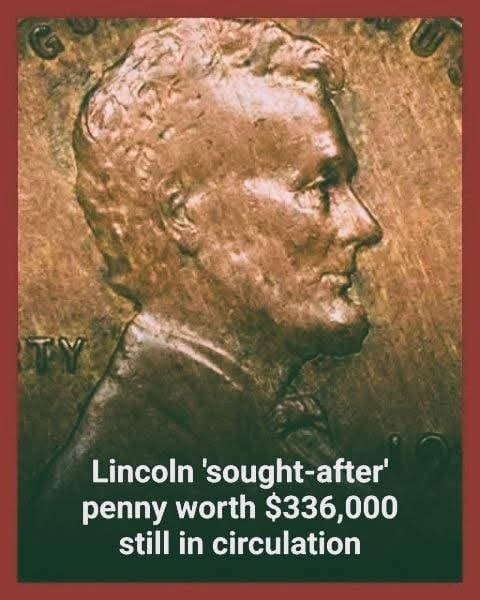
The 1943 Bronze Lincoln Cent stands today as one of the most famous and intriguing error coins in American history, and its story is inseparable from the era in which it was accidentally created. During World War II, the United States Mint made the unprecedented decision to conserve copper for the war effort, redirecting it from coinage production to the manufacturing of ammunition, shells, and other critical military materials. In place of the traditional copper alloy, pennies struck in 1943 were intended to be composed of zinc-coated steel. This strategic pivot marked a unique chapter in numismatics, reflecting the extraordinary circumstances of a nation at war. Yet, despite the meticulous planning, a very small number of bronze planchets from 1942 were mistakenly left in the Mint’s presses, producing what would later become some of the most coveted collector coins in existence. These coins, the rare 1943 bronze Lincoln cents, represented a manufacturing anomaly so significant that when they first began appearing in circulation in 1947, they immediately captured the imagination of the public and the numismatic community alike. Coin collectors and casual observers alike were captivated by the seeming impossibility of a wartime error that contradicted everything they knew about the 1943 penny.
News of the coin spread quickly, aided by newspapers and coin magazines, which featured dramatic images of the gleaming bronze pennies next to their more common steel counterparts. It was more than just a curiosity; the 1943 bronze cent became a tangible connection to the chaos and resourcefulness of the war years. Public fascination flourished almost overnight, and the coin established a reputation that has endured for decades. Unlike other numismatic oddities, which may be appreciated only in specialist circles, the 1943 bronze Lincoln cent tapped into a broader cultural consciousness. It was a physical manifestation of error, history, and rarity all at once—a reminder that even in an era of stringent controls and wartime austerity, human and mechanical mistakes could yield extraordinary results. Its story appealed not just to coin enthusiasts but to anyone intrigued by history, rarity, or the unexpected intersections of everyday life with extraordinary events.
For coin collectors, the bronze Lincoln cent is more than a mere historical footnote—it is a symbol of the unexpected thrill of discovery. To hold one is to hold a piece of tangible history, a relic of an industrial process gone slightly awry, frozen in time and forever immortalized in copper. The front of the coin bears the familiar and bold bust of Abraham Lincoln, a figure whose visage has graced American pennies since 1909. The details of Lincoln’s face, beard, and clothing are rendered with the same artistry as any standard cent, yet the bronze hue distinguishes it immediately from the dull gray steel pennies of the same year. Enthusiasts often remark on the almost magical quality of seeing Lincoln’s face rendered in a material so out of place for that year, a visual reminder of how a single oversight can resonate for generations. Historical wear and tear on surviving specimens only adds to their mystique, demonstrating that these coins were genuinely circulated and handled, bridging the gap between an error in production and everyday American life.
Beyond the physical characteristics of the coin, its cultural and economic significance has only grown over time. Rare examples of the 1943 bronze cent have commanded staggering sums at auction, often reaching hundreds of thousands of dollars, and in some cases, even more. Their value is a testament not only to scarcity but also to the story they carry—one of wartime innovation, industrial oversight, and enduring fascination. Each coin represents a conversation starter, a teaching tool for history educators, and a tangible connection for collectors to an era when the nation’s resources were stretched to the absolute limit. Numismatists delight in comparing the few verified bronze cents to the thousands of steel ones that circulated alongside them, analyzing minute differences in weight, color, and edge characteristics, all while tracing the coin’s journey from Mint press to the hands of ordinary Americans. These discussions keep the story alive, as each coin serves as a portal to the 1940s, evoking not only economic and military history but also personal stories of families, children, and everyday people handling money during an era of great global upheaval.
The 1943 bronze Lincoln cent is also a testament to the enduring appeal of error coins in general. Mistakes in manufacturing—whether from misaligned dies, incorrect planchets, or wrong metal compositions—have always held a special place in the hearts of collectors. They remind us that perfection is elusive, even in highly controlled environments, and that rarity often emerges where it is least expected. The coin embodies the delicate balance between human oversight and mechanical precision, a balance that, in this case, produced a treasure that continues to inspire excitement, speculation, and admiration decades after its creation. For museums and exhibitions, it has become a must-see artifact, not only for its numismatic rarity but also as a vivid storytelling device illustrating how wartime exigencies permeated every aspect of American life, from factories to the smallest coin in circulation.
Ultimately, the 1943 bronze Lincoln cent is more than just a rare coin; it is a cultural icon, a tangible intersection of history, economy, and human curiosity. Its journey from an accidental minting to one of the most discussed and valuable coins in the world highlights how even small objects can carry enormous significance. For coin collectors, historians, and casual observers alike, it offers a glimpse into a moment when the ordinary became extraordinary, when a simple penny told a story far larger than its metal content. It is a sight to behold, a symbol of ingenuity and error, and a permanent reminder of how history can appear in the most unexpected of places—a humble coin, struck in bronze by accident, yet destined to capture the imagination of generations. Every scratch, every patina, and every gleam on its surface is a testament to the journey it has undergone, linking the past with the present and ensuring that the story of the 1943 bronze Lincoln cent will never fade from the collective consciousness of collectors and history enthusiasts alike.