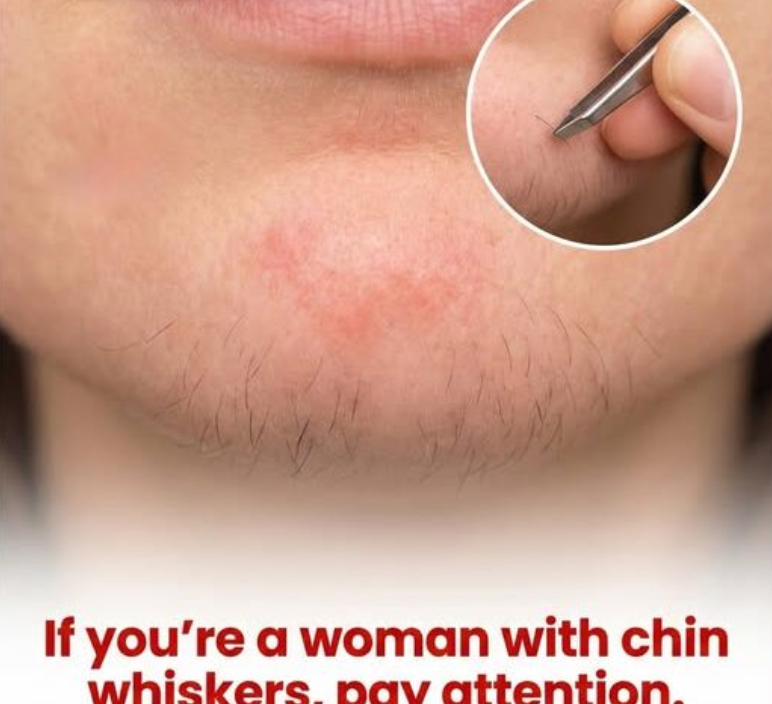
The discovery of a single coarse hair on the chin is a quiet moment of revelation that many women experience, though few discuss openly. At first, it can feel surprising or even unsettling, a subtle departure from one’s familiar reflection. In reality, however, facial hair growth is a common biological occurrence. It results from a complex interplay of genetics, age, and the natural rhythms of the endocrine system. For most women, these stray hairs are a cosmetic curiosity—an ordinary part of aging rather than a sign of medical concern. Understanding why this growth occurs can help shift the response from self-consciousness to informed confidence.
Hormones lie at the center of chin hair development. Everyone, regardless of gender, produces androgens, including testosterone. While often called “male” hormones, androgens play important roles in women as well. Hair follicles are highly sensitive to even small changes in these hormone levels. When the balance between estrogen and androgens shifts, soft vellus hairs—commonly known as “peach fuzz”—can turn into terminal hairs: thicker, darker, and more deeply rooted. These usually appear in androgen-sensitive areas such as the chin, jawline, and upper lip.
Such hormonal changes often accompany life transitions. Menopause is a common trigger; as estrogen declines, androgens exert greater influence, resulting in new hair patterns. Changes in hormonal birth control can have similar effects, as can thyroid dysfunction, which can alter hair growth patterns. When new facial hair appears alongside other bodily changes—like shifts in energy, skin clarity, or menstrual regularity—it may signal the need for a healthcare consultation to ensure that internal systems remain balanced.
Certain medical conditions can also contribute to more pronounced hair growth, known as hirsutism. Polycystic Ovary Syndrome (PCOS) is frequently mentioned in this context. PCOS involves endocrine disruptions that increase androgen levels, producing hair growth in typically male-pattern areas. Yet it’s important to maintain perspective: a few stray chin hairs are rarely indicative of PCOS, which usually presents as a cluster of symptoms including irregular cycles, persistent acne, and metabolic changes. Most chin hair is simply a localized trait, influenced by genetics or the natural passage of time.
In today’s era of growing focus on personal health and body autonomy, addressing these small physical changes reflects a broader commitment to “compassionate realism.” Just as the medical community advocates transparency in public health and vaccines, individuals seek clear, accurate information about their own bodies. The stigma around female facial hair is fading, replaced by recognition that the body is dynamic and ever-changing. Whether discussing the effects of global health interventions or the appearance of a single chin hair, the goal is the same: empowering knowledge.
Management of chin hair varies widely, from simple home remedies to professional interventions. Plucking, waxing, or threading is often sufficient for routine grooming. For those seeking a more permanent solution, laser hair removal or electrolysis target follicles directly, offering long-term reduction. The choice to remove or keep the hair is entirely personal. Modern health guidance prioritizes informed choice over aesthetic pressure, allowing women to act from comfort rather than shame.
This approach to self-awareness parallels the broader climate of 2026, amid global uncertainty and geopolitical tension. Just as people seek clarity about international conflicts or public health, understanding the body’s natural changes fosters calm and informed responses. A new chin hair ceases to be a source of panic and becomes a simple acknowledgment of the body’s ongoing evolution. Awareness and perspective replace anxiety with control.
Ultimately, chin hair is a testament to the body’s resilience and constant state of flux. It is a minor note in the broader narrative of a woman’s life. Observing these changes thoughtfully allows women to navigate aging with confidence. A single hair, while initially striking, is typically just a normal, if uninvited, participant in the journey of health.
As society moves toward greater transparency—whether in global governance or personal health—conversations about women’s bodies continue to mature. The collective sharing of knowledge ensures that future generations will approach common physical traits with understanding rather than fear. A hair on the chin becomes not a mystery or crisis, but a small, manageable aspect of human experience. With perspective and proper care, what once felt significant is simply another routine detail to handle with grace.