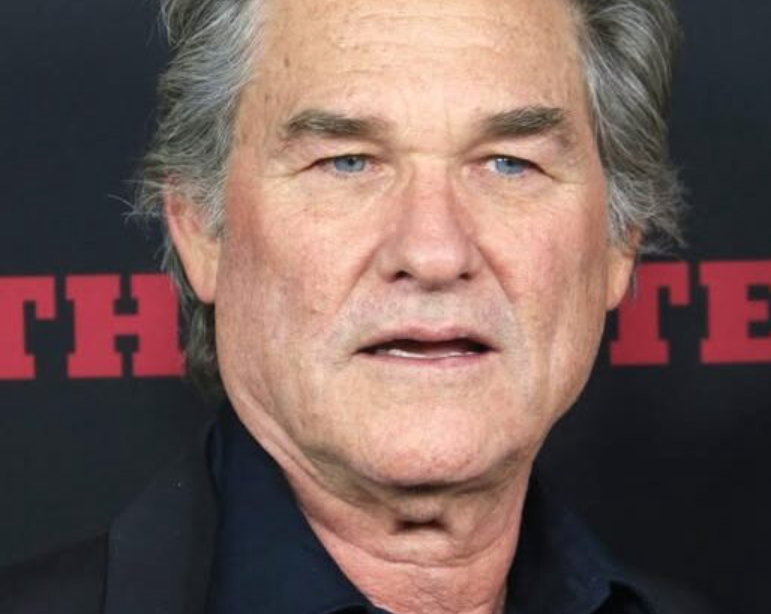
Kurt Russell’s path through Hollywood is often described as a lesson in longevity and effortless “cool.” Yet behind his rugged on-screen image lies a story shaped by personal loss, early pressure, and the quiet challenge of living up to expectations. His career may look like a steady climb from child star to action legend, but it has also included moments of deep sadness that influenced the man behind the roles.
Much of this story begins with his father, Bing Russell—a strong presence in his life and the owner of the Portland Mavericks baseball team. Growing up as a child actor in the 1960s, especially under contract with Walt Disney, gave Kurt rare opportunities but also heavy responsibilities. While other kids lived normal childhoods, he worked in a demanding industry that expected professionalism beyond his years. He was constantly aware of his father’s reputation, trying to create his own identity while honoring the Russell name. That balance was not always easy.
The most painful turning point came in 2003 when Bing Russell passed away. For Kurt, his father was more than a parent—he was a mentor, guide, and biggest supporter. Bing taught him that authenticity was an actor’s greatest strength, a principle Kurt carried into every performance, from Snake Plissken to Wyatt Earp. Losing him left a deep emptiness. Kurt has described the grief not as something to overcome, but something to live with. The silence where his father’s advice once stood changed him profoundly, marking his transition from “Bing’s son” to the head of his own family.
At the same time, there was a quieter professional disappointment that followed him for years. Despite powerful performances, Hollywood’s major award circles often overlooked him. His role as MacReady in The Thing, directed by John Carpenter, is now considered iconic, though it received little recognition when first released. In Silkwood, acting alongside Meryl Streep, he showed emotional depth that many believed deserved greater praise. Still, he often found himself respected by audiences more than formally honored by institutions. Instead of allowing that to embitter him, he focused on the craft itself.
Stability came in 1983 during the filming of Swing Shift, when he reconnected with Goldie Hawn. Their relationship grew into one of Hollywood’s most lasting partnerships. Built on humor, respect, and independence, their bond became his safe haven. Together they created a blended family that grounded him. Kurt consistently chose family life over chasing every leading role, protecting himself from the pressures that often overwhelm long-term celebrities.
Today, Kurt Russell is seen not just as a star, but as someone who endured the highs and lows of fame with integrity. His life reflects resilience—the ability to face grief, professional setbacks, and early isolation without losing authenticity. Rather than being defined by disappointment, he allowed those experiences to deepen his performances and strengthen his character.
In the end, his story is not about tragedy but endurance. He managed to honor his father’s legacy while building his own. The sorrow he experienced did not weaken him; it refined him. Kurt Russell remains a symbol of quiet strength—a reminder that beyond the spotlight, the most meaningful roles are those of son, partner, father, and craftsman. His journey shows that while heartbreak is unavoidable, it is love, dedication, and honesty that truly shape a legacy.