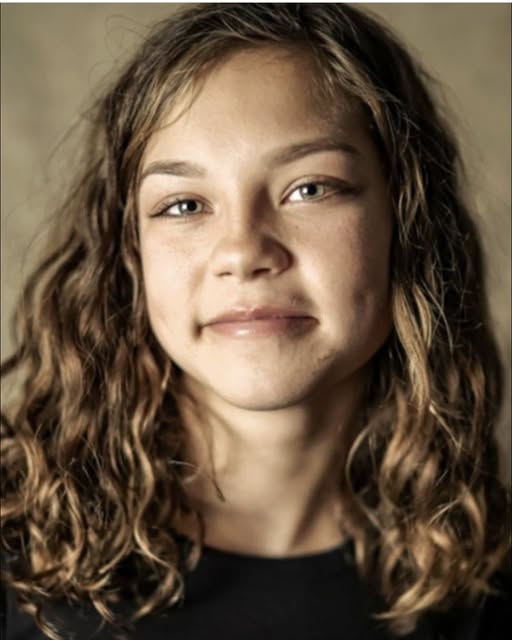
The note was devastating in its simplicity and its weight. A 12-year-old girl, full of life, gone by her own hand, leaving behind words that feel both like a farewell and a warning—a warning the world cannot afford to ignore. Her family is left in pieces, their grief raw and uncontainable. Her community reels, stunned and searching for answers. And yet, the words she left behind echo like a siren, piercing through the routine of daily life, demanding attention. On the outside, she looked happy. She was loved, cherished by those around her. She was planning for her future, seemingly normal in a way that hid the depths of her pain. And yet, beneath it all, an invisible storm had been gathering—one that no one could entirely see until it was too late.
Lindsey Mae Swan’s story is almost unbearable to read because it feels achingly familiar. She was a bright, involved, loving child, surrounded by friends, family, and activities that should have filled her days with joy. And yet, quietly, she was drowning beneath the surface. The grief of losing her father had left a wound that classmates cruelly weaponized, and the silence of those around her compounded her isolation. Teachers, peers, and even adults who might have noticed often missed the signs, or dismissed them too lightly. Her final journal entry, a plea to others to “please talk to someone,” serves as both a heartbreaking goodbye and a command—a desperate urging to the rest of us to act before it is too late.
Her family, in the face of unimaginable loss, is choosing to live inside that command. By sharing their deepest wound with the world, they are asking parents to listen more carefully, teachers to look more closely, and children to speak up when something feels wrong or unbearable. Lindsey’s message does not end with her death; it persists in every small act of care and attention, in every time someone reaches out, checks in, believes a child’s pain, or dials 988 instead of staying silent. Her life, brief as it was, carries a responsibility that is enormous yet still within the power of each of us to honor. It is a responsibility to see, to listen, and to act—not just for Lindsey, but for countless children who may be struggling in silence, hiding their storms behind smiles and appearances, waiting for someone to notice before it’s too late.