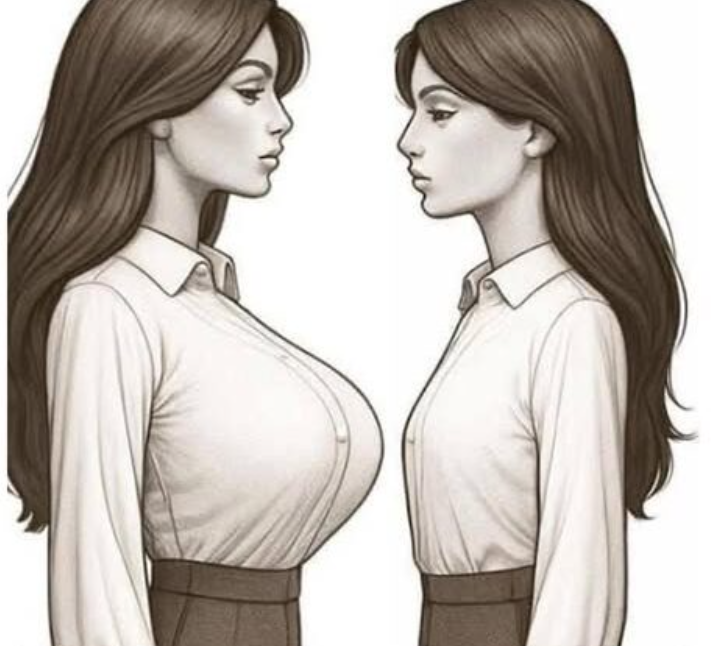
The conversation about the connection between breast size and hormonal health has long been shaped by myths, cultural misconceptions, and social pressure. For women entering their 60s and beyond, these concerns can feel more significant as the body naturally changes. Many begin to wonder whether shifts in breast shape or size reflect their internal hormonal balance or signal deeper health problems. However, modern understanding shows that breast health is far more complex — and far more empowering — than outdated stereotypes suggest. Recognizing the relationship between aging, lifestyle, and hormonal balance is key to approaching this stage of life with confidence rather than fear.
Breast tissue is dynamic and responds to a wide range of internal and external influences throughout a woman’s life. As women move through midlife and into their senior years, age becomes a defining factor. Natural declines in estrogen and progesterone affect tissue density and firmness. Since breasts are primarily composed of fatty tissue, weight changes can directly impact size. Beyond physical factors, nutrition, exercise, and stress levels significantly influence how the body regulates hormones. Medical consensus is clear: breast size is not a reliable indicator of overall health. A woman’s well-being is not measured by cup size, and women with smaller breasts are no less healthy than those with larger ones.
Challenging Common Myths
Achieving peace of mind requires confronting the misconceptions that have shaped how women perceive their bodies.
The Myth of Poor Hormonal Health: There is a false belief that smaller breasts indicate low hormonal vitality. In reality, hormonal balance depends on quality sleep, stress management, and proper nutrition — not body measurements.
The Myth of Automatic Risk: Some research suggests that very large breast size, particularly when combined with significant excess weight, may be associated with a higher risk of cardiovascular disease or diabetes. However, this is not a universal rule. Maintaining a healthy weight and staying physically active are far more accurate predictors of long-term health than physical proportions.
The Myth of Defined Femininity: One of the most harmful misconceptions is tying femininity to body measurements. True femininity is reflected in vitality, emotional resilience, and self-care — not physical dimensions.
Supporting Hormonal Balance After 60
At this stage of life, attention should shift from outward appearance to internal balance. Hormonal changes can affect mood, energy, and overall well-being, but there are proven ways to support the body during this transition.
Balanced Nutrition
A varied diet rich in leafy greens, colorful fruits, whole grains, and lean proteins forms the foundation of hormonal regulation. Foods high in Omega-3 fatty acids — such as salmon, flaxseed, and walnuts — help stabilize hormones and reduce inflammation.
The Importance of Movement
Physical activity supports hormone regulation and helps maintain bone density. Low-impact exercises like yoga, swimming, walking, and light strength training are especially beneficial. These activities enhance not only breast health but also cardiovascular function and mood.
Managing Stress
Chronic stress disrupts hormonal balance and often appears as sleep disturbances, fatigue, or weight fluctuations. Practices such as deep breathing, meditation, or tai chi can restore calm and protect the body’s internal systems.
Natural Support Options
With guidance from a healthcare professional, certain natural supplements have traditionally supported women’s wellness. Black cohosh, evening primrose oil, and vitex are often used to ease age-related hormonal fluctuations. Herbal additions like sage tea, anti-inflammatory ginger tea, or maca root for energy can complement a healthy lifestyle.
Embracing the Natural Rhythm of Aging
Changes in breast shape and size are inevitable as skin elasticity and muscle tone evolve over time. For women over 60, these changes should be viewed as part of life’s natural progression, not signs of decline. True health is built on nourishing food, meaningful connection, and consistent movement. Letting go of anxiety about body measurements allows women to focus on nurturing both body and spirit.
Ultimately, your health journey is about living fully and feeling empowered at every stage. While the internet may offer countless “life hacks” and entertaining videos, the foundation of a good life remains the same: kindness toward your body and a commitment to self-care. By prioritizing hormonal health through mindful choices, you can age with strength, grace, and lasting confidence.