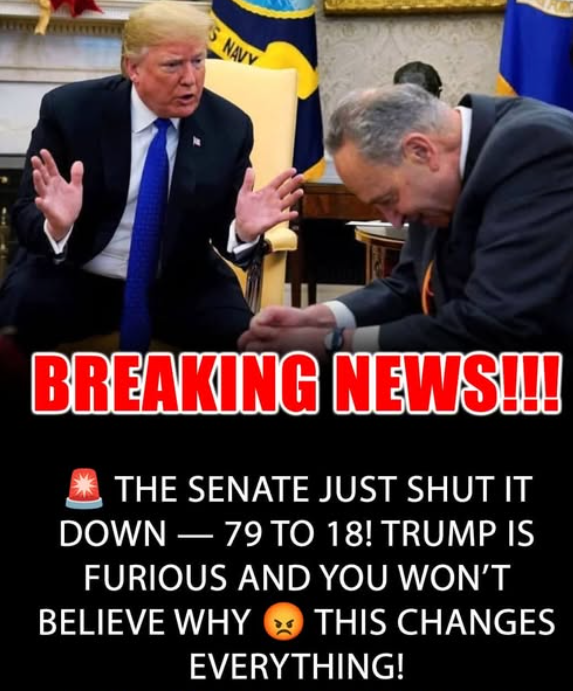
The chamber knew exactly what it was doing. The outcome was never truly in doubt. In a decisive and lopsided vote, the U.S. Senate rejected Bernie Sanders’ attempt to block a $20 billion weapons deal to Israel, effectively clearing the path for the transfer of bombs, tank ammunition, and advanced military equipment—even as images of devastation in Gaza continued to circulate across the globe. Outside the Capitol, the war was measured in collapsed buildings, grieving families, and a rising civilian death toll. Inside the chamber, it was reduced to procedure, precedent, and political calculation.
The clash was stark. On one side stood arguments rooted in American law, international humanitarian standards, and mounting moral concern. On the other stood long-standing strategic alliances, security commitments, and the weight of decades of bipartisan consensus. For critics of the deal, the moment felt like a collision between principle and power. For supporters, it was a reaffirmation of America’s historic partnership with Israel in a volatile region. In the end, loyalty to that alliance—and perhaps fear of the political consequences of breaking from it—spoke louder than the bodies counted in headlines.
Sanders’ resolutions were never widely expected to pass. Even many of his allies acknowledged the uphill battle. But the scale of the defeat revealed something deeper than simple legislative math. It exposed how firmly entrenched bipartisan support for Israel remains in Washington, even amid unprecedented global scrutiny and outrage. The vote margin signaled that, despite growing protests and shifting public opinion in some quarters, the institutional center of American politics has not yet moved in tandem.
Only a relatively small bloc of progressive lawmakers backed Sanders’ effort. They argued that Congress had both a legal and moral obligation to examine whether U.S.-supplied weapons could be contributing to violations of American statutes and international humanitarian law. They cited existing laws designed to prevent U.S. complicity in human rights abuses abroad, insisting that oversight was not radical but required. To them, conditioning or pausing arms transfers was not abandonment—it was accountability.
Yet those warnings were largely brushed aside in the broader vote. Many senators framed their support for the deal as essential to Israel’s right to defend itself, particularly in the aftermath of attacks that had shaken the region. Others emphasized deterrence, regional stability, and the strategic consequences of weakening a key ally. The prevailing view in the chamber was that maintaining military support signaled strength and reliability in the face of escalating threats.
What survived the vote was not the legislation, but the fracture it illuminated. The debate sharpened a generational and ideological divide that has been widening for years. A rising movement—particularly among younger voters and progressive lawmakers—is demanding conditions on military aid, greater transparency, and a reassessment of what has often been described as “blank-check” support. They see American leverage as a tool that should be used to press for civilian protection and long-term political solutions.
Facing them is an establishment anchored in decades-old security doctrines and diplomatic frameworks forged during earlier eras of Middle Eastern conflict. For many senior lawmakers, the U.S.-Israel relationship is not merely transactional; it is foundational, tied to shared democratic values, strategic coordination, and longstanding defense cooperation. To depart from that model, they argue, would introduce uncertainty into an already volatile region.
The arms will almost certainly flow. Contracts will be executed, shipments scheduled, and military cooperation will continue as it has for years. But the larger question raised by the vote lingers beyond the chamber walls. It is a question about identity as much as policy: What responsibilities accompany American power? When does alliance become complicity in the eyes of critics? And how should a democracy balance strategic interests with human rights concerns when the two appear to collide?
The Senate’s decision resolved the immediate legislative challenge. It did not resolve the broader moral and political debate. That conversation—about law, leverage, loyalty, and accountability—will not be so easily buried.