Understanding the Clear Jelly in Your Can of Spam
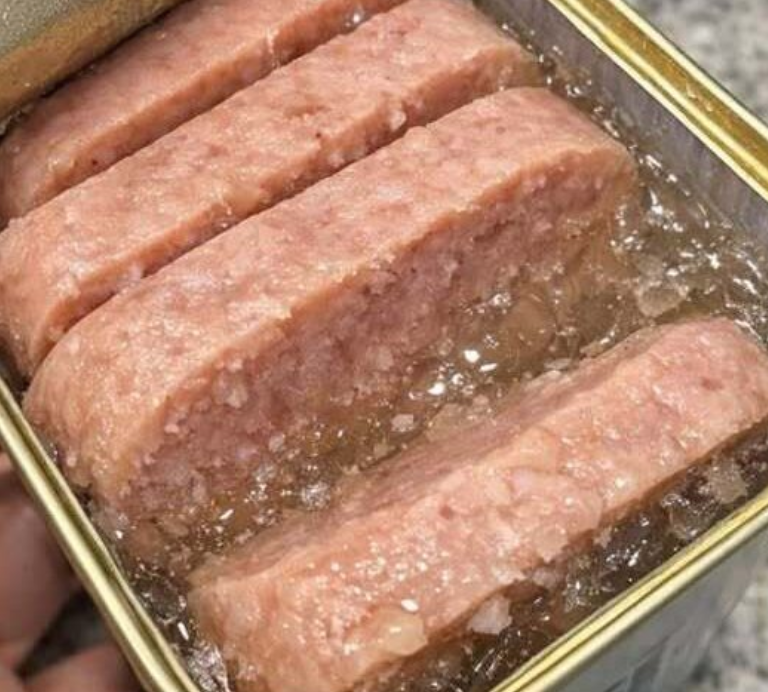
Opening a pantry staple and discovering a mysterious, translucent layer can immediately make you question your lunch plans. In today’s culinary world, where we pay more attention than ever to the quality of our food, seeing a clear jelly on a freshly opened can of Spam might seem alarming. But the truth is both scientific and harmless. This jelly is a natural byproduct of the preservation process—a result of protein chemistry that keeps the meat moist and shelf-stable.
Knowing why this jelly forms—and how to check that your food is safe—is important for confidence in your kitchen. Despite online rumors, this jelly is simply aspic, a natural gelatin created when meat is cooked under the high pressure of canning.
How Spam Jelly Forms
When Spam is processed, the meat is placed in cans, sealed, and cooked at high temperatures to eliminate harmful bacteria. During this process, the natural collagen in the pork and ham breaks down and turns into gelatin. This gelatin settles in the spaces around the meat, and as the can cools, it solidifies into a clear or amber-colored layer.
This jelly is not useless—it is a sign that the traditional canning process has been done correctly. Professional chefs even use the same gelatin when making terrines and pâtés. When cooked, the jelly melts back into the meat, adding moisture and enhancing flavor.
The 3-Point Safety Check
Even though the jelly is harmless, it’s important to know when a can may have gone bad. Age, storage, or damage can occasionally cause spoilage. Use this 3-step check every time you open a can:
Check the Can Exterior
Safe: Smooth sides, level ends, firm structure.
Danger: Bulging ends, deep dents, rust, or leaks may indicate bacterial growth. If you hear a hiss or see foam upon opening, discard the can.
Inspect the Meat and Jelly
Safe: Jelly is clear or pale amber, meat is pink and solid.
Danger: Cloudy, dark, or slimy jelly, or gray, green, or brown meat indicates spoilage.
Smell Test
Safe: Mild, salty, meaty aroma.
Danger: Sour, rancid, or sharp smells mean the food is unsafe. Never taste spoiled meat.
Cooking the Jelly
If the jelly texture feels unusual, cooking solves it:
Frying or Baking: Heat melts the gelatin, adding moisture and flavor to the meat.
Low-Fat Varieties: These may have less jelly due to lower collagen, but some moisture is still normal.
Conclusion
The clear jelly in Spam is not a sign of spoilage—it’s proof of traditional food preservation. When the meat looks pink, the can is intact, and the smell is normal, the product is safe and ready to eat. Understanding this helps maintain confidence in your kitchen and reminds us that sometimes what looks strange is actually a sign of careful preparation and quality.