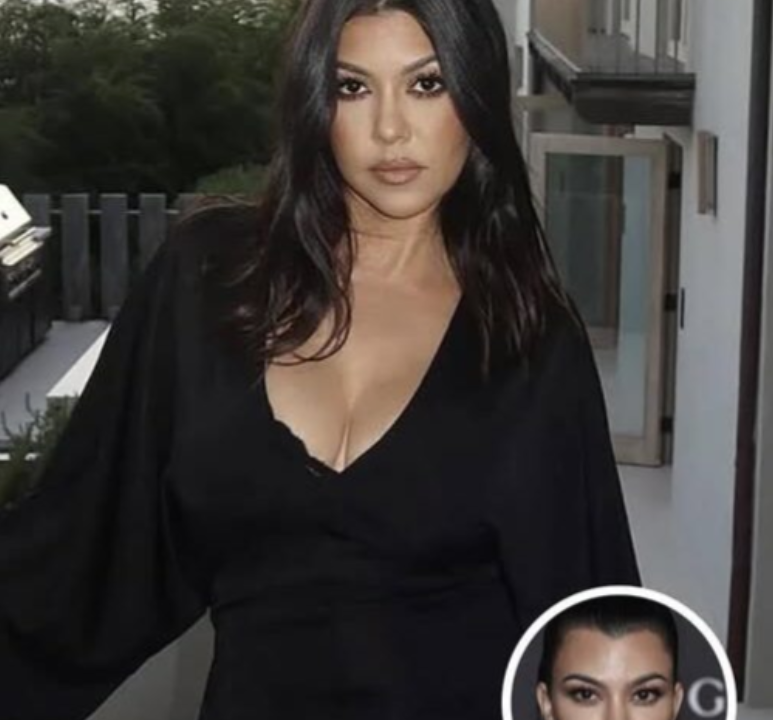
The influence of celebrity culture continues to profoundly shape contemporary conversations about wellness, relationships, and personal identity, permeating everything from mainstream media to social media communities. Over the past decade, lifestyle platforms affiliated with high-profile figures have evolved into powerful arenas where new ideas about health, self-perception, and personal expression are widely disseminated. These platforms not only entertain but also inform the public, subtly guiding perceptions of what constitutes self-care, confidence, and emotional well-being. In recent months, one concept that has resurfaced with notable visibility in 2026 is “autosexuality,” a term that has been circulating within discussions on lifestyle websites, social media platforms, and celebrity-driven content, particularly in circles connected to the Kardashian-Barker family. Although autosexuality has existed in academic and pop-cultural lexicons for several years, renewed public interest has catalyzed deeper curiosity about its meaning, implications, and relevance within broader societal conversations about intimacy, confidence, and self-regard.
Autosexuality, at its core, generally refers to the phenomenon in which a person experiences attraction toward themselves or derives pleasure and arousal through their own image, presence, or sense of identity. It is important to note that this concept does not inherently replace attraction to other individuals. Rather, it exists on a complementary spectrum alongside traditional romantic or sexual relationships, highlighting a nuanced facet of self-appreciation. Psychological research and expert commentary increasingly frame autosexuality as part of a broader continuum of human sexual expression, acknowledging that people experience desire and intimacy in diverse ways. Far from being synonymous with vanity or narcissism, proponents of the concept argue that autosexuality underscores the importance of self-confidence, emotional self-sufficiency, and body acceptance, all of which can have tangible impacts on an individual’s emotional, relational, and sexual health.
The cultural resonance of autosexuality in 2026 can be partially attributed to the amplified influence of celebrity lifestyle brands and social media presences, which frequently intersect with discussions about personal growth, mental health, and body positivity. By spotlighting topics such as self-attraction, individual empowerment, and the celebration of one’s own physical and emotional identity, these platforms encourage audiences to critically reflect on the ways they relate to themselves. Therapists specializing in identity, intimacy, and relationship dynamics observe that many individuals already engage in autosexual behaviors or experiences without consciously labeling them. For example, a person may feel a sense of satisfaction or pride when admiring their reflection, enjoying a carefully curated outfit, or simply expressing themselves through style, movement, or personal grooming. In this way, autosexuality can be understood less as a rigid identity and more as an acknowledgment of the ways people cultivate a positive, affirming relationship with their own bodies and presence.
Practically speaking, discussions of autosexuality often intersect with contemporary approaches to self-care, which prioritize holistic routines that nourish both physical and emotional well-being. Simple yet intentional acts—such as engaging in mindful self-reflection, maintaining a personal grooming or skincare regimen, exercising, practicing meditation, or wearing clothing that elicits confidence—can all serve as expressions of self-appreciation and internal validation. Advocates suggest that fostering this type of inward focus strengthens resilience, emotional balance, and self-esteem. When individuals develop a secure and affirming relationship with themselves, they are often better equipped to navigate interpersonal dynamics with others, reducing dependency on external validation and fostering healthier, more grounded connections. This underscores the dual benefit of autosexuality as both a personal and relational tool: it can enhance self-understanding while indirectly improving the quality of one’s interactions with others.
At the same time, the discourse surrounding autosexuality has sparked debate and critique. Some cultural commentators and social media users argue that framing self-attraction as a distinct identity may risk conflating healthy self-esteem with excessive self-focus or narcissistic tendencies. Critics caution that an overemphasis on self-centered pleasure or admiration could overshadow communal or relational empathy, creating a tension between individualistic self-care and social connectedness. Conversely, supporters maintain that these conversations serve as a vital corrective to decades of societal pressure that encouraged individuals—particularly women and marginalized communities—to scrutinize, criticize, and diminish their own bodies and desires. In a digital era dominated by images, curated feeds, filters, and constant comparison, the conversation about autosexuality resonates with audiences seeking tools to reclaim personal agency, celebrate bodily autonomy, and establish a healthier internal dialogue with themselves.
Celebrities play a particularly influential role in catalyzing these discussions because their personal choices, habits, and statements are scrutinized publicly on an almost continuous basis. When high-profile figures openly explore topics related to self-perception, sexuality, and wellness, millions of followers encounter these ideas simultaneously, often transforming niche or academic concepts into mainstream conversation almost overnight. The visibility of these messages magnifies their cultural impact, creating widespread discourse in which everyday individuals are prompted to reflect on their own experiences of desire, confidence, and identity. Whether one agrees or disagrees with the framing, the resulting discussions reveal larger societal shifts in the way self-confidence, personal boundaries, and emotional well-being are understood, particularly as these concepts intersect with sexuality and intimacy in the modern world.
Furthermore, renewed interest in autosexuality is part of a broader cultural movement emphasizing self-awareness, emotional literacy, and holistic wellness. Conversations about self-love and self-attraction dovetail with other contemporary wellness trends, including mindfulness, mental health advocacy, and body positivity campaigns. Experts highlight that individuals who cultivate a conscious relationship with their own sense of self are often better able to navigate stress, relationship challenges, and societal pressures, as they possess an internal foundation of stability and confidence. This internal foundation can manifest in many ways: through healthier sexual expression, more assertive communication, and a stronger sense of personal agency, all of which contribute to a more balanced, empowered approach to living.
Ultimately, the resurgence of attention toward autosexuality reflects a wider societal curiosity about the ways individuals experience desire, identity, and self-connection. In an era where wellness, mental health, and emotional intelligence are increasingly prioritized, exploring the intersection of self-attraction and self-acceptance offers valuable insight into the dynamics of modern identity. While opinions vary widely, the central tenet remains clear: cultivating a conscious, appreciative relationship with oneself is not only a personal act of empowerment but a cornerstone of broader emotional and relational health. As public discourse continues to evolve, autosexuality will likely maintain its place within ongoing conversations about confidence, intimacy, and the ways individuals define self-respect and attraction in a rapidly changing social landscape. By engaging with the concept thoughtfully, people may develop a richer understanding of themselves, ultimately fostering both personal satisfaction and more meaningful connections with others.