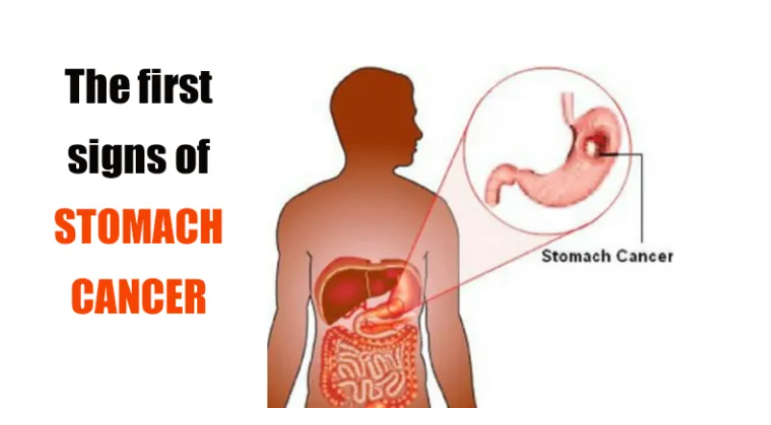
Stomach cancer is a silent predator. It does not announce itself with fanfare or obvious alarm bells, but rather with a subtle whisper—a quiet signal often mistaken for ordinary digestive complaints or the everyday grumbles of a tired gut. By the time these warning signs become persistent enough to demand attention, the disease has frequently progressed to an advanced stage, turning treatment into a grueling uphill battle. In 2026, as medical science advances and awareness campaigns grow, understanding the stealthy nature of gastric cancer and taking proactive lifestyle measures to minimize risk is more important than ever.
Understanding Gastric Cancer
Gastric cancer, or stomach cancer, occurs when the cellular blueprint of the stomach lining becomes corrupted. Normal cells begin to grow uncontrollably, eventually forming tumors that can penetrate deeply into the stomach wall and spread to adjacent organs or lymph nodes. The most common subtype, adenocarcinoma, originates in the glandular cells of the stomach. Its danger lies in its invisibility: it often progresses silently over years without producing acute symptoms, making early detection rare. Many patients only realize something is seriously wrong when the disease has already reached a perilous stage.
The Subtle Language of Symptoms
One of the most treacherous aspects of stomach cancer is that its early signs are easily dismissed. Initial symptoms—mild abdominal discomfort, bloating, or occasional nausea—can easily be mistaken for a benign ulcer, simple indigestion, or a sensitivity to certain foods. Yet, it is critical to distinguish between ordinary digestive issues and early warning signs of something far more serious.
Blood in the stool is one such red flag, but it rarely appears as the bright red many expect. More commonly, it presents as dark, tarry stools, a sign that blood has partially digested while moving through the gastrointestinal tract. Fatigue is another key indicator. Cancer is a biological thief, quietly draining the body of metabolic resources. Even after a full night’s sleep, a patient may feel hollowed out, fatigued, or unusually weak—a consequence of anemia caused by slow internal bleeding.
Changes in bowel habits, including sudden swings between constipation and diarrhea, can suggest obstruction or irritation in the stomach or intestines. Nausea or vomiting that seems to coincide with meals—or occurs unpredictably—should never be ignored. Another particularly telling symptom is early satiety: the sensation of being full after only a few bites, as though the stomach has physically shrunk. When these signs are accompanied by persistent upper abdominal discomfort, it is a clear signal that medical consultation is urgent.
Lifestyle, Diet, and Environmental Factors
While genetics and family history establish the baseline risk for stomach cancer, lifestyle and environmental factors often dictate whether that risk materializes. In 2026, many diets remain heavily laden with risk-promoting elements. Processed foods, sugary snacks, and excessive red meat consumption create an environment of chronic inflammation, providing fertile ground for cellular mutations. Smoked, grilled, or charred meats are especially concerning due to their content of nitrates and heterocyclic amines—compounds that can irritate the stomach lining and act as carcinogens over time.
Conversely, a protective dietary pattern can significantly reduce risk. Foods rich in fiber and antioxidants—leafy greens, cruciferous vegetables like broccoli and cauliflower, citrus fruits, and berries—are not just nutrient-dense; they help repair cellular damage before it can evolve into malignancy.
Turmeric: Nature’s Anti-Inflammatory Ally
Among natural compounds, turmeric stands out for its potent medicinal properties. Its active ingredient, curcumin, is a powerful anti-inflammatory and antioxidant capable of slowing the growth of abnormal cells. However, curcumin is poorly absorbed by the human body. To enhance its bioavailability, it must be paired with certain compounds—most notably black pepper. Piperine, found in black pepper, slows the metabolic breakdown of curcumin in the liver, increasing absorption by up to 2,000%. Adding a healthy fat, such as extra virgin olive oil, further facilitates the compound’s passage through the intestinal wall.
For practical daily use, experts recommend combining a quarter teaspoon of turmeric with half a teaspoon of olive oil and a pinch of freshly ground black pepper. This mixture can be drizzled over vegetables or whisked into salad dressings. It is essential to avoid high heat, which can degrade curcumin and diminish its therapeutic effects.
A Holistic Approach to Prevention
Preventing gastric cancer requires a comprehensive approach. Smoking remains a major risk factor, as chemicals from tobacco directly irritate the stomach lining. Excessive alcohol consumption also contributes to chronic inflammation, creating fertile ground for abnormal cell growth. Regular physical activity is another essential component: exercise helps regulate insulin, reduce systemic inflammation, and maintain a metabolic environment less hospitable to tumor development.
Equally important is managing stress. Chronic stress elevates cortisol, which over time suppresses immune cells responsible for detecting and eliminating early-stage cancer. Maintaining mental well-being, through meditation, mindfulness, or therapeutic support, can bolster the body’s natural defenses.
The Power of Early Detection
Despite prevention efforts, early detection remains the single most effective tool for improving survival. Unexplained weight loss, persistent abdominal discomfort, and dark, tarry stools are all signals that warrant immediate professional evaluation. Modern diagnostic tools—endoscopy, advanced imaging, and biomarker tests—allow physicians to identify lesions while they are still treatable, long before the disease reaches a life-threatening stage.
Listening to the Body
Stomach cancer is silent, but not invisible to those who pay attention. Understanding the subtle language of the body, embracing anti-inflammatory and antioxidant-rich foods like turmeric, and maintaining an overall healthy lifestyle can shift the odds in our favor. Every choice—to eat mindfully, move regularly, and heed the body’s whispers—is a proactive step toward reducing risk and reclaiming control.
In 2026, knowledge is power. Recognizing symptoms early, adopting protective dietary habits, and combining them with holistic lifestyle practices can transform stomach cancer from a stealthy predator into a manageable challenge. Through awareness, vigilance, and intentional daily habits, the phrase “too late” can be replaced by hope, action, and resilience.