While the quest for health often centers around strict diet and exercise, one of the most transformative aspects of well-being unfolds during the stillness of night. Sleep is far more than just a passive state of rest; it is an active, vital period of physiological repair, where the body engages in complex restorative processes. Many people focus on the duration of their sleep, meticulously counting hours to reach the elusive eight-hour mark. However, health experts are increasingly emphasizing another crucial aspect: sleep architecture and, more specifically, sleep posture. The position in which we sleep can be the difference between waking with chronic inflammation or feeling revitalized and energized.
Among various sleep positions, sleeping on the left side has emerged as a highly recommended choice for promoting internal harmony. This preference is not arbitrary but stems from the body’s unique asymmetry. By aligning with the natural force of gravity, left-side sleeping optimizes the functions of our internal organs. Adjusting our posture does not just seek comfort—it provides essential structural support, ensuring our internal systems operate at their best.
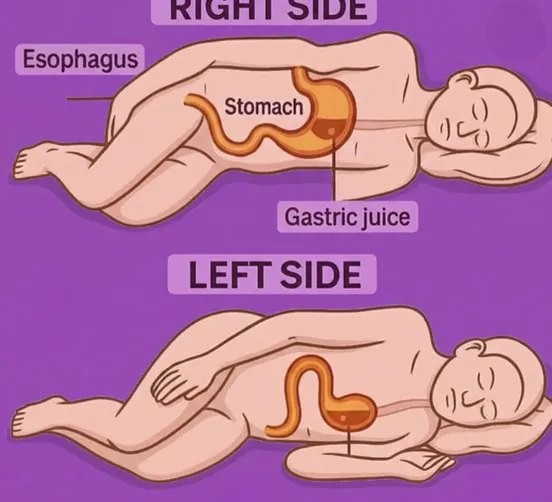
One immediate benefit of sleeping on the left side is its positive impact on the gastrointestinal system. The stomach naturally resides on the left side of the abdomen. When sleeping on the right side, the stomach is positioned above the esophagus, creating a slope that allows gastric acid to flow upward, often resulting in acid reflux or heartburn. By sleeping on the left, the stomach remains below the esophageal sphincter, preventing acid leakage. This simple shift can significantly alleviate symptoms of indigestion and improve overall digestion, reducing bloating and promoting the timely movement of waste from the small to large intestine.
In addition to digestive benefits, the left side supports the lymphatic system—the body’s waste management network. The left side is dominant for lymphatic drainage, as the thoracic duct runs up the left side and drains into the left subclavian vein. Sleeping on the left encourages the natural flow of lymph toward the heart, aiding in the removal of waste from the brain and body. This process is essential for neurological health and immune function, reducing the fogginess often felt after poor sleep.
Cardiovascular health also benefits from this sleep position. The heart, being the body’s engine, has an easier time pumping blood when it doesn’t have to fight gravity. The aorta arches to the left as it leaves the heart to distribute blood throughout the body. Sleeping on the left side helps the heart in this pumping action and prevents the compression of the inferior vena cava, the vein returning blood from the lower body. This promotes smoother circulation, stabilizes blood pressure, and helps the heart maintain a steady rhythm during the night.
This position is particularly important for pregnant women. In later stages of pregnancy, doctors recommend sleeping on the left side to optimize blood flow to the placenta, ensuring that both mother and baby receive adequate oxygen and nutrients. It also alleviates pressure on vital organs like the liver, promotes kidney function, and helps reduce swelling in the feet and ankles.
Even for those not facing specific medical conditions, the cumulative effect of small adjustments in posture can lead to better sleep quality. Our bodies are finely engineered machines that require alignment for optimal performance. Sleeping in positions that strain joints or compress organs often leads to waking up stiff or heavy—signs that the body has spent the night struggling to find space and comfort. By choosing the left side, we promote an environment of ease and relaxation for our body during rest.
Changing sleep positions can take time, as the body is naturally accustomed to old habits. However, supportive pillows such as body pillows or firm cushions between the knees can help maintain the left-side position and prevent rolling onto the back or stomach. These tools assist in keeping the spine neutral and the organs aligned.
In conclusion, while we cannot control every factor affecting our health, we do have full control over how we position ourselves when we sleep. Choosing to sleep on the left side is a simple yet powerful act of self-care, acknowledging that our bodies are constantly working to keep us healthy. By aligning ourselves with gravity and our own anatomy, we transform sleep into an active health intervention. The result is deeper rest, improved digestion, a more efficient circulatory system, and a heart that functions with ease—all leading to a morning where we feel fully prepared to take on the day.