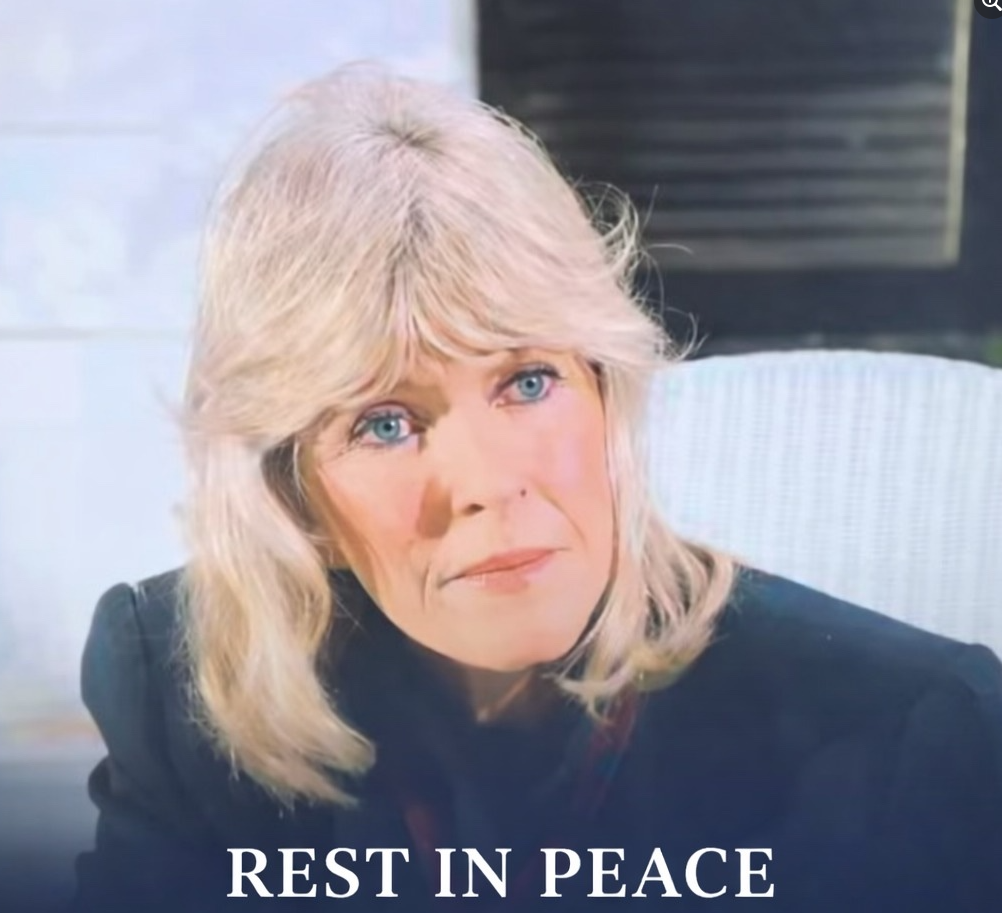
The golden age of American television has lost one of its most steadfast and versatile pillars. Alice Hirson, a veteran performer whose career served as a bridge between the classic era of theater and the modern age of the sitcom, has passed away at the age of 95. Her departure marks the close of a remarkable nine-decade journey, a life defined by artistic transformation, professional dedication, and a quiet dignity that earned her the respect of colleagues, audiences, and generations of television viewers alike. According to reports confirmed by the Motion Picture and Television Country House and Hospital in Los Angeles, Hirson died of natural causes, surrounded by the legacy of an industry she helped shape through nuanced portrayals of motherhood, authority, and wisdom.
Born on March 10, 1929, in the heart of Brooklyn, New York, Hirson came of age in a time when the stage was the ultimate proving ground for aspiring actors. Raised on Long Island, she possessed a natural gravitas and a sharp observational wit that propelled her into the prestigious theaters of Broadway. Her stage credits, including Traveller Without Luggage, The Investigation, and Solitaire/Double Solitaire, showcased a performer capable of navigating the weight of serious drama with the same elegance she brought to lighter, comedic works. This foundational training instilled in her a precision and discipline that would make her a sought-after talent on television, where her ability to create characters who felt like extended family made her unforgettable to audiences.
For many, Alice Hirson was the quintessential “television mother,” yet she transcended that archetype with every performance. In the sprawling, high-stakes world of Dallas, she appeared in 26 episodes as Mavis Anderson, a role requiring her to navigate the treacherous social and emotional terrain of the Ewing family. Through subtle expressions, a poised delivery, and an uncanny ability to anchor chaotic scenes, Hirson became a stabilizing presence amid the melodrama, earning the admiration of both viewers and her castmates.
To a younger generation, she was beloved as Claire Tanner on the iconic sitcom Full House. Though appearing in only two episodes as the Tanner family grandmother, Hirson left an indelible mark. She provided the necessary emotional tether to the past for the Tanner sisters, embodying warmth, history, and the familial continuity that defined the show’s multigenerational charm. Her ability to create lasting resonance in even brief appearances demonstrated a mastery of craft that few could rival.
Perhaps her most historically significant television role came on the ABC sitcom Ellen, where she portrayed Lois Morgan, the mother of Ellen DeGeneres’ title character. Between 1994 and 1998, Hirson navigated the delicate emotional terrain of a mother-daughter relationship during a time when television was shaping social consciousness. When Ellen’s character made the groundbreaking decision to come out in 1997, Hirson’s performance provided a vital human lens for audiences nationwide, grounding a cultural watershed moment in the believable reactions of love, confusion, and ultimate acceptance.
Hirson’s versatility extended far beyond sitcoms. She was a familiar and trusted presence on the guest-star circuit, appearing in acclaimed shows such as Murphy Brown, Just Shoot Me!, and The Secret Life of the American Teenager. Daytime television also benefited from her professional rigor; the demanding pace of soap operas required stamina and an unfailing focus, qualities she possessed in abundance. Her film career was similarly eclectic, with memorable roles in Private Benjamin, Revenge of the Nerds, and Being There. In each project, she acted as a character-actor chameleon, blending seamlessly into the tone of the work while elevating the performances of her co-stars.
Alice Hirson’s story is not just a list of credits; it is a narrative of endurance and adaptability in an industry that often rewards fleeting fame over sustained craft. To maintain relevance from post-war Broadway to the digital era required more than raw talent—it demanded a profound commitment to storytelling, an understanding of human emotion, and the ability to evolve with shifting mediums and audiences. Whether portraying a grandmother in San Francisco or a matriarch in Texas, Hirson brought an authenticity to her roles that made her characters enduring and relatable.
Her passing at 95 underscores a generational shift in Hollywood. Hirson belonged to a cohort of actors who treated their craft as a profession grounded in preparation, collaboration, and discipline. She did not seek celebrity attention; instead, she let her work speak for itself, a philosophy that earned her decades of steady employment. Directors and producers knew that hiring Alice Hirson meant bringing on a consummate professional, capable of delivering nuanced performances under any conditions.
In mourning her loss, the industry remembers the quiet strength she radiated. In a world that often celebrates volume and spectacle, Hirson’s career was a testament to the power of subtlety and restraint. Her legacy survives not just in reruns that continue to comfort families, but in the scripts, performances, and behind-the-scenes mentorship she left behind. She witnessed the evolution of television, helped break social barriers on screen, and carried herself with the grace and poise of a true Brooklyn-born artist.
Alice Hirson’s life was a symphony of performance, one that spanned the stage and screen with unwavering dedication. From the footlights of Broadway to the soundstages of Los Angeles, she played her part with consistency, intelligence, and heart. As she joins the pantheon of television legends, she leaves behind a body of work as diverse as it is enduring. She was a mother, grandmother, confidante, and pioneer—her absence will be deeply felt by all who value the art of performance and the quiet strength of a true professional.