For most of my marriage, I lived under the illusion that silence was the price of stability. At thirty-seven, I finally saw how tiny my existence had become. My husband, Mark, treated our home as his kingdom, with me cast as a specialized appliance. He cloaked his control in the word “traditional,” but it was less about honor and more about absolute domination. In his worldview, a wife’s territory ended at the kitchen doorway; decision-making was forbidden, independence irrelevant.
For years, I swallowed his insults, convincing myself that maintaining peace protected our three children. It was a lie—one I clung to until our eldest, Ethan, forced me to face the truth.
The first crack appeared when Ethan was accepted into college. The pride I felt was immediately clouded by the reality that we couldn’t afford it—at least, not under Mark’s “provider” narrative. To bridge the gap, I took a late-shift job at a medical billing office. Exhausting, grueling work left my feet aching, my eyes burning—but it gave me agency I hadn’t felt in decades. Mark, predictably, saw this as betrayal, accusing me of abandoning my duties. In his mind, a “real” mother’s worth was measured by the meals she prepared, not the bills she paid.
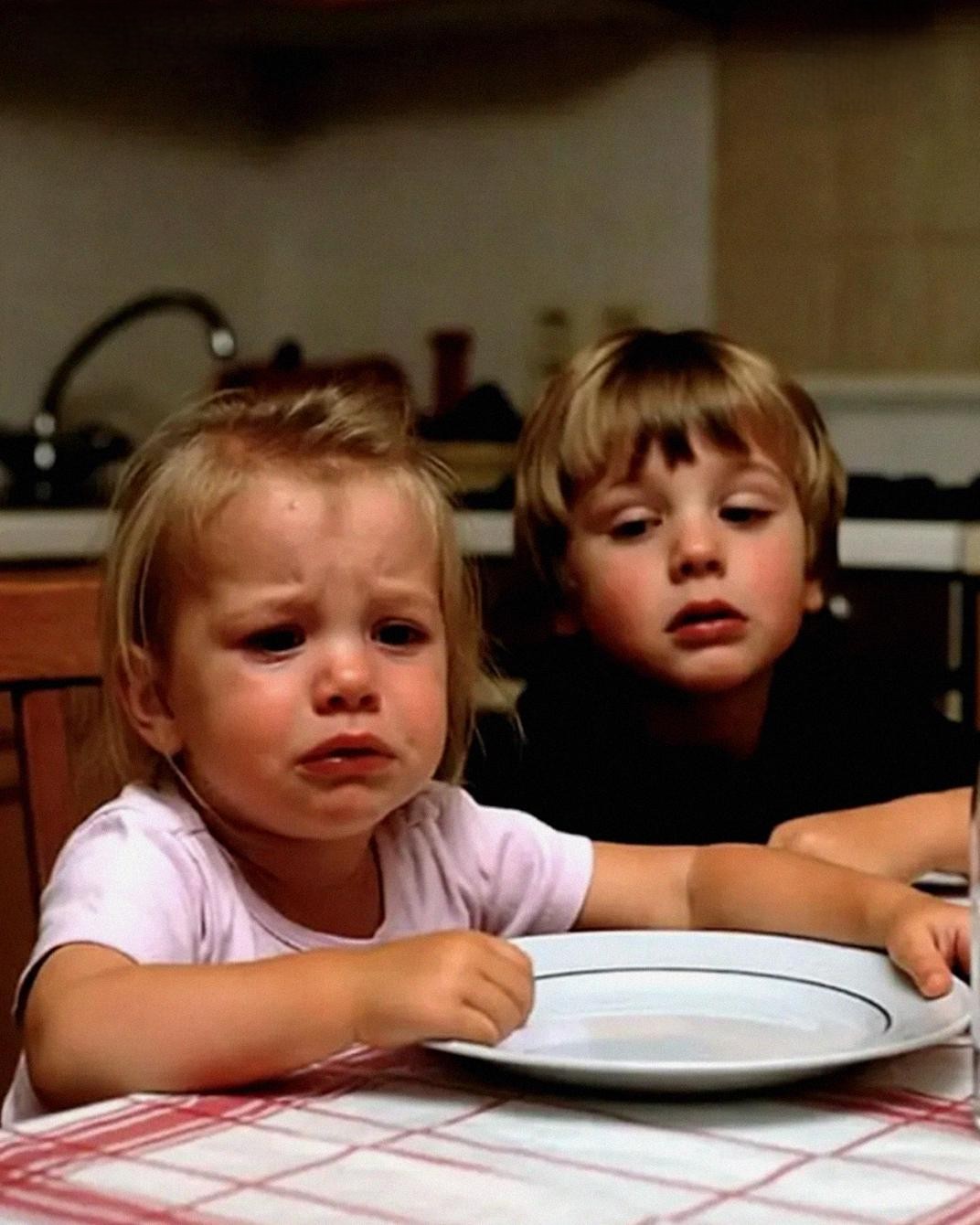
The breaking point arrived on a Tuesday at 6:00 p.m. My twelve-year-old daughter, Lily, called in a whisper: “Mom, we’re hungry.”
My stomach sank. Mark was in the living room, feet up, watching TV. When I called him, his response was icy: “It’s not my job. The kitchen is a woman’s place. If the kids are hungry, that’s your failure.” He refused even to order a pizza.
I rushed home, heart hammering, expecting to find my children in tears and Mark smug in triumph. Instead, the scene that greeted me changed everything.
Ethan stood in the living room, carrying heavy bags of takeout. The aroma of hot food filled the air—a fragrant act of rebellion. He handed the food to his younger siblings, his gaze steady on his father, and said two words that echoed: “Then starve.”
Mark’s face turned crimson. He tried to laugh it off but faltered when he saw Ethan’s unwavering stance. He accused him of stealing money, of being “corrupted” by my influence. That’s when Ethan revealed his secret: he’d been working nights and weekends, watching bills pile up, witnessing my exhaustion. He would no longer be a passive participant in a household where food was wielded as psychological warfare.
“A man doesn’t flip burgers when his father handles the finances!” Mark bellowed.
“Handles what, exactly?” I interjected. The silence was heavy. I turned to Mark and said firmly: I was done. I would work, feed my children, and manage our money—but I would no longer obey blindly. He scoffed, threatened to cut off the family funds, and stormed out.
That night, Ethan and I sat at the kitchen table. Using the passwords Mark reused for everything, we accessed the “handled” bank accounts. The reality was a punch to the gut: substantial funds had been siphoned off for Mark’s personal indulgences—fishing gear, luxury hotels, jewelry—while we scraped pennies for tuition and Lily whispered her hunger.
The next morning, Mark returned expecting a broken woman. Instead, I was waiting with printed bank statements.
“What’s all this?” he demanded.
“The evidence of your ‘provision,’” I said, sliding the papers across the table. I watched as arrogance drained from his face, replaced by flickers of fear. Numbers don’t lie. He had let our children go hungry while he lived lavishly on our shared assets.
In the following weeks, Mark attempted his usual manipulations—bluster, charm, blame—but I didn’t engage. I documented everything, moved the remaining funds into an account he couldn’t touch, and reclaimed control.
The final confrontation came when he tried to withhold Lily’s private school tuition. “If Ethan wants to play adult,” he sneered, “he can handle the bills.”
“I already have,” I said calmly. “The money is secure. Lily’s education is covered.”
Mark looked at me like a stranger. At Ethan, standing tall behind me. At Lily and Noah, who no longer flinched. The “traditional” walls he had built around our household had crumbled. That night, he left quietly.
The silence in the house transformed. The oppressive weight was replaced by peace. We sat together, eating a meal that was no longer a symbol of subservience, but of autonomy.
“I’m proud of you, Mom,” Ethan said softly.
“I’m proud of us,” I replied.
I realized then that hunger is not discipline, and silence is not peace. My life was no longer small. It was wide open, built on truth, and supported by a son who refused to let his father dictate who deserved a seat at the table.