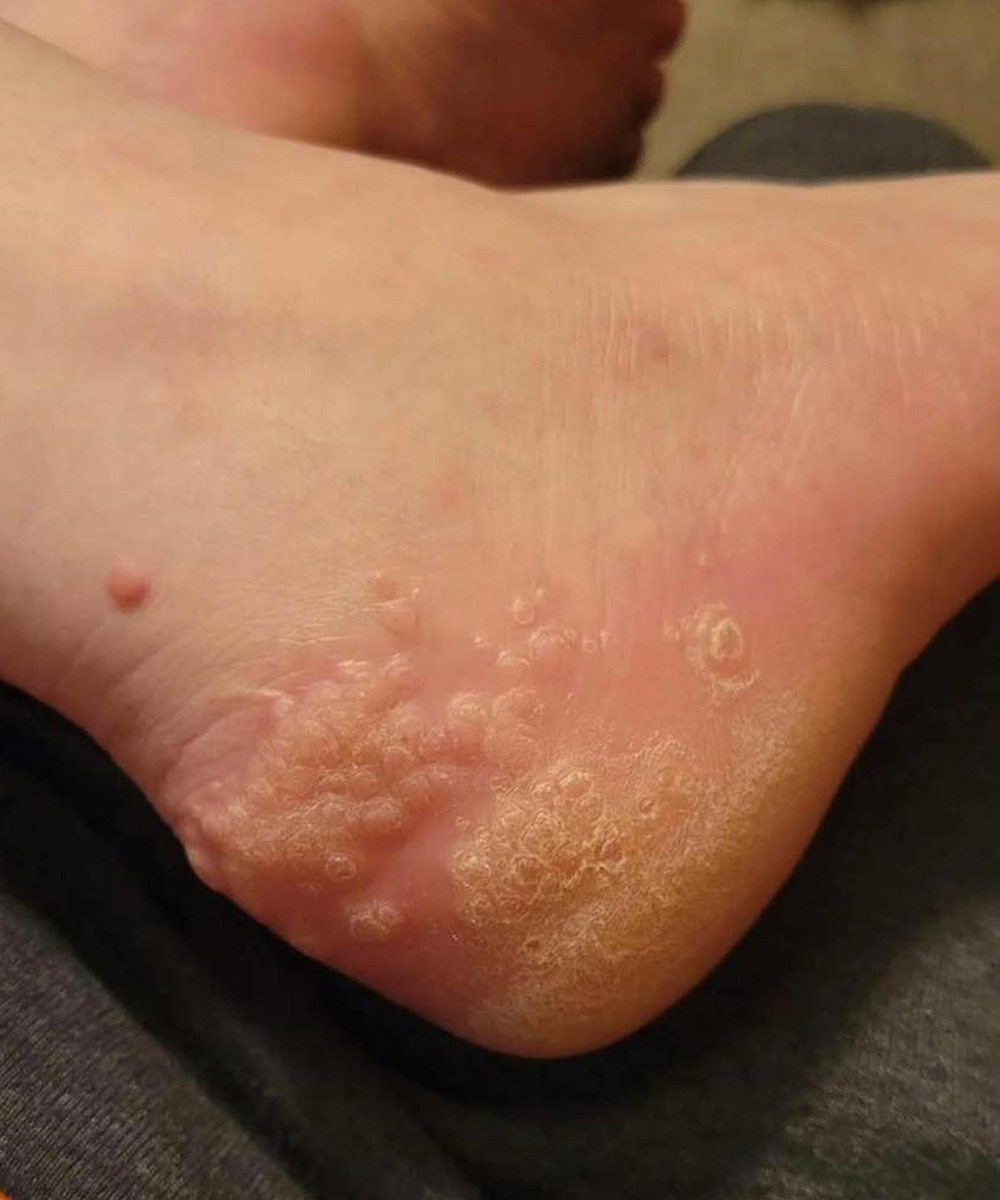
Buying second-hand shoes often feels like a clever, eco-friendly decision—until your feet start protesting. One of the most common things people notice after wearing used footwear is a small yellow bump appearing on a toe. It can look worrying and feel uncomfortable, but in most situations, it’s simply your body responding exactly as it should.
That yellow bump is most often a corn or a callus. Both form when the skin is exposed to repeated pressure or friction in the same spot. To protect itself, the skin produces extra keratin—the same tough protein found in hair and nails. As these layers build up, they become visible as a hardened, yellowish area.
Second-hand shoes are especially likely to cause this because they’re already shaped by someone else’s feet. Over time, shoes adapt to their original owner: insoles compress unevenly, seams soften in specific areas, and pressure points develop where that person carried the most weight. When a different foot slips into that same shoe, those pressure zones often hit the wrong places.
Friction is usually the main culprit. Shoes with narrow toe boxes, stiff sides, or curves that don’t match your foot shape can cause your toes to rub against the same spot with every step. That constant contact irritates the skin. Pressure adds to the problem—shoes that crowd the toes, especially the big or little toe, apply steady force that the skin tries to defend against.
This often results in a hard corn, which typically appears on the tops or sides of toes. Corns usually have a dense core that presses inward, making them feel sharp or painful—sometimes like walking with a grain of sand in your shoe. Calluses, by contrast, are wider and flatter and tend to form on weight-bearing areas like the ball of the foot.
The yellow color comes from tightly packed layers of dead skin cells. On its own, this color isn’t a sign of infection—it’s simply part of the skin’s protective response.
Less commonly, other issues can be involved. Severe friction can cause blisters, which are fluid-filled pockets beneath the skin. These are usually clear, but if infected, the fluid may appear yellow. Fungal infections are another risk with pre-owned shoes. Shoes worn by others can harbor fungi that lead to athlete’s foot or nail infections. These typically cause itching, redness, peeling skin, or thickened, yellowing nails rather than a firm raised bump.
What makes used shoes more troublesome than new ones isn’t just cleanliness—it’s wear patterns. Even thoroughly cleaned shoes may still hold the shape of the previous wearer’s foot. Insoles that look fine can be subtly compressed, altering how pressure is distributed. Trapped sweat and bacteria deep in the materials can also increase irritation and make the skin more vulnerable.
New shoes may cause mild discomfort while breaking them in, but used shoes come with a structure that may never truly suit your feet.
The good news is that most corns and calluses are easy to manage. The most important step is to stop wearing the shoes that caused the problem. Continuing to apply pressure will only make the skin thicken further. Choose footwear that fits properly, allows your toes to move freely, and provides enough cushioning.
Soaking your feet helps soften hardened skin. Ten to twenty minutes in warm, soapy water loosens dead cells, making them easier to remove gently. After soaking, a pumice stone or emery board can be used lightly to smooth the area—but never aggressively. Cutting the skin yourself is risky and increases the chance of infection.
Reducing friction is just as important. Corn pads, moleskin, or gel toe protectors create a protective barrier, giving irritated skin time to heal. Regular moisturizing also helps. Creams with urea or lactic acid are especially effective at softening thickened skin and preventing it from returning.
Over-the-counter treatments containing salicylic acid can gradually dissolve corns, but they must be used with caution. These products aren’t recommended for everyone—particularly people with diabetes, circulation problems, or sensitive skin—because improper use can cause burns or open wounds.
If the bump becomes more painful, red, swollen, starts to ooze, or doesn’t improve after a couple of weeks, it’s time to see a professional. A podiatrist can safely remove excess skin, relieve pressure, and check for underlying issues like bunions, hammertoes, or bone spurs that may be contributing.
Prevention is especially important when buying second-hand shoes. Always clean and disinfect them thoroughly before wearing. Antifungal sprays or powders reduce infection risk. Wearing socks helps absorb moisture and reduce friction. Even used shoes should be worn gradually to give your feet time to adjust. Proper size, width, and breathable materials are essential if comfort matters.
That small yellow bump isn’t a mystery—or a penalty for saving money. It’s your skin’s warning system, signaling that something is rubbing or pressing where it shouldn’t. Fixing the cause, usually poor shoe fit, is far more effective than treating the symptom alone.
With the right care, most foot problems caused by used shoes are temporary. When discomfort lingers, professional advice can prevent minor issues from becoming long-term ones. Healthy feet depend on fit, pressure, and hygiene—and on listening when your body quietly asks for a change.