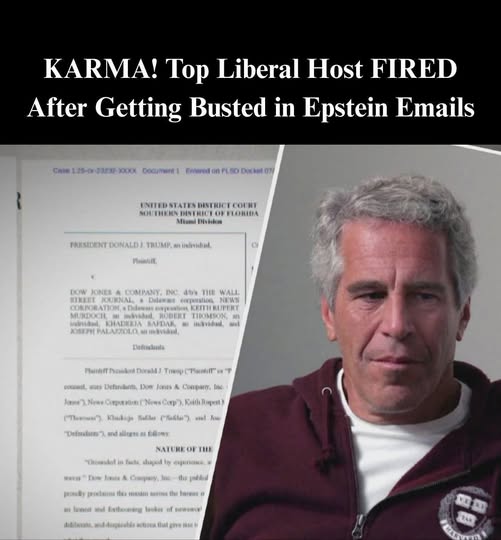
The apology came too late.
By the time Peter Attia finally spoke, the damage was no longer a potential threat — it was already in motion, spreading with the speed and brutality of a public crisis that can no longer be contained by carefully chosen words. What had once been a respected medical figure and a rapidly growing wellness empire suddenly collided with the toxic shadow of Jeffrey Epstein’s legacy. And that collision happened in full public view, inside a merciless news cycle that offers no forgiveness for moral failure.
Emails surfaced one after another. Not rumors. Not insinuations. Real documents that forced sponsors to retreat quickly, partners to fall silent, and major media outlets — including CBS — to choose silence as a defensive strategy. At the same time, as Congress pulled Bill and Hillary Clinton back into testimony and scrutiny connected to the Epstein investigations, the story expanded beyond any single individual. It was no longer merely a personal scandal. It became a cultural moment — an uncomfortable mirror reflecting power, privilege, and the way reputations are protected until they no longer can be.
Attia’s departure from the wellness brand was not a clean or controlled separation. It was a public reckoning, a forced withdrawal under the pressure of an audience that felt deceived. His own words — “tasteless and indefensible” — did not serve as a shield but as evidence. They became, in effect, Exhibit A in the court of public opinion, confirming that what was said privately could not be erased by professional language or a carefully curated public image.
Investors were confronted with ethical dilemmas. Followers began questioning whether their trust had been built on illusion. Patients — people who had tied their health and hope to this figure — were left to face a painful gap between the moral rhetoric of health influencers and the private conversations they shared with a convicted predator. It was a sharp, unsettling contrast that no legal disclaimer could soften.
Attia’s insistence that he committed no crime was not enough. Legality was no longer the central issue. The question had shifted to moral judgment, public accountability, and the reality that some relationships, some jokes, and some silences carry weight — even when they do not violate the law. In this case, the emails spoke louder than any press statement.
In the end, what remained was not simply the fall of one man from a pedestal, but a larger reckoning for an entire industry: how genuine is the morality being sold as a brand, and what happens when the curtain is pulled back and the public sees what lies behind it? In this story, the apology was not insincere — but it arrived far too late to stop the wave that had already begun to sweep everything away.