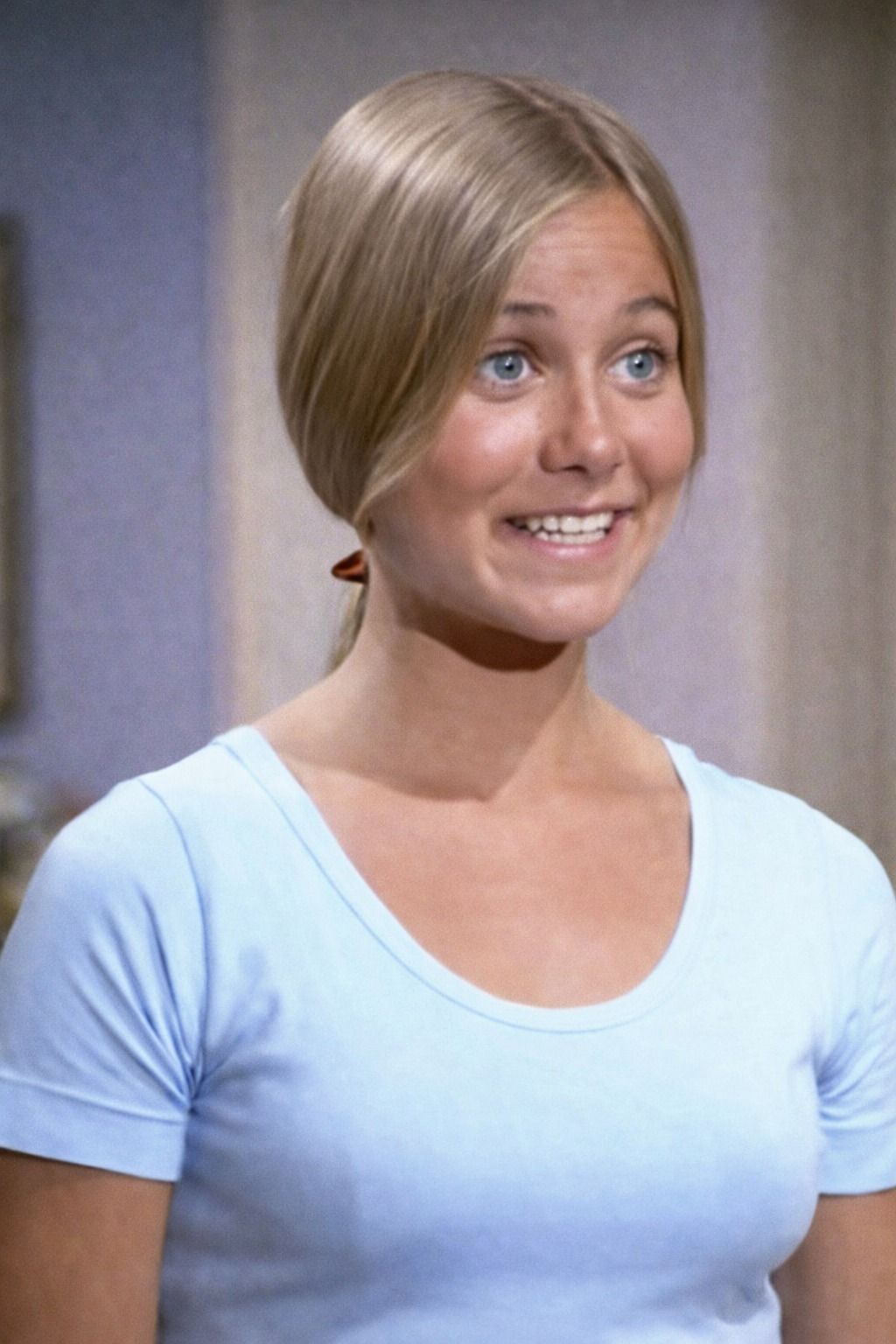
Although the series did not achieve high ratings during its initial broadcast, it gradually found a second life through syndication, eventually reaching audiences far beyond its original viewership. Over the years, what began as a moderately successful family sitcom transformed into a cultural phenomenon, celebrated across generations. Its popularity in reruns allowed viewers to discover the show in new ways, making it a shared touchstone for families and fans alike. This enduring appeal led to numerous spin-offs, made-for-television movies, and special reunion episodes that kept the spirit of the series alive, demonstrating its remarkable staying power and the affection audiences held for the characters.
Behind the scenes, the cast members formed deep, lasting friendships that extended beyond the set. The bonds they forged contributed to the warmth and authenticity that viewers could sense on screen, creating a family-like atmosphere that became a hallmark of the show. These genuine connections were reflected in subtle ways during filming—the casual touches, shared laughter, and moments of improvisation that gave scenes a spontaneous, lived-in quality. Over time, these off-camera relationships became a key part of the show’s narrative, both in terms of production and its enduring appeal to fans.
Several well-known anecdotes and memorable events from the show’s history have since become embedded in television lore. Cast members have openly shared stories of youthful pranks, moments of genuine camaraderie, and the natural chemistry that developed through long hours of shooting. Maureen McCormick, who famously portrayed Marcia Brady, later discussed the personal struggles she faced after the show ended, including challenges with mental health and battles with substance use. These candid reflections offered audiences a deeper understanding of the pressures and complexities that young performers often experience, showing that the idyllic on-screen family life sometimes masked real-life difficulties.
Despite these personal challenges, the cast’s playful energy and dedication to the show remained defining characteristics of the series’ legacy. Lighthearted moments off-camera—practical jokes, impromptu jokes, and bursts of laughter—frequently spilled into filming, resulting in unscripted improvisations that enriched the scenes and delighted viewers. Some of these spontaneous moments became iconic, with certain improvised lines achieving lasting status as pop-culture references that continue to resonate decades later. These small, authentic gestures contributed to the timeless charm of the series, ensuring it remained relatable and memorable for new audiences discovering it through reruns and digital platforms.
Today, the story of Marcia Brady and her fellow cast members is often framed as a narrative of growth, resilience, and enduring impact. What started as a modest family sitcom evolved into a beloved cultural touchstone, remembered not only for its humor and wholesome appeal but also for the real human experiences behind the scenes. The show’s enduring influence speaks to the power of camaraderie, creativity, and perseverance, both in front of and behind the camera. For fans and historians alike, the legacy of the series serves as a reminder that even productions with humble beginnings can leave a profound mark on culture, inspiring affection, nostalgia, and admiration for generations to come.