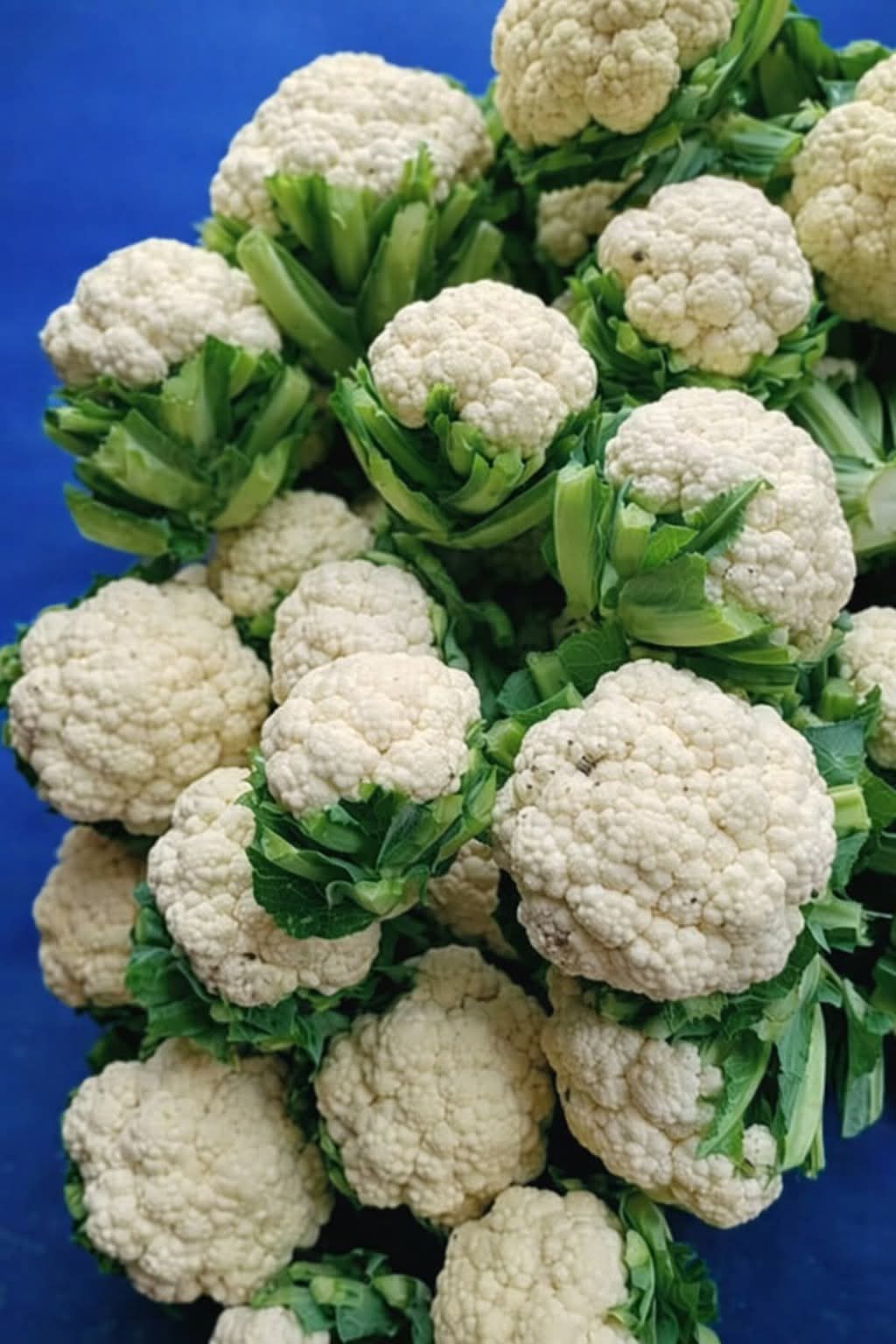
In the ever-evolving landscape of nutritional science, few vegetables have experienced a renaissance as dramatic and profound as the humble cauliflower. Once dismissed as a bland, pale, and unremarkable side dish, often relegated to the margins of a plate alongside more colorful and flavorful greens, cauliflower has emerged as a nutritional powerhouse and a culinary chameleon in modern diets. From low-carb pizza crusts to rice alternatives, creamy soups, and even plant-based “mashed potatoes,” the versatility of cauliflower in the kitchen is undeniable. Yet beyond its adaptability, its clinical and biological significance has captured the attention of medical professionals, particularly in the context of long-term health and vitality for adults over the age of 60. For this demographic, cauliflower represents not just a trendy dietary choice but a scientifically validated tool for promoting resilience, metabolic balance, and systemic wellness.
Medical experts increasingly advocate for cauliflower consumption due to its dense micronutrient profile, which counteracts common dietary deficiencies in the modern population. Among its most celebrated nutrients is Vitamin C—a powerful antioxidant that extends its benefits far beyond immune system support. Vitamin C is crucial for the synthesis of collagen, a structural protein that maintains the elasticity of skin, supports joint integrity, and contributes to vascular health, all of which become increasingly important as the body ages. Coupled with Vitamin K and calcium, cauliflower acts as a silent guardian of skeletal strength, helping mitigate the gradual loss of bone density that often accompanies aging, reducing the risk of fractures and osteoporosis.
Yet the advantages of cauliflower extend far beyond vitamins and minerals. This cruciferous vegetable contains abundant glucosinolates and isothiocyanates, compounds that research suggests may play a protective role against cancer by slowing the proliferation of malignant cells and shielding DNA from oxidative damage. The cardiovascular benefits are similarly significant. Potassium, a naturally occurring vasodilator in cauliflower, aids in moderating blood pressure by relaxing the muscular walls of arteries, while sulforaphane—a potent phytonutrient—reduces inflammation in vascular tissues, supporting heart health in populations particularly vulnerable to hypertension, atherosclerosis, and other age-related cardiac conditions.
One of the most transformative aspects of cauliflower lies in its fiber content. As the digestive system’s efficiency naturally declines with age, maintaining gastrointestinal health becomes critical. Cauliflower provides high-volume dietary fiber with a low caloric load, a dual benefit that promotes satiety and supports digestive regularity. Fiber also nourishes the gut microbiome—the diverse ecosystem of bacteria integral to immune function, mental health, and metabolic regulation. Additionally, fiber slows glucose absorption, aiding in blood sugar control. For individuals managing Type 2 diabetes or insulin resistance, this mechanism reduces the occurrence of spikes and crashes, supporting stable energy levels and long-term vascular integrity.
However, the medical perspective on cauliflower is nuanced. While nutrient-rich, cauliflower is not universally benign. As a cruciferous vegetable, it contains raffinose, a complex sugar that humans cannot fully digest in the small intestine. When raffinose reaches the large intestine, it ferments, often producing gas and bloating. Those with sensitive digestive systems or Irritable Bowel Syndrome (IBS) may experience discomfort from raw cauliflower. Consequently, health professionals often recommend cooking methods such as steaming or roasting, which break down tough fibers and sugars, making the vegetable easier to digest while preserving key nutrients.
Cauliflower also contains goitrogens, compounds that can interfere with thyroid function by inhibiting iodine uptake. While the consumption of realistic, moderate amounts of cauliflower is generally considered safe for most individuals, patients with hypothyroidism are often advised to favor cooked forms, as heat reduces goitrogenic activity. Similarly, the high Vitamin K content, while supportive of bone health, has implications for patients on anticoagulants like warfarin. Consistent intake is key: sudden increases or decreases in Vitamin K can interfere with medication efficacy, so clinicians recommend maintaining a steady, predictable consumption pattern rather than occasional “superfood binges.” Additionally, for individuals prone to calcium-oxalate kidney stones, cauliflower contains moderate levels of oxalates. While not as high as spinach or beets, moderation and variety in diet are prudent.
Beyond its clinical benefits, cauliflower excels as a tool for weight management and metabolic support. As basal metabolic rate slows with age, achieving a sense of fullness without excess caloric intake becomes essential. Cauliflower’s high water and fiber content enable “volume eating”—allowing individuals to feel satisfied with large portions without overloading calories. This promotes adherence to balanced diets, discourages late-night snacking, and supports sustained energy levels and body weight control.
Cauliflower’s influence even extends to neurological and cognitive health. It contains choline, an essential nutrient for neurotransmitter synthesis, memory retention, mood regulation, and overall brain function. In combination with its antioxidants, minerals, and anti-inflammatory compounds, cauliflower can be regarded as a multifaceted ally for systemic wellness. By integrating cauliflower thoughtfully into daily meals, individuals can fortify cardiovascular, skeletal, digestive, metabolic, and neurological health simultaneously.
To maximize these benefits, culinary preparation matters. Moving beyond the overcooked, waterlogged versions of the past, medical and nutritional experts recommend roasting cauliflower with healthy fats like olive oil, and spices such as turmeric, which adds anti-inflammatory curcumin. Grating cauliflower to create “rice” or blending it into sauces and soups allows individuals to increase fiber intake, reduce refined starch consumption, and create creamy textures without heavy dairy. By leveraging cauliflower’s versatility, it is possible to enjoy meals that are simultaneously flavorful, nutrient-rich, and aligned with long-term health objectives.
Ultimately, cauliflower embodies the principle of “stealth health.” It delivers essential vitamins, minerals, antioxidants, and fiber in a form that is adaptable to multiple culinary styles while supporting virtually every system in the body. When prepared mindfully and consumed in the context of a balanced diet, cauliflower becomes more than a vegetable; it becomes a cornerstone of preventive medicine and longevity. It demonstrates that the best interventions for lifelong wellness are often not found in a pill bottle but on the plate, quietly nourishing the body with the tools it needs to function optimally, reduce disease risk, and maintain vitality well into the later decades of life.