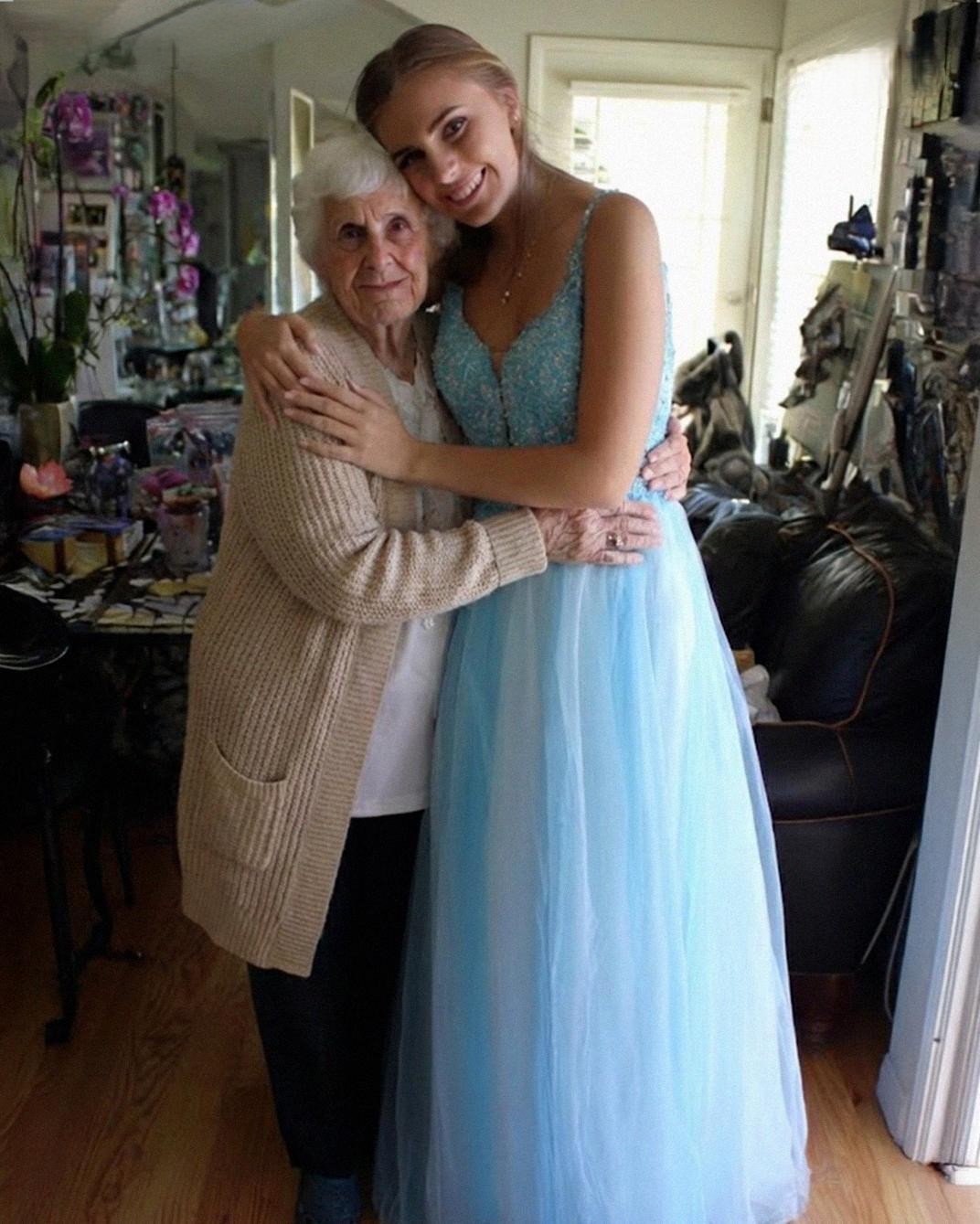
Sixteen years ago, my life divided into a clear before and after.
At fifty-six, I was still moving from one small rental to another, doing whatever work I could to survive, when my son Mark achieved something I never had. At just twenty-nine, with hands worn from construction work and an unbreakable optimism, he bought a modest single-story house for his wife, Melissa, and their young daughter, Emma. It wasn’t luxurious, but it was sturdy—a place meant to last, a place where a family could put down roots.
I still remember sitting at the tiny kitchen table as Mark poured coffee, his face lit with excitement as he talked about the future. He dreamed of adding rooms, building a porch, putting a swing set in the yard. Half-joking, he even said he’d build me a small room above the garage someday so I’d never have to move again. I had never felt prouder of him.
Because of his job in construction, Mark believed in planning ahead. He wrote a simple will, just in case. If anything ever happened to him, the house would belong to Emma.
None of us imagined that “just in case” would come so soon.
A workplace accident took my son’s life before any of his plans could become reality. Emma was only two years old. I held her tiny hand at the funeral as she stared at the casket, unable to understand why her father wasn’t getting up. Melissa greeted people stiffly, her expression distant and unreadable.
After the service, back in the house that still carried traces of Mark’s aftershave, I found Melissa packing a suitcase. When I begged her to stop and talk, she wouldn’t meet my eyes.
“Take care of her,” she said flatly, tossing the house keys toward me as if they burned her fingers.
I stood in the doorway as she climbed into a luxury car driven by a smiling man. The engine purred as they pulled away, leaving Emma and me alone in the driveway.
That was the last time Melissa saw her daughter for sixteen years.
I moved into the house and took on any work I could find to keep it going. I cleaned houses until my knees screamed, babysat neighborhood children, and worked late shifts at a diner. The mortgage was paid. The lights stayed on. Emma never went without food.
Time moved the way it always does—quietly and relentlessly. I aged. My back ached every morning, my hands stiffened with the years. But Emma grew into a kind, thoughtful young woman with a heart far bigger than the life she’d been given.
She rarely complained. She learned to make thrift-store clothes look stylish and never asked for what she knew we couldn’t afford. Still, I knew there was one thing most high school girls dreamed of: prom night.
When I asked if she planned to go, she shrugged and tried to sound indifferent. She said she’d checked secondhand shops, that nothing seemed right, that it didn’t matter anyway. But I heard the disappointment she worked so hard to hide.
The next day, I found a bolt of soft blue satin in a vintage shop. It wasn’t cheap, but I could manage it. That night, after finishing my diner shift, I hauled my old sewing machine onto the kitchen table and began to work.
I sewed for days. My fingers cramped, my eyes burned, but I stitched every seam with love. The night before prom, Emma slipped into the dress and slowly turned in front of the mirror. The fabric caught the light perfectly.
Tears filled her eyes. “It’s the most beautiful dress I’ve ever seen,” she whispered.
That’s when there was a knock at the door.
I opened it and froze. Melissa stood on the porch, perfectly styled, her heels clicking as she stepped inside without waiting for an invitation. She looked polished, confident, untouchable.
“My baby girl!” she cried, wrapping Emma in a sudden embrace.
Emma stood stiffly, stunned.
Melissa swung a garment bag off her shoulder and unzipped it with dramatic flair, revealing a sparkling silver designer gown. She glanced at the handmade blue dress and wrinkled her nose.
“You can’t wear that,” she said casually. “People will laugh. Wear this instead.”
For a brief, foolish moment, I hoped she had come back to make things right.
Then an envelope slipped from her purse and landed at Emma’s feet.
Inside were legal documents—formal and unmistakable.
Melissa spoke smoothly, trying to sound reasonable. She said the house had always been meant for “their family.” She suggested Emma sign the papers so Melissa could sell it, promising a better, more glamorous life somewhere else.
That was when I understood why she had really returned.
Emma’s hands trembled, but her voice was steady. She asked how a dress could make someone a mother. She reminded Melissa who had stayed, who had worked, who had loved her when no one else did.
Then she tore the papers in half.
Melissa’s smile collapsed into fury. She shouted insults as she stormed out, her heels striking the floor like gunshots.
I thought that was the end of it.
The next night, Emma went to prom wearing her blue dress. When she came home after midnight, her mascara was smudged, but her smile glowed.
She hugged me tightly and whispered, “I was the most beautiful girl there. Because of you.”
Later, she told me her friends loved the dress. They said it was unforgettable.
That night, sitting together on the porch, I realized something important. I hadn’t just raised my granddaughter—I had raised someone strong enough to know her own worth.
The house was hers. The future was hers. And no one would ever take that from her again.