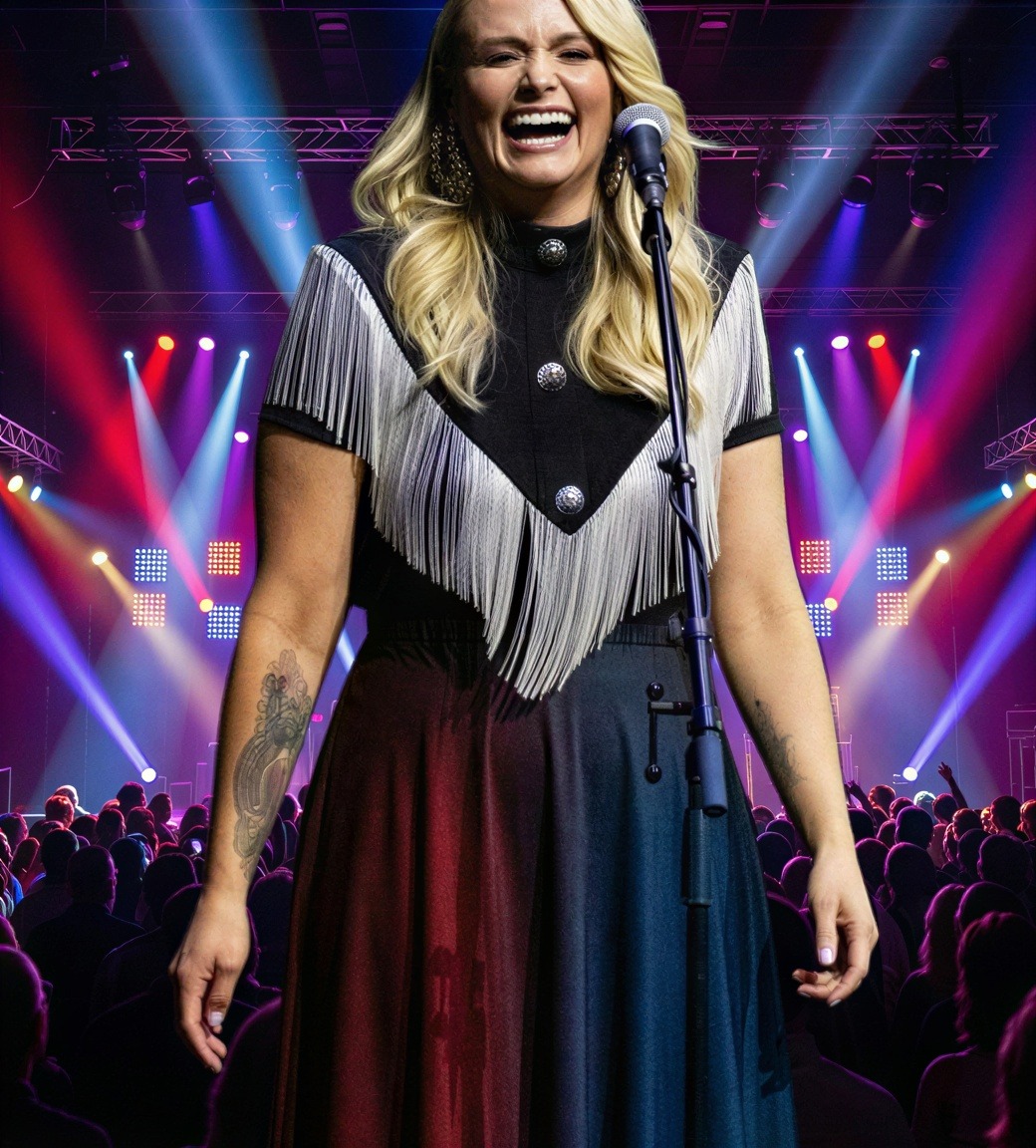
Miranda Lambert has once again found herself at the center of public attention after briefly pausing a performance during her ongoing Las Vegas residency, a moment that quickly reignited conversations tied to a previous viral incident involving a fan taking a selfie during one of her concerts. Although the interruption was brief and measured, it was enough to spark renewed discussion online and among concertgoers. Despite the renewed chatter, Lambert’s residency continues to be a major draw, consistently attracting full crowds who praise her powerful vocals, confident stage presence, and high-energy performances that define each night of the show.
During a recent performance, Lambert stopped mid-song for a short moment to address the audience, signaling an awareness of the ongoing conversations circulating online. According to multiple reports from attendees, the pause occurred during an upbeat segment of the show when something happening near the front of the stage appeared to catch her attention. While she did not single out any individual or directly reference past incidents, the interruption was noticeable enough that fans quickly began discussing it both inside the venue and on social media platforms shortly after the show ended.
The moment underscored the delicate balance artists must maintain during live performances—connecting authentically with fans while preserving the momentum, energy, and emotional flow of the concert. Lambert’s reaction was calm, controlled, and non-confrontational, yet it inevitably reminded some audience members of the earlier selfie-related moment that had previously divided fans. As with that incident, reactions to the recent pause have remained mixed. Supporters argue that artists have the right to set boundaries and protect the integrity of their performances, while others worry that even brief interruptions can disrupt the immersive experience that fans expect from a live show.
Many of Lambert’s longtime fans and supporters have come to her defense, viewing her actions as a reflection of professionalism and respect for the overall concert experience. They believe her intention was simply to refocus attention on the music and the shared connection between performer and audience, rather than allowing distractions to take away from the moment. To these fans, the pause demonstrated her commitment to delivering a cohesive, high-quality performance rather than a reaction driven by frustration or conflict.
While Lambert has not formally addressed the original selfie controversy or offered direct commentary on the renewed attention surrounding it, her actions suggest a subtle but consistent message to fans about staying present and engaged during live performances. Rather than revisiting past disputes, she appears focused on moving forward and ensuring that each show maintains its energy and emotional impact. This approach reflects her broader philosophy as a performer—prioritizing the music, the atmosphere, and the shared experience in the room.
As her Las Vegas residency continues, Lambert remains firmly focused on delivering memorable performances that highlight her artistry and connection with fans. The ongoing success of the residency suggests that audiences continue to appreciate her authenticity, confidence, and dedication to her craft. While moments like these may spark debate, they also highlight the evolving relationship between artists and audiences in an era shaped by social media, instant reactions, and constant visibility. Ultimately, Lambert’s ability to navigate these moments while keeping the focus on the music reinforces why her live performances remain so compelling and why her residency continues to thrive.