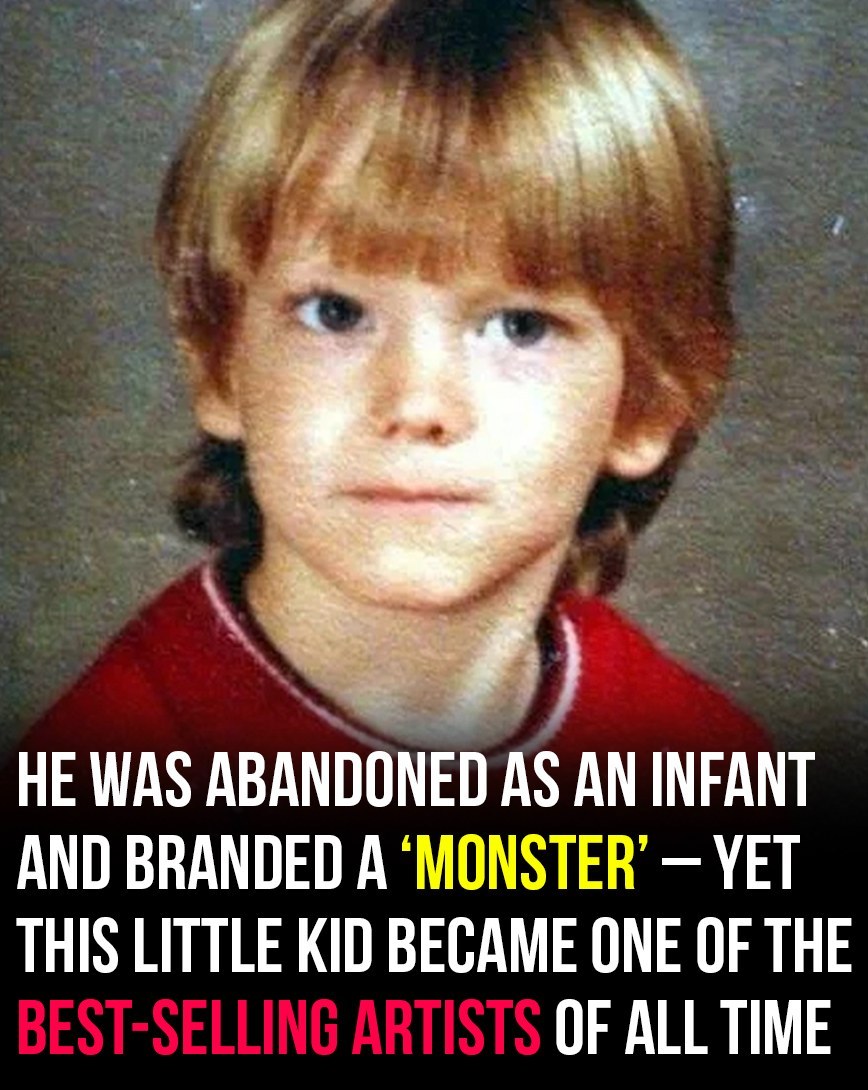
The transformation of Marshall Bruce Mathers III from an overlooked, tormented child into the global icon known as Eminem is one of the most raw and compelling stories in modern music. His journey began in the gray, industrial landscape of Detroit, shaped by systemic neglect, physical abuse, and emotional abandonment. Instead of being crushed by a life seemingly designed to fail him, Marshall transformed the wreckage of his upbringing into the fuel for a creative engine that would redefine hip-hop and reshape cultural conversation.
Marshall was born on October 17, 1972, in St. Joseph, Missouri, but his formative years were spent in the shifting, unstable homes of Michigan. The first major trauma came before he could even form memories: the departure of his father, Marshall Mathers Jr. Attempts to reach out through letters were met with silence, the envelopes returned “return to sender.” Eminem would later say that his father didn’t need to be a hero—he just needed to acknowledge his son’s existence. This absence left a psychological wound that would surface in the raw vulnerability of his lyrics.
Life was unstable in other ways, too. Raised by his mother, Debbie Nelson Mathers, Marshall moved constantly between Missouri and Detroit, attending dozens of schools before dropping out in ninth grade. He was perpetually the “new kid,” making him a frequent target for bullying. At nine, a snowball packed with a heavy object struck him, causing a brain hemorrhage and a five-day coma. This violent episode, combined with the school system’s inability to protect him, pushed Marshall inward, forging a reliance on his own inner world for safety.
Home offered no refuge. The household was filled with transient father figures and maternal volatility. Marshall’s mother struggled with substance abuse, particularly prescription drugs, leaving him without the emotional anchor he needed. While Debbie Mathers later contested some of these claims, even filing a defamation lawsuit against her son, the perception of neglect shaped his reality. In this void, his uncle Ronnie Polkingharn introduced him to hip-hop. Ronnie’s eventual suicide was another devastating blow, but it solidified Marshall’s devotion to the one constant in his life: rhythm and rhyme.
By his mid-teens, Marshall had found his weapon: words. In Detroit’s predominantly Black hip-hop scene, he was a white kid fighting to earn respect in a culture protective of its roots. He had to work twice as hard to be seen as half as worthy. Competing in open-mic battles at the Hip-Hop Shop on West 7 Mile Road, his sharp wit and technical skill turned skepticism into respect. It was here that the “Slim Shady” persona emerged—a dark, unflinching alter ego through which he could confront his anger, frustrations, and pain. Slim Shady allowed Marshall to say the unsayable and turn his demons into art.
Everything changed when a demo tape reached Dr. Dre, the legendary West Coast producer. Dre’s decision to sign a white rapper from Detroit was a bold gamble that transformed the industry. Their collaboration on The Slim Shady LP (1999) exploded onto the scene, combining technical mastery with psychological depth, blending cartoonish violence with the very real struggles of poverty. Songs like “My Name Is” and “Guilty Conscience” forced mainstream audiences to confront an often-ignored segment of American life.
Marshall’s personal life grew more complex alongside his fame. In 1995, he welcomed his daughter, Hailie Jade Scott, with his high school sweetheart, Kim. Fatherhood became his first true sense of purpose. He dedicated himself to providing stability and comfort he had never known, a theme reflected in tracks like “Mockingbird” and “Hailie’s Song.” He also took responsibility for raising his niece Alaina and daughter Stevie, proving that his devotion to family was his ultimate rebellion against his own turbulent childhood.
Eminem’s cultural impact was cemented by the 2002 film 8 Mile, a semi-autobiographical account of the Detroit rap scene that culminated in the anthem “Lose Yourself.” The song won the Academy Award for Best Original Song, making Eminem’s story of perseverance universally relatable. Despite 220 million records sold worldwide, he continued to wrestle with his past, including a near-fatal prescription drug addiction in the mid-2000s. His 2010 album Recovery served as a public testament to his journey toward sobriety, solidifying his legacy as a survivor who shared both his failures and triumphs.
Today, Eminem stands as a titan of hip-hop, a Rock and Roll Hall of Fame inductee, and a technical master whose influence spans modern music. He lives a private life in Detroit, loyal to the city that raised and challenged him. His legacy goes beyond record sales or headlines—it is a story of resilience. Marshall proved that words can transform pain into power, and that a neglected child from Missouri could, through sheer will and lyrical genius, become the voice of a generation. He didn’t just survive the “King of the Hill” game of his youth—he took the hill and never looked back.