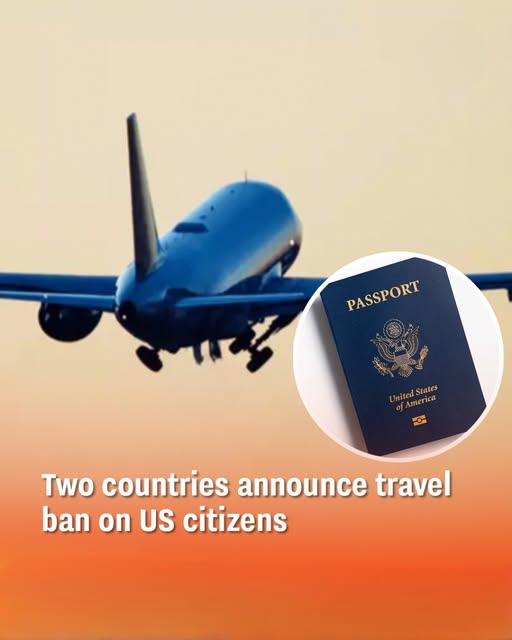
Since returning to the presidency, Donald Trump has once again placed immigration control and border enforcement at the forefront of his administration’s priorities. Earlier this month, the U.S. government unveiled a significant expansion of travel restrictions, adding new countries to a growing list of nations subject to full or partial entry bans. With 39 countries now affected, this represents one of the most extensive travel restriction programs in recent U.S. history. The White House frames the policy as a national security measure intended to prevent potential threats from entering the country, while supporters argue it pressures foreign governments to tighten their own border controls. Critics, however, warn of potential diplomatic friction, economic disruption, and the unfair targeting of ordinary civilians.
Full travel bans now encompass countries including Afghanistan, Burma, Chad, Congo, Eritrea, Haiti, Iran, Libya, Somalia, Sudan, Yemen, and Syria, among others. Citizens of these nations face comprehensive visa suspensions with only limited exceptions. Partial bans apply to countries such as Angola, Nigeria, Tanzania, and Zambia, restricting certain visa categories. Officials maintain that these measures address shortcomings in document security, information sharing, and adherence to U.S. standards. Yet governments and advocacy groups have criticized the opaque criteria used to evaluate these countries.
The policy has already triggered swift retaliatory actions. Mali and Burkina Faso announced reciprocal restrictions on U.S. citizens, citing national sovereignty and the principle of reciprocity. Niger has gone further, instituting a permanent ban on U.S. visa issuance, while Chad had previously suspended visas for Americans. Such measures could complicate U.S. strategic partnerships and create challenges for travelers, aid workers, journalists, and businesses operating abroad.
Additionally, the Trump administration has rolled out stricter biometric data collection at U.S. airports, including facial recognition and potential fingerprint or DNA collection for non-citizens. While designed to enhance border security, these policies have raised concerns about privacy and data retention.
European governments, including the U.K. and Germany, have issued advisories to their citizens, noting that visa or ESTA approval no longer guarantees entry into the United States. Internal U.S. government memos suggest that additional countries could face similar restrictions in the future.
Taken together, these travel bans, reciprocal measures, and expanded biometric protocols mark a significant shift in global mobility, altering international relations and introducing new uncertainties for travelers and governments worldwide.