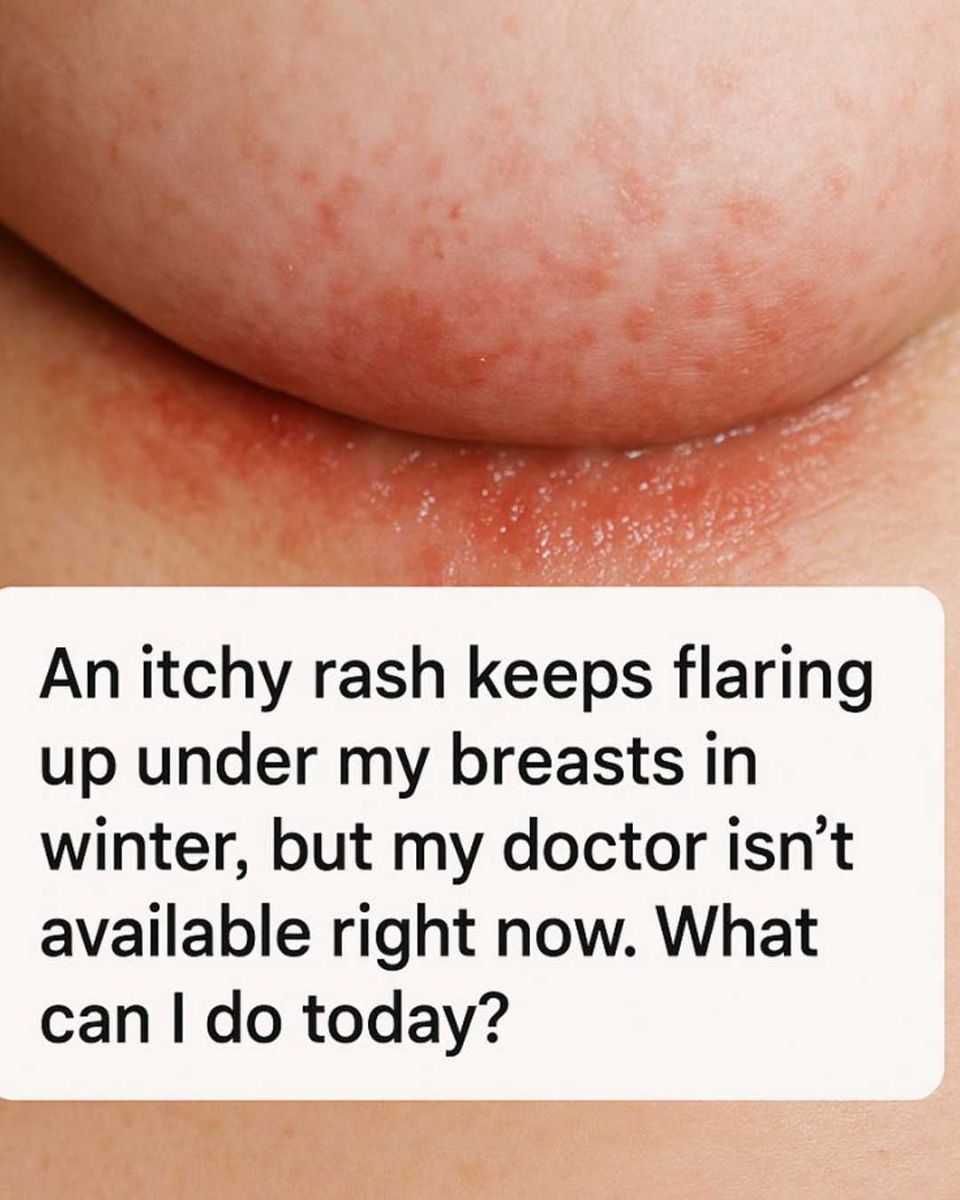
As the January 2026 frost blankets the streets and heaters hum in homes, the human body experiences subtle but meaningful physiological changes. While many notice the drying effects of winter on the face and hands, there is a less obvious discomfort that often develops in hidden areas of the body. One common and persistent issue is the itchy, red rash that can appear beneath the breasts. Medically, this is often diagnosed as intertrigo, an inflammation caused by skin-to-skin friction, trapped moisture, and heat. Even in cold, dry weather, the microenvironment under layers of winter clothing can become surprisingly humid, creating a perfect setting for irritation and infection.
Understanding how winter rashes develop is the first step toward relief. Intertrigo occurs in “intertriginous” areas, where skin surfaces touch and rub together. In cold months, heavy, non-breathable fabrics can trap sweat, softening the skin’s protective outer layer, the stratum corneum. This maceration makes the skin vulnerable to friction and microbial growth. Symptoms include persistent redness, itching, a burning sensation, or a faint musty odor—early signs that intervention is needed.
Managing the rash requires a careful balance of hygiene and protection. Keeping the area dry and clean is essential. Harsh scrubbing should be avoided, as winter skin is more sensitive. Use lukewarm water and a mild, fragrance-free cleanser, then pat the skin dry rather than rubbing. For deeper skin folds, a hairdryer on a “cool” setting can ensure complete dryness before dressing.
After drying, creating a protective barrier is key. Barrier creams containing zinc oxide or petrolatum can prevent further friction, allowing the skin to heal. If red spots spread beyond the main rash—indicating a possible yeast infection like Candidiasis—over-the-counter antifungal creams such as clotrimazole or miconazole may be applied twice daily. Avoid cornstarch, which can worsen a yeast infection by providing food for the fungus.
Winter clothing choices also play an important role. Synthetic fabrics are great for active exercise but may trap heat during sedentary periods. High-quality cotton or moisture-wicking undergarments can improve airflow and reduce trapped sweat. A thin cotton camisole under a sweater can absorb moisture before it irritates the skin, while properly fitted bras help keep skin surfaces separated.
Environmental factors matter too. Dry indoor air can strip skin of natural oils, increasing vulnerability. A bedroom humidifier can maintain skin hydration, and shorter, cooler showers help preserve the skin’s lipid barrier, preventing further irritation.
While many cases of intertrigo respond to careful home care, certain warning signs require medical attention: fever, rapidly spreading redness, or pus-filled blisters may indicate bacterial infections such as cellulitis or impetigo, which need prescription antibiotics. Keeping a photographic log of the rash and products used can aid a dermatologist or physician in diagnosing and treating the condition effectively.
Winter is a time to reset our habits and focus on comfort, but it’s important to protect our skin—the body’s largest organ. An itchy rash under the breast is more than a nuisance; it signals that the skin’s barrier is under stress. Gentle cleansing, thorough drying, barrier creams, and mindful clothing choices can prevent discomfort and support skin health.
By making small adjustments—a softer towel, a mild soap, breathable fabrics—you can navigate winter with confidence, staying comfortable in your own skin despite the cold. Winter 2026 should be remembered for crisp mornings and cozy evenings, not avoidable skin irritation. With consistent care and awareness, relief is achievable, and your skin can remain healthy throughout the season.