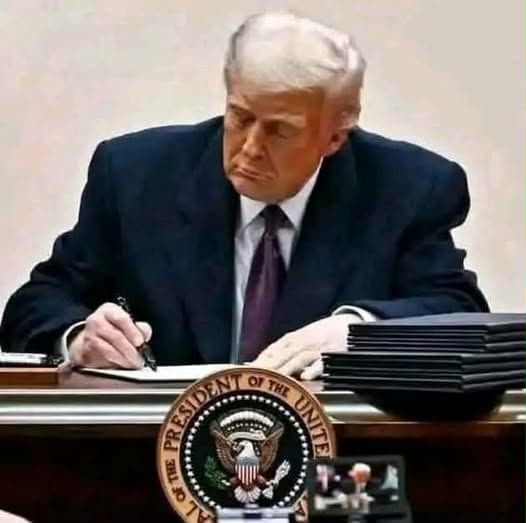
At the start of 2026, the United States embarked on a profound period of structural change that historians might one day call the “Quiet Reset.” Outwardly, the transition resembled familiar political theater: executive signatures, camera flashes at the classic mahogany podium, and speeches promising that the nation would finally “play to win.” Yet beneath this polished public surface, a deeper shift was underway—a new administrative philosophy quietly reshaping the nation’s socio-economic framework. This was not just a shift in partisan priorities but a deliberate effort to rewrite the country’s operational code, favoring speed and bold action over the traditional deliberative pace of representative democracy.
A central pillar of this reset was the creation of a massive sovereign wealth fund, aimed at investing in global technology and infrastructure. Simultaneously, speculation about banning or forcing the sale of major social media platforms such as TikTok signaled a more protective, isolationist approach to the digital realm. The economy was being rewired for high-stakes global competition, and long-standing regulatory frameworks became the first targets for removal. Under a new ten-for-one deregulation policy, each proposed regulation required the elimination of ten existing ones, forcing federal agencies to strip away decades of protections simply to maintain basic operations.
The immediate consequences were chaotic. Procedures that once required years of hearings, environmental reviews, and bipartisan debate were reduced to rapid repeals and celebratory press events. Bureaucratic processes, previously criticized for being slow, were suddenly sprinting, often at the cost of safety. Corporations reacted with mixed emotions: many sectors and speculative markets soared, reveling in the freedom from “red tape,” while executives privately panicked as familiar legal guardrails vanished, leaving planning uncertain and volatile.
Symbolically, the reset was reinforced by the country’s formal withdrawal from the Paris Climate Agreement (for the second time) and a return to traditional energy dominance, including a revival of single-use plastics. The message was clear: immediate economic output and industrial growth were the priorities, even at the expense of long-term environmental stability. Ecological targets, once framed as essential for future generations, were reclassified as luxuries. Environmental protection became secondary to the pursuit of global economic dominance.
This shift represents a conscious trade of caution for economic acceleration—a wager that short-term gains can outrun the long-term costs of dismantled safeguards. The “Quiet Reset” bets that immediate action can outweigh the consequences of a less regulated system. Yet the social fabric of the nation has also been affected: rapid policy changes outpaced public comprehension, creating anxiety, confusion, and a sense of alienation. Civic participation has been reduced to a secondary concern, as the new American identity takes shape around pragmatism and results-driven governance.
Individual citizens now occupy a changed role. Democracy feels like a passenger ride in a speeding vehicle: thrilling, yet increasingly uncertain. The legislative branch struggles to keep up with an executive branch operating like the CEO of a nation-sized corporation, prioritizing efficiency over traditional checks and balances.
Internationally, the reset has disrupted long-standing alliances built on shared commitments to environmental stewardship and security. America’s inward focus and aggressive economic posture have forced global partners to reevaluate cooperative agreements, altering the balance of international diplomacy.
The lasting impact of the Quiet Reset will not be measured solely in executive orders or market gains but in the transformed relationship between government and citizens. Its consequences will be seen in environmental health, economic stability, and the enduring effects of dismantled safety nets. For now, the nation moves at high speed, energized by immediate action, while the long-term effects remain uncertain. Whether this reset will produce a more competitive and resilient United States—or push the system toward a breaking point—only time, the very factor it seeks to override, will reveal.