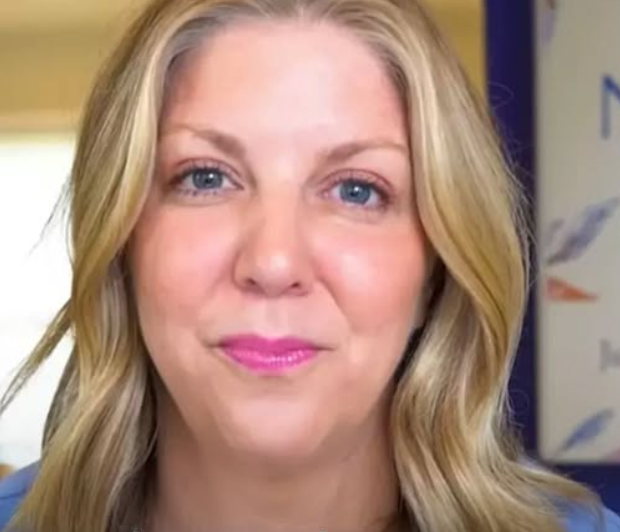
After years spent walking alongside people at the very end of their lives, one hospice nurse has come to recognize a truth so consistent it has reshaped the way she sees the world. It is not dramatic. It is not poetic. It has nothing to do with money, status, or material success.
It is quiet. And for many, it arrives too late.
Julie McFadden has built her career caring for people in their final weeks, days, and sometimes hours. Her work places her in rooms most of society avoids—spaces where pretense falls away and conversations become brutally honest. Over time, she has noticed that when life is stripped to its essentials, people begin repeating the same reflections again and again.
What surprises most is not what they regret—but what they realize they overlooked.
Julie’s influence has extended far beyond hospice walls. Through public speaking, writing, and social media, she has helped millions confront uncomfortable truths about life and death in a way that is calm, grounded, and deeply human. Her goal is never to shock or frighten. Instead, she offers perspective—gained not from theory, but from presence.
When people approach the final chapter of life, the tone of their conversations changes. The urgency of daily responsibilities fades. Career goals, long-term plans, and social expectations lose their grip. What replaces them is reflection.
Julie says people begin reviewing their lives not as a list of accomplishments, but as a collection of moments. They speak more openly than ever before. There is no need to impress anyone. No image to protect.
One reflection comes up often: work.
Many say they spent too much time working. Not out of greed or ambition, but because life demanded it. Bills needed to be paid. Families depended on them. Rest was postponed, relationships put on hold, joy delayed for “later.”
Julie is careful to note this is not about blame. Most people do not overwork because they want to; they do it because they feel they have no alternative. Still, when time runs short, many wish they had found more balance—more presence with loved ones, more moments that were unhurried and fully experienced.
Yet even that reflection is not the one she hears most.
The most common realization, she says, is simpler—and far more unsettling: they wish they had appreciated their health.
Not cured an illness. Not avoided death. Simply appreciated what their bodies once did quietly, reliably, without complaint.
Julie has heard patients speak with awe about ordinary abilities: breathing without thinking, walking across a room without pain, sleeping comfortably, eating without difficulty, standing without dizziness, feeling energy in the morning.
When health is intact, it barely registers. It becomes background noise. People assume it will always be there. Only when it begins to slip away does its value become painfully clear.
Julie has seen this realization surface countless times. Patients recount memories of days they rushed through—days now recognized as extraordinary. Moments that felt mundane then are remembered as gifts.
These conversations have changed how Julie lives her own life.
She no longer waits for milestones or dramatic events to feel grateful. Instead, she focuses on the ordinary foundations of comfort and independence. At the end of each day, she practices a simple habit: listing small, physical things she is thankful for.
Being able to walk without assistance.
Breathing freely.
Having energy to move through the day.
Feeling the warmth of sunlight.
These moments are unglamorous, but they support everything else people care about. By acknowledging them regularly, Julie stays grounded in the present rather than assuming her body will always function as it does today.
Her years in hospice have also made her more mindful about daily behaviors. She avoids certain habits—not out of moral judgment, but from repeated observation:
Daily alcohol use. Smoking or vaping. Reckless activities that offer short-term thrill at long-term cost.
Julie has cared for many whose suffering could not be reversed, but in some cases could have been delayed or reduced. Witnessing these outcomes repeatedly shapes how one views personal choices. Her approach is not about perfection or fear—it is about respecting the body as something finite and deserving of care.
She emphasizes that this awareness does not require drastic change. It starts with attention:
Noticing how your body feels today.
Resting when it asks for rest.
Choosing habits that support long-term comfort rather than short-term escape.
These decisions rarely feel urgent when health is stable. That is precisely why they matter.
Julie is clear that she does not share these reflections as warnings. She is not trying to scare people into living differently. Her message is quieter:
Health, when present, is silent. It does not demand recognition. It does not announce itself. Yet it supports every relationship, every dream, every responsibility.
By listening to those who have reached the end of life, Julie believes people can learn to live with more awareness now—before loss forces the lesson.
The tragedy she sees most often is not death itself. It is regret rooted in inattention. Not noticing the strength of one’s body while it was still there. Not recognizing how much was already working.
Her work offers a reminder both sobering and freeing: meaning does not always come from doing more. Sometimes it comes from noticing what is already enough.
The voices she hears at the end of life are not asking for more years—they are wishing they had been more present in the ones they had.
And that lesson, Julie believes, is available at any age—long before time runs out.