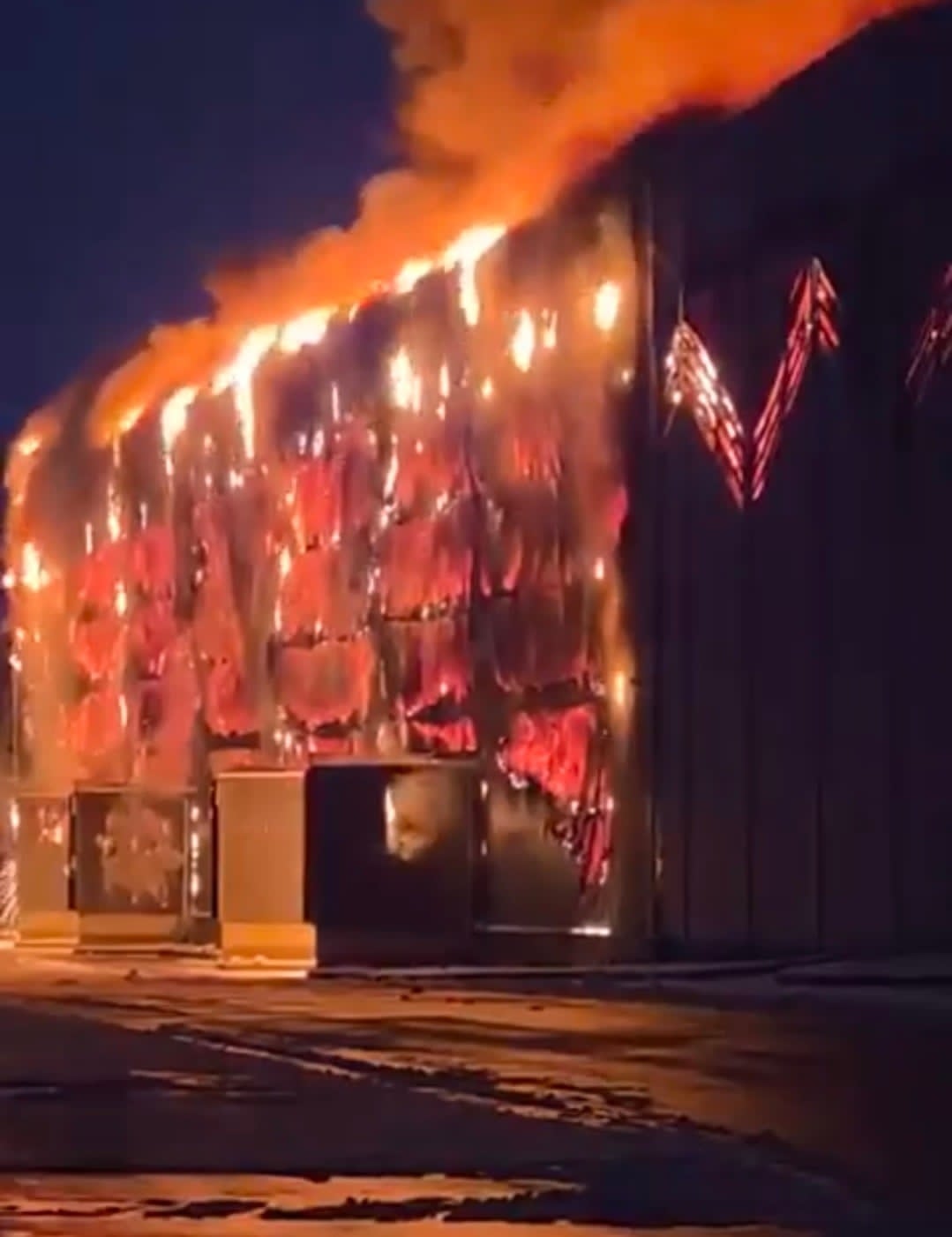
A fast-moving wildfire ripped through the area with alarming force, leaving extensive destruction in its wake and forcing hundreds of families from their homes as emergency crews battled the flames overnight. Initial assessments suggest that at least 300 houses were damaged or destroyed, though officials caution that the full extent of the losses may not be known for several days.
The fire broke out under highly dangerous conditions. Powerful winds, extremely dry air, and parched terrain combined to create an environment in which flames spread uncontrollably. What started as a small incident quickly grew into a regional emergency, overwhelming firefighting efforts and prompting urgent evacuation orders with little time for residents to prepare.
Eyewitnesses described terrifying scenes as the fire surged forward. Flames jumped streets and consumed homes within minutes, leaving families scrambling to escape. Many fled with nothing but the clothes they were wearing, abandoning cars, pets, and personal belongings as smoke filled the air and burning embers fell from the sky. Emergency sirens blared constantly as responders worked through neighborhoods packed with evacuating residents.
Fire crews faced extreme and unpredictable conditions. Thick smoke, intense heat, and shifting winds made containment especially difficult. Ground teams were reinforced by aerial support whenever weather allowed, but strong gusts repeatedly pushed the fire in new directions, igniting additional areas faster than crews could control them. In several locations, officials said the focus had to shift from saving property to ensuring lives were not lost.
Several firefighters suffered minor injuries, including smoke inhalation, heat-related exhaustion, and injuries from falling debris. Authorities confirmed that, despite the severity of the fire, no deaths have been reported—a result many described as extraordinary given how rapidly the situation escalated. Medical teams remained on alert throughout the night as crews rotated through the most heavily affected zones.
As evacuation zones expanded, emergency shelters were opened in schools, churches, and community centers. Volunteers and aid organizations responded quickly, providing food, water, clothing, and temporary bedding. Donations poured in from neighboring communities, while social media became a crucial tool for residents searching for missing pets, checking on loved ones, and sharing critical updates.
By daylight, the scale of the devastation became clearer. Entire neighborhoods were reduced to ashes, with only scorched foundations, chimneys, and warped metal remaining. Burned-out vehicles lined driveways, and trees smoldered along streets where homes once stood. Residents allowed to return briefly under supervision walked through areas that were almost impossible to recognize.
For many, the losses were deeply emotional. Homes represented years of memories, family history, and irreplaceable belongings, all gone in a matter of hours. Some stood silently in shock, while others sifted through debris hoping to recover anything that survived. Officials warned residents not to enter damaged areas without authorization, citing unstable structures, lingering heat, and hazardous materials.
Widespread power outages and closed roads further complicated response and recovery efforts. Utility workers coordinated with fire officials to assess damage to infrastructure, while law enforcement secured evacuated neighborhoods to protect property and maintain safety. Authorities urged patience as recovery operations continued and restricted areas remained off-limits.
Investigators have begun working to determine what caused the fire, though officials emphasized that such investigations take time, especially after disasters of this scale. Early efforts will focus on locating the fire’s origin and examining possible contributing factors, including weather conditions, equipment failures, or human activity. The public was asked to avoid speculation until verified information is available.
Local and state leaders have declared the fire a major disaster, noting that recovery will be a long and challenging process. Emergency declarations are expected to unlock additional aid and financial support for those affected. Officials stressed that rebuilding will take months, if not years, and that many families face a difficult road ahead.
Even amid the destruction, moments of resilience appeared quickly. Neighbors offered shelter, meals, transportation, and emotional support. Volunteers filled shelters and organized supply distribution, while community groups launched donation drives and fundraisers within hours. For many displaced residents, this collective support provided comfort during an overwhelming crisis.
Fire officials warned that risks remain high, with dry conditions and strong winds increasing the possibility of flare-ups. Residents in nearby areas were urged to stay alert, follow evacuation instructions promptly, and keep emergency plans ready. Authorities reiterated that safety remains the top priority as crews continue working toward full containment.
As the region begins the long recovery process, the fire serves as a stark reminder of how quickly lives can change in the face of natural disasters. Attention now turns to stabilizing communities, helping displaced families, and rebuilding what was lost. While the physical damage is immense, many residents and leaders expressed determination to move forward together, united by resilience after a night of unprecedented destruction.