Sex is often talked about in terms of pleasure, intimacy, and connection, but there are very real physical consequences that affect the body before and after intercourse. One of the most overlooked areas is the urinary system—a quiet but essential system that plays a critical role in post-sex health. Ignoring it can lead to discomfort, infection, and recurring issues that many people don’t immediately connect to their habits.
The urinary system’s primary function is simple but vital: it removes liquid waste from the body and helps maintain internal chemical balance. It includes the kidneys, bladder, ureters, and urethra. Normally, this system is very effective at keeping itself clean. But during sexual activity, conditions change in ways that make the urinary tract more vulnerable.
During intercourse, especially for women, the urethra can be exposed to bacteria from nearby areas. The female urethra is short and located close to both the vagina and anus, making bacterial transfer easier. Friction during sex can push bacteria toward the urethral opening, allowing microorganisms that normally live harmlessly on the skin to enter areas where they can cause infection.
Men are not immune, though the longer male urethra reduces the risk. Even so, bacteria can enter during sex and temporarily linger in the urethra. If unaddressed, they can multiply, potentially causing infection.
This is where one simple habit becomes crucial: urinating after sex.
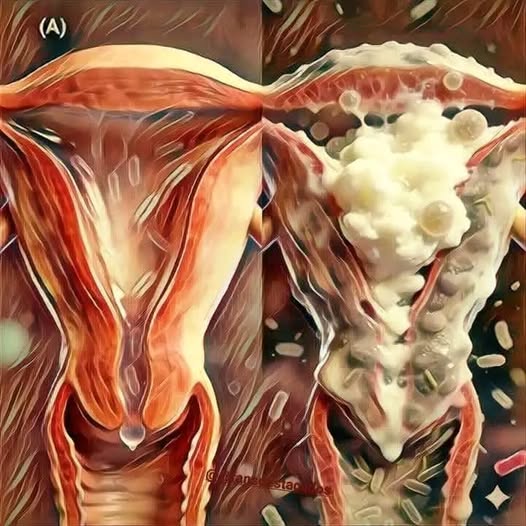
When people skip urination post-intercourse, bacteria that have entered the urethra have time to settle, attach to the lining, and travel upward. In women, this can happen quickly. Once bacteria reach the bladder, it often results in a urinary tract infection (UTI). Inflammation follows, and symptoms can appear within hours.
One common condition linked to this is postcoital cystitis, a type of bladder infection prevalent among sexually active women. Most often caused by Escherichia coli, a bacterium found in the digestive tract, it triggers irritation and inflammation that can make everyday activities uncomfortable.
Symptoms are hard to ignore: a burning sensation during urination is usually the first sign, often followed by a constant urge to urinate, lower abdominal pain or pressure, and in severe cases, fever or cloudy urine. What makes postcoital cystitis particularly frustrating is how quickly it can strike after a seemingly normal sexual experience.
Not everyone who skips urinating after sex will get an infection. Some are more prone due to anatomy, genetics, hormonal changes, or a history of UTIs. However, the risk is clear, which is why medical professionals consistently recommend emptying the bladder shortly after intercourse.
Urinating after sex serves a specific protective function. Urine acts as a natural flush, washing away bacteria before they can cling to the urethral walls or travel into the bladder. This simple mechanical action significantly reduces the likelihood of infection.
Beyond removing bacteria, post-sex urination relieves residual pressure in the bladder. Sexual arousal increases blood flow to the pelvic area, which can create a feeling of fullness or tension. Emptying the bladder restores comfort and normalizes internal conditions.
There is also a pH factor to consider. The urinary tract and surrounding tissues rely on a balanced pH to maintain healthy microbial populations. When bacteria disrupt that balance, irritation and infection become more likely. Urinating helps restore this balance by clearing substances that could contribute to problems.
Skipping this habit doesn’t guarantee problems, but it increases the risk—especially over time. Recurrent UTIs are not only painful, they can become chronic and harder to treat. Repeated inflammation can sensitize the bladder, making future infections more frequent and symptoms more severe. In rare cases, untreated infections can spread to the kidneys, leading to serious complications.
The connection between sex and urinary health is often misunderstood. Some people assume discomfort is coincidental or caused by something else. Others may feel embarrassed discussing symptoms, delaying treatment and allowing infections to worsen.
The reality is straightforward: sexual activity changes the urinary tract’s environment. Taking a few minutes afterward to urinate helps reset that environment and prevent avoidable issues.
This habit is especially important for those prone to UTIs, but it benefits everyone. It’s a small action with a big impact. It doesn’t interfere with intimacy or diminish the experience—it simply recognizes that the body needs care after the moment of pleasure.
Sex doesn’t end when intercourse ends. What happens afterward matters just as much. Paying attention to basic needs—hydration, hygiene, and urination—can prevent weeks of discomfort and repeated medical visits.
The consequences of ignoring this step often start quietly: mild irritation or a vague sense that something feels off. Over time, these signals can escalate into recurrent infections and chronic discomfort. Responding early with simple, informed habits is the key to avoiding these outcomes.
Urinating after sex is not superstition or outdated advice. It’s a practical, evidence-based step rooted in how the body works. Sometimes, the most effective health measures are also the simplest.