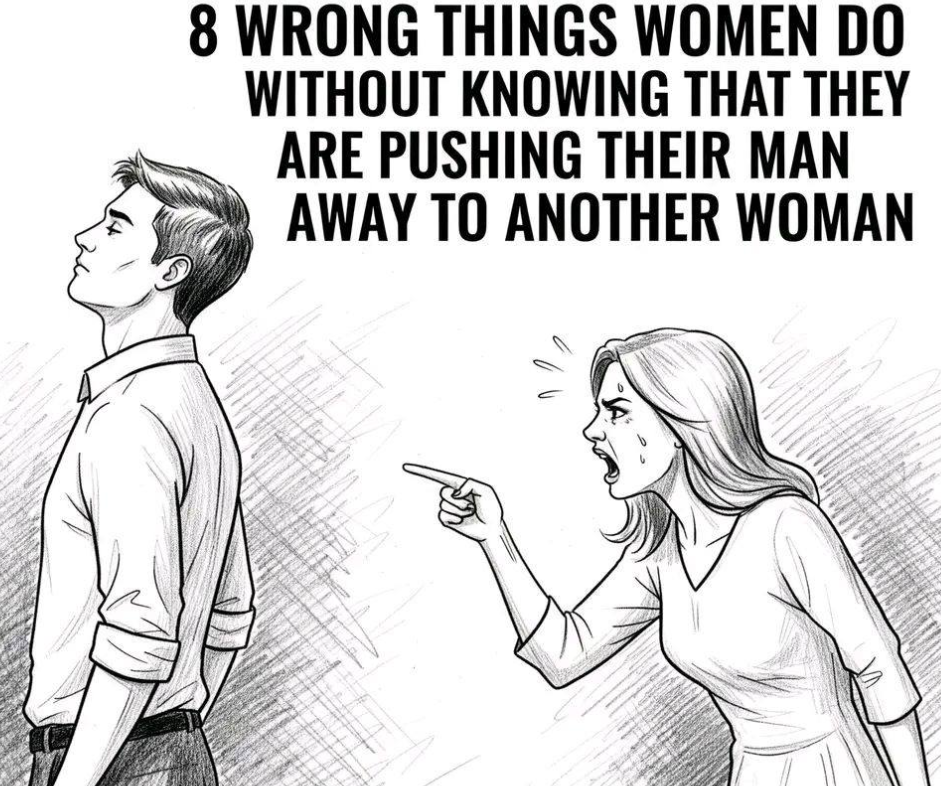
In the complex design of a lasting relationship, it is almost never the dramatic, explosive events that determine its fate. More often, love is strengthened—or slowly weakened—by the quiet, everyday interactions that shape a shared life. Many women find themselves emotionally distant from a partner who once felt inseparable, unsure how the gap formed. While it’s tempting to blame external circumstances, the truth is that small, often unconscious habits can slowly erode intimacy, much like water wearing down stone. Recognizing these patterns is not about fault; it’s about regaining control and repairing the connection before deeper damage occurs.
One of the most damaging patterns in a relationship is the gradual replacement of appreciation with persistent criticism. In the beginning, partners naturally focus on each other’s strengths, valuing even the smallest gestures. Over time, however, attention often shifts toward flaws—missed chores, forgotten details, minor annoyances—while positive efforts go unnoticed. When a man constantly feels judged, he may begin to feel inadequate, as though he can never measure up. Eventually, this sense of failure can cause him to emotionally retreat. Relationship specialists often recommend a balance, such as expressing multiple genuine compliments for every piece of constructive feedback. Consistent appreciation helps restore confidence and reassures him that he is valued, not constantly evaluated.
Equally harmful is the quiet neglect of emotional closeness. Physical attraction may spark a relationship, but emotional connection sustains it. Many couples slowly fall into a routine where conversations revolve only around responsibilities and logistics. When communication becomes purely practical, emotional intimacy begins to fade. A man who feels his thoughts and feelings no longer matter may seek validation elsewhere—through work, hobbies, or social circles. Rebuilding this bond requires intention: setting aside distraction-free time, asking meaningful questions, and creating space for honest conversation. These moments revive the emotional connection that once brought you close.
Another subtle but powerful issue is taking a partner for granted. Comfort and familiarity can lead to assumptions—that he will always be there, that appreciation no longer needs to be expressed. Small gestures of gratitude disappear, and thoughtful efforts fade. Over time, this can make a man feel unseen and unimportant. The remedy lies in simple, consistent actions: sincere thank-yous, unexpected notes, kind words that acknowledge who he is and what he contributes. These reminders reinforce that he is cherished, not merely present.
Comparison is another silent threat to intimacy. Measuring a partner against an ex, a friend’s relationship, or an idealized image sends a painful message of inadequacy. This habit breeds resentment and dissatisfaction, damaging both partners. Every individual brings unique strengths to a relationship, and focusing on perceived shortcomings blinds you to the ways he genuinely shows up for you. Celebrating his individuality—his humor, problem-solving style, or personal values—strengthens your bond and affirms his sense of worth.
Many women also unintentionally create distance by constantly venting without offering a path forward. While sharing stress is natural, turning every conversation into a release of frustration can make the relationship feel heavy. Men often feel a strong urge to fix problems, and when faced with issues they cannot resolve, they may feel helpless or overwhelmed. Balance is key. Express challenges, but invite collaboration—turning stress into a shared experience rather than a burden placed on one partner.
At its core, a healthy relationship requires a shift from “me versus you” to “us.” Awareness of these small habits, followed by intentional change, can transform the dynamic. Relationships are living systems that need care and attention. When appreciation outweighs criticism, depth replaces surface-level interaction, and individuality is celebrated rather than compared, love has the space to grow.
Ultimately, both partners want a place of safety and acceptance. In a demanding world, a man wants to return to a relationship where he feels respected, understood, and valued. By addressing these subtle missteps, you don’t just preserve the relationship—you strengthen it. Every expression of gratitude, every meaningful conversation, and every act of intentional care weaves a bond that becomes stronger over time. Choosing to see and affirm the best in him encourages him to give his best in return, allowing your relationship to remain resilient, vibrant, and deeply connected for years to come.