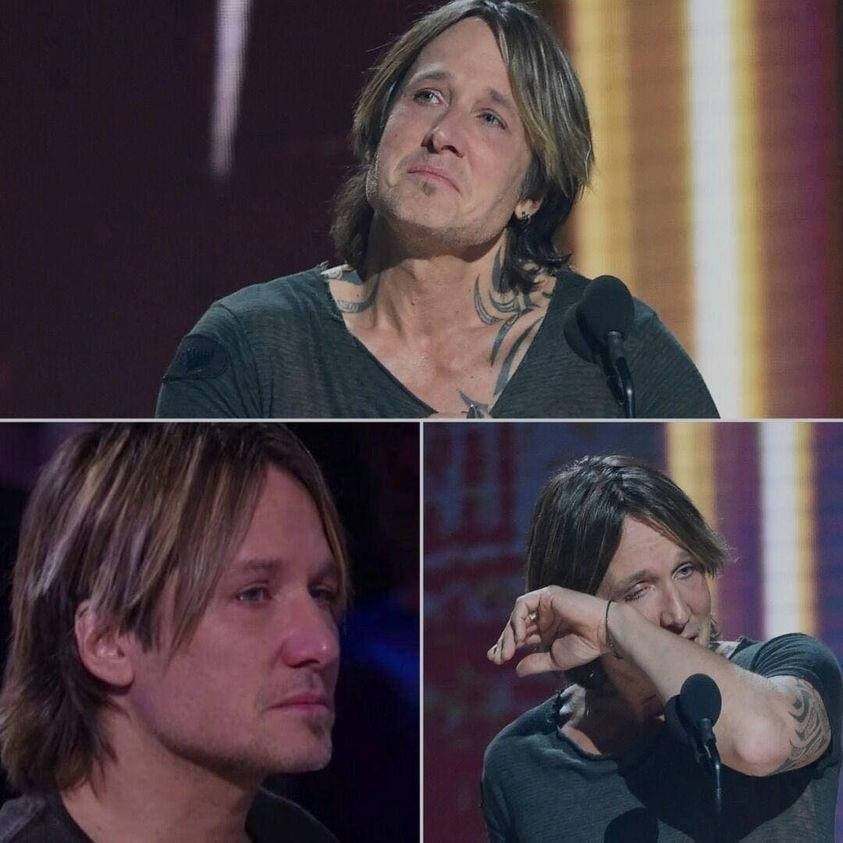
understand the man behind the guitar, one must look beyond the stage lights and rhinestones to the moments of vulnerability that shaped him. His life demonstrates how a career once shadowed by fame and personal struggle can be recalibrated through family support and a desire to give back to the world that embraced him.
The turning point came in 2005 at the “G-Day LA” gala, honoring Australians in Los Angeles. There, Urban met Nicole Kidman. Both were globally recognized Australians but strangers to one another. Kidman, still navigating the aftermath of a very public divorce, sought no whirlwind romance. Urban, grappling with his own challenges, was equally cautious. Yet the connection was immediate and undeniable. Within months, they were engaged, beginning a partnership that would become one of Hollywood’s most admired unions.
Early marriage, however, tested them in unexpected ways. For Urban, the first years weren’t just about love—they were about survival and sobriety. Kidman’s steadfast support provided the foundation for him to rebuild his life. As they welcomed their two daughters, Urban’s priorities shifted. No longer just a musician chasing chart success, he was now a husband and father, accountable to his family and the future.
This familial strength became even more crucial during his father Robert Urban’s battle with prostate cancer. Robert’s death shook Keith profoundly, but instead of succumbing to grief, Urban chose to honor his father’s legacy through action. The loss fueled his dedication to cancer research and awareness, transforming personal tragedy into purposeful philanthropy.
A defining moment came in 2018 at the “It’s A Bloke Thing” luncheon, which raised funds for prostate cancer research. Urban flew in to perform and waived his fee entirely. On stage, he was not a distant celebrity but a grieving son, using his presence and music to inspire generosity. The event raised over two million dollars, but for Urban, the true impact lay in the message: vulnerability is strength, and health is a shared responsibility.
This commitment is part of Urban’s everyday life. Balancing the demands of a global music career with family life in Nashville, he is often seen performing one night and running school drop-offs the next. Fans admire his relatability—he navigates fame not above the crowd but alongside it.
Urban’s life has also prompted public empathy. When he reached out for support online, fans responded with a wave of genuine care, sharing stories of how his music had guided them through illness, loss, and heartbreak. This reciprocity, where artist and audience heal each other, exemplifies the essence of his career.
Urban’s story is defined by contrasts: he has celebrated professional highs with Grammy wins and a Grand Ole Opry induction, yet also endured profound personal loss. He has learned that the hands capable of a guitar solo can also provide comfort, support, and action when it matters most.
Today, Urban continues to embody the power of second chances. Whether advocating for men’s health or sharing quiet moments with fans, he does so with rare transparency. His legacy will likely be measured less by awards and more by the millions raised for cancer research and the countless lives inspired by his story. His enduring marriage to Kidman remains a symbol of stability in a volatile industry, proving that love rooted in respect and shared values can withstand public scrutiny.
Keith Urban’s journey is one of resonance and compassion. It tells of a man who found himself by serving others. From Sydney’s stages to Tennessee’s heart, he has shown that music becomes truly powerful when it conveys empathy. As his fans continue to rally around him, it is clear that the “knight with the ticking clock” in his life has learned the ultimate lesson: the work of the heart is the most important work of all. He lives with open hands, ready to catch those who stumble, ensuring his father’s memory and his own convictions continue to illuminate the path for others.