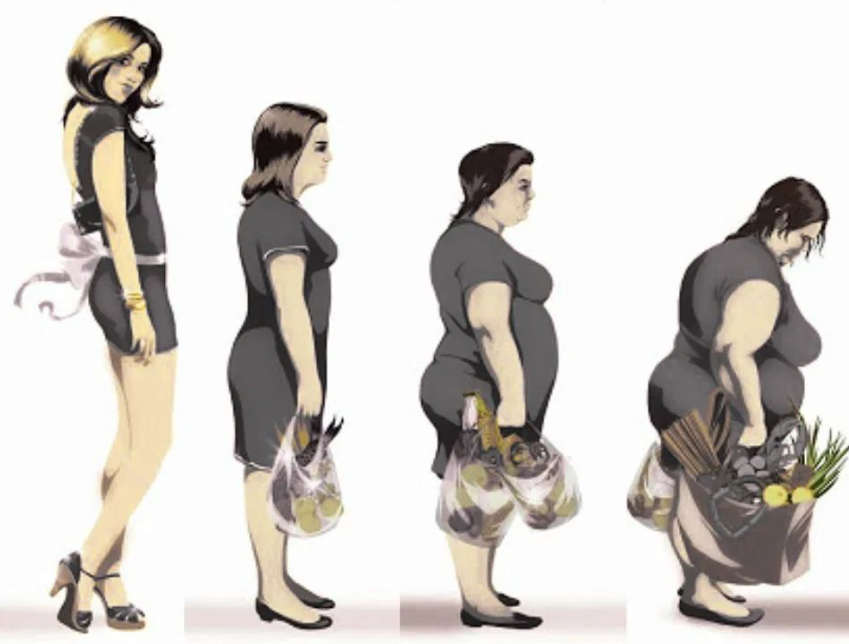
Marriage is often portrayed as a space for safety, growth, and shared purpose. At its healthiest, it reinforces a woman’s sense of self and gives her freedom to evolve. At its worst, it slowly dismantles her confidence, her voice, and her identity. When people claim that marriage “destroys” women, the issue isn’t the institution itself—it’s the behaviors that are allowed to grow when respect and awareness disappear.
What damages a woman in marriage isn’t love, commitment, or responsibility. It’s a pattern. And that pattern is usually driven by three quiet but corrosive forces—three “C”s that rarely arrive dramatically, yet cause lasting harm when left unchallenged.
The first is criticism.
Honest communication is essential in any relationship. Disagreements, feedback, and even conflict are normal. Criticism, however, crosses a different line. It doesn’t address behavior; it targets character. When a woman is repeatedly criticized—her appearance, her choices, her parenting, her reactions—the message shifts from “this bothers me” to “you are the problem.”
At first, criticism may seem harmless. A joke framed as advice. A disappointed sigh. A comparison to someone who does things “better.” Over time, these moments stack up. She begins to police herself—measuring her words, shrinking her presence, anticipating disapproval before it’s spoken.
What makes criticism especially damaging is its source. When it comes from a partner—the person meant to be safe—it cuts deeply. She may stop sharing opinions, abandon interests, and doubt her instincts. Not because she lacks strength, but because she’s learned that authenticity invites judgment.
Unrestrained criticism doesn’t inspire growth. It creates fear. And fear suffocates intimacy.
The second “C” is control.
Control rarely shows up as commands or threats. More often, it disguises itself as concern, advice, or “knowing what’s best.” That subtlety makes it especially dangerous.
It begins with excessive questioning of her choices—what she wears, who she sees, how she spends money, where she goes. First she explains. Then she justifies. Eventually, she may feel the need to ask permission, even if no one explicitly demands it.
Control quietly shifts the balance of power. One partner becomes the authority; the other adapts. Autonomy erodes, replaced by compliance mislabeled as harmony. She may tell herself she’s avoiding conflict, when she’s actually surrendering independence.
Over time, control isolates. Confidence fades. Decision-making becomes difficult. The relationship stops functioning as a partnership and starts resembling a hierarchy.
Control doesn’t need anger to be effective. Calm persistence can be just as damaging.
The third—and most destructive—“C” is contempt.
Contempt poisons the emotional atmosphere of a marriage. It’s not disagreement or frustration; it’s disdain. Eye-rolling. Mockery. Sarcasm. A tone that signals superiority.
When contempt takes root, love becomes conditional. A woman may feel merely tolerated instead of valued. Her feelings are dismissed. Her concerns mocked. Her vulnerability met with indifference or scorn.
Contempt communicates one message clearly: “You are beneath me.” It attacks dignity itself, creating emotional distance that’s difficult to repair. Over time, she may internalize this message, believing her needs are excessive, her pain inconvenient, and her expectations unreasonable.
Unlike criticism, which can sometimes be corrected, contempt hardens. It reflects a loss of empathy—and without empathy, repair is nearly impossible.
These three forces—criticism, control, and contempt—often work together. Criticism weakens confidence. Control limits freedom. Contempt erodes dignity. A woman caught in this cycle may appear functional outwardly while slowly unraveling inside.
What makes this especially dangerous is how normalized it can feel. Many women are taught to endure, adapt, and sacrifice. They may blame themselves, believing they need to try harder, be quieter, be easier to love. But no amount of self-erasure can fix a relationship built on disrespect.
A healthy marriage doesn’t demand perfection. It requires mutual regard. It allows disagreement without humiliation, guidance without domination, frustration without cruelty.
When criticism is replaced by constructive communication, a woman feels safe to grow. When control is replaced by trust, she feels capable and respected. When contempt is replaced by empathy, she feels seen.
A woman doesn’t lose herself in marriage because she is weak. She loses herself when the environment makes being herself unsafe.
The truth is uncomfortable but simple: love cannot survive without respect. And respect isn’t proven through promises—it’s shown daily, in how a partner listens, responds, disagrees, and supports.
Marriage should never make a woman smaller. It should not silence her voice or dim her spirit. When that begins to happen, the issue isn’t marriage itself—it’s the presence of those three quiet destroyers.
Recognizing them isn’t about blame. It’s about awareness. Because once a woman can name what’s harming her, she can begin to protect herself—and decide whether healing is possible, or distance is necessary.
Marriage doesn’t ruin women.
Unchecked criticism, control, and contempt do.