The internet has become an incredible conduit for information, connecting people across the globe and allowing knowledge to spread at a speed and scale previously unimaginable. Social media platforms, in particular, have transformed the way we consume content: a post can go viral within minutes, and a simple observation can spark widespread discussion or even education. While many trends online are designed purely for entertainment—memes, viral challenges, and lighthearted videos—there has also been a noticeable rise in content that feeds curiosity and encourages learning. People today are increasingly drawn to topics that help them understand themselves and the world around them, particularly when it comes to their own health and well-being. In recent years, one area that has attracted growing attention is the study of the human body, specifically conditions that are relatively common yet rarely discussed in casual conversation. This trend highlights a broader cultural shift toward prioritizing health literacy and self-awareness, empowering people to explore subjects that were once considered awkward or taboo.
A prime example of this trend is the growing online conversation around tonsil stones. At first mention, the term “tonsil stones” might evoke a sense of discomfort or even alarm, particularly for those unfamiliar with them. The idea of hardened formations in the throat can sound intimidating, and yet understanding what they are—and how they form—can quickly ease any unnecessary concern. Tonsil stones have gained attention on forums, social media threads, and health websites because, despite being surprisingly common, most people don’t talk about them openly. In fact, many experience them without ever realizing it, and yet they can lead to curiosity, confusion, or embarrassment when symptoms appear.
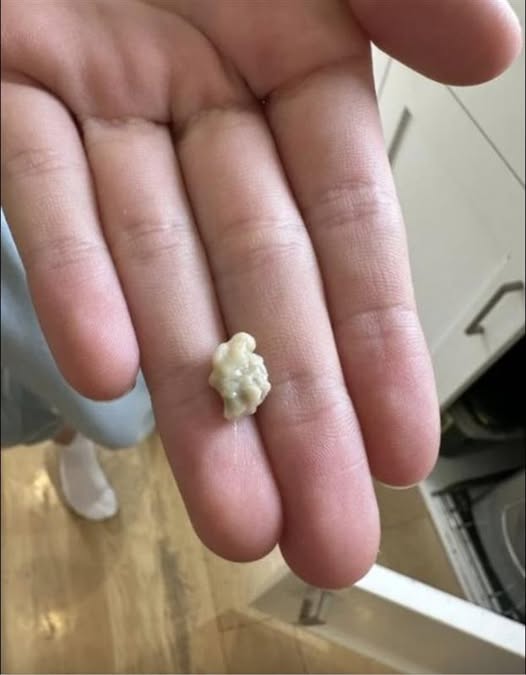
Medically, tonsil stones are referred to as tonsilloliths, small, calcified deposits that form in the natural crevices and folds of the tonsils. According to the Mayo Clinic and other medical authorities, these formations are usually white or yellow in color and are generally considered harmless. They develop when debris—such as food particles, dead cells, mucus, and bacteria—becomes trapped in the tonsillar crypts, the tiny pockets or grooves that occur naturally in the tonsils. Over time, this trapped material hardens and forms the small, pebble-like stones that some people may notice. While many individuals with tonsil stones experience no symptoms at all, others may become aware of them because of noticeable bad breath, a mild scratchy or irritated throat, or the persistent sensation that something is lodged in the back of the throat. Occasionally, people can even see the stones when they open their mouth wide and look at their tonsils in a mirror.
The prevalence of tonsil stones is higher than most people assume. Because the symptoms are often subtle or absent, countless individuals may unknowingly carry them for years. The stones vary in size as well—some are tiny, barely detectable specks, while others can grow large enough to be felt or even cause temporary discomfort when swallowing. Online communities and health forums have seen an influx of discussions where users share tips, remedies, and personal experiences with tonsil stones, ranging from natural dislodging techniques to medical interventions.
The reassuring news for anyone concerned is that tonsil stones are usually easy to manage with simple, everyday habits. Maintaining good oral hygiene is crucial, as brushing, flossing, and using antiseptic mouth rinses help reduce the bacteria and debris that contribute to formation. Gargling with warm salt water can also loosen stones and provide relief from irritation or mild soreness. Staying adequately hydrated encourages saliva production, which naturally helps wash away debris and maintain oral health. In many cases, tonsil stones will dislodge on their own without the need for medical treatment, and only in rare instances do they require professional removal by a healthcare provider.
Learning about tonsil stones also serves as a reminder of a larger principle: the more people understand about their bodies, the less anxiety or embarrassment they need to feel. Simple awareness can prevent unnecessary fear and promote proactive self-care. Many health educators and online platforms emphasize that conditions like tonsil stones are normal, manageable, and nothing to be ashamed of, encouraging open discussion in a way that helps remove stigma. By fostering knowledge and curiosity about our own physiology, even small topics like tonsil stones can become opportunities for empowerment and confidence.
In the end, tonsil stones are a fascinating example of how ordinary, often-overlooked aspects of human health can capture widespread attention once people begin talking about them. Their rise in online conversation demonstrates not only the power of social media to educate and normalize, but also a growing cultural shift toward embracing knowledge about our bodies without fear or embarrassment. Understanding what tonsil stones are, why they form, and how they can be managed allows people to approach their health thoughtfully and confidently. Far from being a source of alarm, these small formations are simply one more reminder that curiosity, awareness, and practical care can make a meaningful difference in everyday well-being.