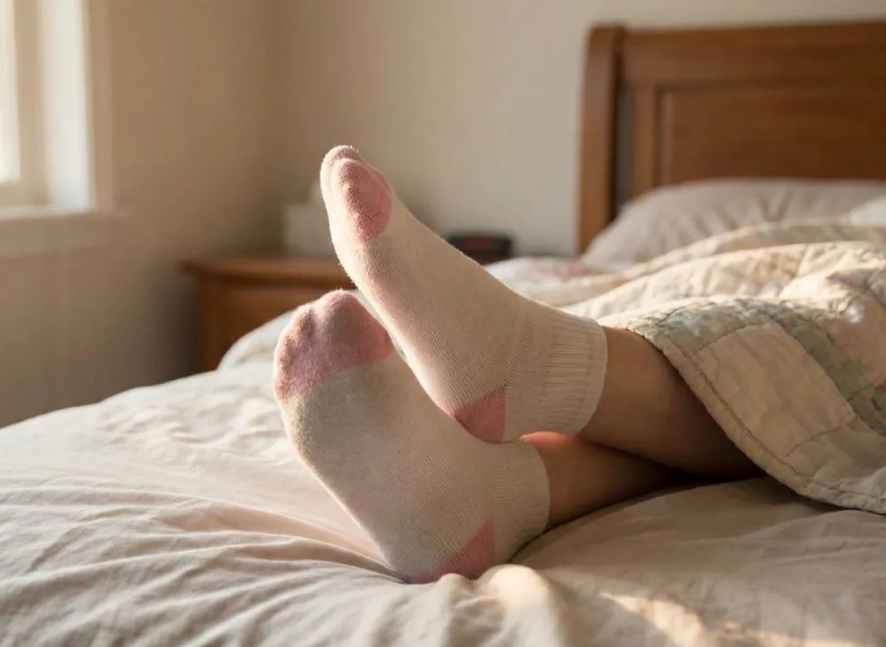
For many people, especially those who have spent a lifetime walking barefoot around the house, the idea of wearing socks indoors can feel unnecessary or even restrictive. Bare feet often signal relaxation, familiarity, and the freedom of home. The feeling of a cool floor underfoot, or the soft give of carpet against toes, can be comforting in a way that socks sometimes seem to obscure. Yet as the body ages, even small changes in daily habits can have a surprisingly large impact on comfort, safety, and overall well-being. Wearing socks at home is one of those quiet adjustments—seemingly trivial, yet capable of meaningfully supporting foot health, circulation, and overall ease throughout the day.
Aging naturally brings changes to the feet that may not be immediately visible but have cumulative effects over time. Skin becomes thinner and more fragile, losing elasticity and resilience, while the fat padding on the soles gradually decreases, making each step feel firmer and less cushioned. Sensitivity to temperature increases as nerve endings adjust and circulation slows, leaving older adults more prone to experiencing cold hands and feet, even in environments that younger people might consider comfortably warm. Hard flooring, cool tiles, and slight drafts that once went unnoticed can begin to create discomfort, stiffness, or a persistent feeling of chill in the extremities. Socks provide a simple buffer between the feet and these environmental factors, helping the body maintain comfort, warmth, and functional ease during daily activities.
One of the most immediate and noticeable benefits of wearing socks indoors is warmth. Cold feet are more than a minor annoyance—they can affect the body as a whole. When the feet are exposed to cold surfaces, the body naturally responds with vasoconstriction, reducing blood flow to maintain core temperature. This can intensify sensations of stiffness or numbness in the toes and soles, sometimes even affecting how the legs feel while standing or walking. By providing gentle insulation, socks encourage proper blood flow, keeping feet relaxed and responsive. Over time, this can make walking, standing, and even sitting for long periods noticeably more comfortable, particularly during colder months or in homes with tile, stone, or hardwood floors.
Material choice plays a crucial role in maximizing the benefits of wearing socks indoors. Soft, breathable fabrics such as cotton, bamboo, or merino wool help regulate temperature without trapping excess moisture. These natural fibers allow air circulation, reducing the risk of sweat buildup, irritation, or fungal infections while maintaining warmth. For older adults with sensitive skin or conditions like neuropathy, seamless socks or designs specifically intended for comfort can prevent pressure points, friction, or rubbing that may lead to discomfort or minor skin breakdown. The goal is not heavy insulation or stiffness, but consistent, gentle warmth that supports circulation and overall foot comfort throughout the day.
Wearing socks indoors can also contribute significantly to rest and relaxation. The human body relies on subtle temperature cues to transition smoothly into sleep. Warm feet, in particular, help signal to the nervous system that it is time to wind down, facilitating relaxation and the onset of sleep. For older adults who may struggle with falling asleep or maintaining deep sleep, lightweight socks can help preserve a stable body temperature overnight, reducing disturbances caused by cold feet. This simple, non-invasive habit aligns with the body’s natural rhythms, supporting deeper, more restorative rest without medication or complex interventions.
Beyond temperature regulation, socks provide essential protection for aging feet. The skin on the feet tends to dry out over time and can become prone to cracking, particularly around the heels. Walking barefoot on hard, dry, or uneven surfaces can worsen these issues, sometimes leading to discomfort, small abrasions, or slow-healing wounds. Socks serve as a protective layer that reduces friction, helps retain moisture, and minimizes exposure to environmental irritants. When paired with regular foot care routines—such as moisturizing, gentle exfoliation, and nail trimming—socks help maintain foot health while preventing minor injuries. They also act as a barrier against dust, allergens, and bacteria present on floors, reducing the likelihood of skin irritation or infection.
Safety is another critical consideration that often goes unnoticed until an accident occurs. Falls represent a significant risk as people age, and many of these incidents happen indoors. Bare feet, particularly on slippery surfaces, increase the likelihood of losing balance, while conventional socks without grip can also contribute to slipping. Non-slip socks, which feature rubberized or textured patterns on the soles, provide added traction without sacrificing comfort or flexibility. These socks allow for natural movement, enabling older adults to walk, stand, and perform light household tasks safely. For those who prefer not to wear shoes indoors, non-slip socks offer a practical compromise, balancing safety with comfort and maintaining a sense of freedom.
Hygiene and foot cleanliness are additional benefits. Socks reduce direct contact between the feet and potentially dirty or contaminated floors, which may contain dust, allergens, or bacteria. For individuals with compromised skin integrity, minor wounds, or health conditions such as diabetes, this protective layer is particularly important. Regularly changing socks helps keep feet dry and fresh, minimizing the risk of fungal infections, odors, and irritation. Choosing socks that fit correctly—neither too tight nor too loose—supports circulation and comfort while preventing skin indentation or circulation restriction.
Socks also indirectly support mobility and activity levels. Warm, protected feet tend to feel more comfortable, which encourages movement throughout the day. Light activity, such as walking between rooms, standing while cooking, or performing household chores, becomes less taxing when the feet are comfortable and protected. Over time, these small, consistent movements contribute to maintaining balance, strength, and independence. Comfort, in this sense, supports activity, and activity in turn promotes long-term health, creating a positive feedback loop for overall well-being.
It’s important to remember that wearing socks indoors does not require a rigid routine or the abandonment of personal preference. The practice can be adapted to individual needs, whether that means wearing thin, breathable socks during the day and warmer ones in the evening, or reserving socks for colder months only. The key lies in awareness: understanding that as the body ages, it benefits from subtle adjustments that protect comfort and functionality. The simple act of putting on a pair of well-chosen socks acknowledges the body’s evolving needs without demanding drastic lifestyle changes.
Foot health is deeply connected to overall well-being. Discomfort in the feet can affect posture, gait, and balance, increasing the risk of falls or injuries. It can even impact mood, causing irritability or a reluctance to move. By keeping feet warm, protected, and comfortable, socks support the very foundation of daily movement. They reduce minor annoyances that can accumulate into significant discomfort over time, making daily routines smoother, safer, and more enjoyable.
Wearing socks indoors is not about restriction or inconvenience. It is a gentle adaptation to the body’s changing requirements. Comfort often comes from small, thoughtful adjustments rather than dramatic interventions. Socks provide warmth, protection, safety, and a sense of ease—all with minimal effort or cost.
Ultimately, the value of wearing socks indoors lies in consistency and attention to subtle details. A single pair of soft, well-fitting socks can quietly support circulation, protect sensitive skin, improve rest, reduce injury risk, and promote overall mobility. It is a modest habit with meaningful benefits, proving that sometimes the simplest choices—like covering one’s feet—can have a profound impact on long-term comfort, safety, and quality of life.