While most of us see sleep as a passive state of rest, the way we position our bodies during those quiet hours plays an active role in our long-term health. Sleep posture is more than comfort—it affects the efficiency of our internal organs, the clarity of our minds, and the structural integrity of our bodies. Among the many ways to sleep, lying on the left side has emerged as particularly beneficial, supported by anatomy and emerging neurological research.
The human body isn’t perfectly symmetrical. Our organs’ arrangement means gravity affects physiological processes differently depending on our position. For many, switching to left-side sleeping is not just a preference—it can alleviate chronic issues ranging from digestive problems to mental fog.
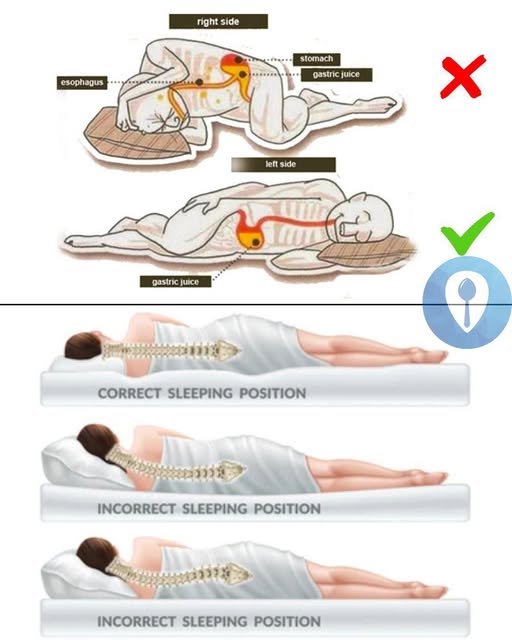
One of the most immediate benefits of left-side sleeping involves the digestive system. The stomach sits on the left side of the abdomen. Lying on this side keeps the stomach lower than the esophagus, creating a natural barrier against acid reflux and heartburn. For those with Gastroesophageal Reflux Disease (GERD), right-side sleeping can worsen symptoms by allowing acid to flow into the esophagus. Left-side sleeping also helps waste move from the small to the large intestine via the ileocecal valve, reducing bloating, gas, and constipation. In short, it supports the digestive marathon that happens while we dream.
The benefits extend to the brain. The glymphatic system—a waste-clearance network in the central nervous system—is most active during sleep. It flushes out metabolic waste, especially beta-amyloid proteins linked to Alzheimer’s and other neurodegenerative conditions. Studies in animals suggest the glymphatic system works more efficiently when lying on the side rather than on the back or stomach. While human studies continue, the implication is clear: your sleep position could affect your brain health decades from now.
For those with respiratory issues or sleep-disordered breathing, left-side sleeping offers another advantage. On the back, gravity pulls the tongue and soft palate backward, partially blocking the airway—causing snoring and contributing to obstructive sleep apnea. Side sleeping keeps the airway open, ensuring oxygen flows steadily, reducing cardiovascular strain and improving sleep quality.
Structural benefits are also significant. Stomach sleeping forces the neck into a twist and creates a pronounced arch in the lumbar spine, worsening chronic back and neck pain. Side sleeping allows the spine to maintain its natural curve. Bringing the knees slightly toward the chest—the “fetal” position—disperses pressure on the lower back, relieving herniated discs or general spinal tension.
However, side sleeping has potential pitfalls. Concentrating body weight on the shoulders and hips can cause soreness or numbness if the mattress is too firm. A too-soft mattress can let the midsection sag, straining the spine. Lying on one side of the face may irritate skin or worsen jaw issues like TMJ.
To maximize benefits, side sleeping should be approached as a skill. The right equipment and behavioral habits are key.
Pillows are critical. Side sleepers need a higher, firmer pillow to align the neck with the spine. A second, thinner pillow between the knees prevents the top leg from twisting the pelvis, protecting the lower back. Hugging a body pillow can prevent rolling onto the stomach or back.
For those who roll onto their backs unconsciously, creative solutions help. Sewing a tennis ball into the back of a pajama shirt discourages turning over. Practicing on a narrow couch can help the body adjust to lateral sleeping.
The goal of sleep is restoration. While deep REM sleep is unconscious, the habits and environment we create beforehand matter. Left-side sleeping supports the heart, improves lymphatic drainage, and creates optimal conditions for the brain and gut to perform nightly maintenance.
As research continues, the benefits of left-side sleeping grow clearer. Whether you want to reduce snoring, improve digestion, or protect your brain health, a simple ninety-degree turn may be all it takes. By aligning your sleep habits with your anatomy, you turn sleep into a nightly therapy session rather than mere unconscious rest.