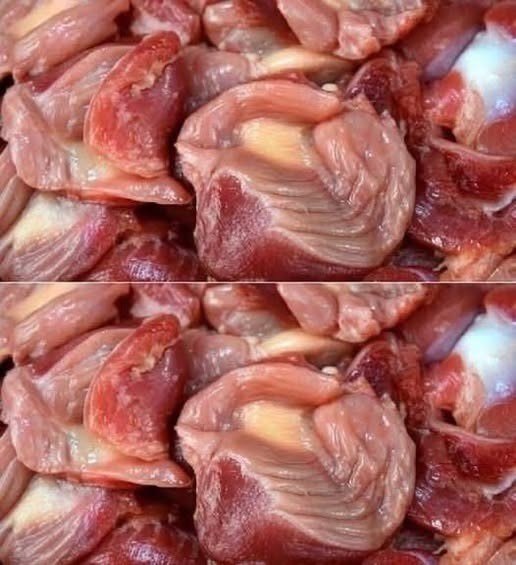
Few foods in the rich history of American cuisine capture the spirit of tenacity, ingenuity, and pure flavor like Crispy Southern Fried Chicken Gizzards. The unsung hero of the Southern cooking, the gizzard is frequently overlooked in favor of more traditional cuts like the breast or thigh. It is a cuisine that reflects a history of “nose-to-tail” eating, a time when the simplest ingredients were used to create magic and nothing was wasted. Few other fried dishes can equal the distinctive, incredibly delicious crunch that these tiny, muscular morsels produce when made with patience and accuracy.
A basic comprehension of the ingredient itself is the first step in making the ideal batch of gizzards. The bird is naturally robust and slender since the gizzard is a powerful muscle utilized for digesting. It requires a combination of controlled heat and chemical tenderization in order to reach its full potential. This method rewards the patient cook by transforming what might otherwise be a rubbery sensation into a sophisticated, sensitive mouthful encased in a crust made of broken glass.
The Basis: The Buttermilk Bath and Preparation
Thorough cleansing is the first step to greatness. Even though a lot of contemporary butchers offer pre-cleaned gizzards, it’s a good idea to check them for any rough inner linings or leftover silverskin. The gizzards need to be patted bone-dry after cleaning. This is a crucial technical aspect since any moisture that remains on the surface will form a barrier of steam while the crust is frying, preventing it from sticking and resulting in hazardous oil spatters.
The buttermilk marinade is the dish’s soul. In Southern frying, buttermilk is a twofold wonder: its thick consistency makes it the ideal “glue” for the flour coating, while its lactic acid gently breaks down the strong muscular fibers of the gizzard. One cup of buttermilk and a heaping spoonful of a vinegar-based hot sauce, such as Frank’s RedHot or Crystal, should be whisked together for one pound of cleaned gizzards. Instead of adding an overt heat, this creates a gentle, back-of-the-throat warmth. To start building the savory profile, add a teaspoon of garlic powder and one teaspoon of onion powder to this liquid gold.
For the truly initiated, an overnight soak is the best option, although the gizzards should be immersed in this bath for at least two hours. Because of the longer marinating time, the marinade is able to deeply enter the muscle, making every bite incredibly soft and seasoned from the inside out.
The Seasoned Flour: The Architecture of the Crunch
As the gizzards marinade, attention turns to the crunch’s architectural design—the seasoned flour coating. For a dish this substantial, a basic bowl of flour is insufficient. The blend must be able to withstand the earthy taste of the organ meat. A symphony of spices, including ground mustard for a sharp, savory flavor, dried thyme and oregano for a herbal high note, and cayenne pepper for the heat-seekers, should be combined with 1½ cups of all-purpose flour in a shallow dish.
The double-dredge technique is the key to achieving that desired “craggy” appearance. After removing a gizzard from the buttermilk and allowing the excess to drop off, bury it in the flour. Before giving it one more solid press into the flour, shake off the excess and—most importantly—dip it back into the buttermilk. This produces several batter layers that will crisp and expand in the oil. After coating, allow the gizzards to sit for ten minutes on a wire rack. The flour can hydrate during this rest time, forming a paste that adheres to the meat and prevents the crust from sliding off as soon as it lands on the skillet.
The Craft of Frying
Temperature and acoustics are just as important to frying as time. A heavy-bottomed vessel is required; a Dutch oven offers better temperature stability and less mess than a cast-iron pan, which is the conventional option. Preheat four to six cups of peanut or vegetable oil to precisely 350 degrees Fahrenheit. The gizzards will function like sponges, absorbing grease and growing heavy if the oil is too cold. The crust will burn before the interior reaches the safe temperature of 165°F if it is overheated.
To prevent “crowding the pan,” which can lower the oil temperature and produce soggy results, fry in tiny batches. The gizzards will change dramatically, turning a deep mahogany gold, during the next six to eight minutes. Some generational fry cooks use the double-fry method to achieve the ultimate “shatter” effect: fry for four minutes, let the gizzards rest for five minutes to allow the residual heat to finish the interior, and then drop them back into the oil for a final two-minute blast of heat to crisp the skin to a crystalline state.
Place them on a wire rack as soon as they come out of the oil; paper towels retain steam and soften the fry’s bottom. Give them a last, light sprinkle of flaky sea salt while they are still glistening with hot oil.
A History of Fortitude
A piece of American history is consumed when a fried gizzard is eaten. This meal exemplifies the creativity of chefs who refused to accept inferior flavor when dealing with the animal’s “lesser” parts. It is a culinary demonstration of the notion that any ingredient may be raised to the level of art with sufficient skill and passion.
The chicken gizzard is the genuine deal in a contemporary culinary world that is becoming more and more fixated on “authentic” and “rustic” experiences. It is a communal dish that is frequently served at late-night kitchen counters, game day get-togethers, and church socials. It tastes best with the staples of the Southern table: buttered cornbread for sweetness, creamy, sour coleslaw to balance the richness, and maybe some pickled onions for a sharp acidity that clears the palate for the next crunchy bite.
Bringing a plate of these gizzards to the table is more than simply a nibble. You are telling a tale of ingenuity. You are demonstrating that individuals frequently overlook the nicest things in life. So light the skillet, allow the oil to start dancing, and engage in a custom as intricate, robust, and fulfilling as the South itself.