For many people over the age of 60, the first signs of cognitive decline can feel sudden, confusing, and deeply frightening. It might begin with something small—a word that slips from memory, a moment of blankness in the middle of a conversation, or a familiar name that refuses to surface no matter how hard you search. These tiny lapses, often dismissed at first, can spark a growing unease: Is this simply the natural slowing that comes with age, or is it the early whisper of something more serious, something that could impact independence and quality of life? The uncertainty alone can be unsettling, a quiet anxiety that lingers in the background of daily routines. As this fear slowly builds, researchers and health-conscious individuals alike have been searching for ways to protect the mind, to maintain clarity, and to fortify memory and attention. Surprisingly, one promising ally has emerged from an unlikely place: a common kitchen herb—sage.
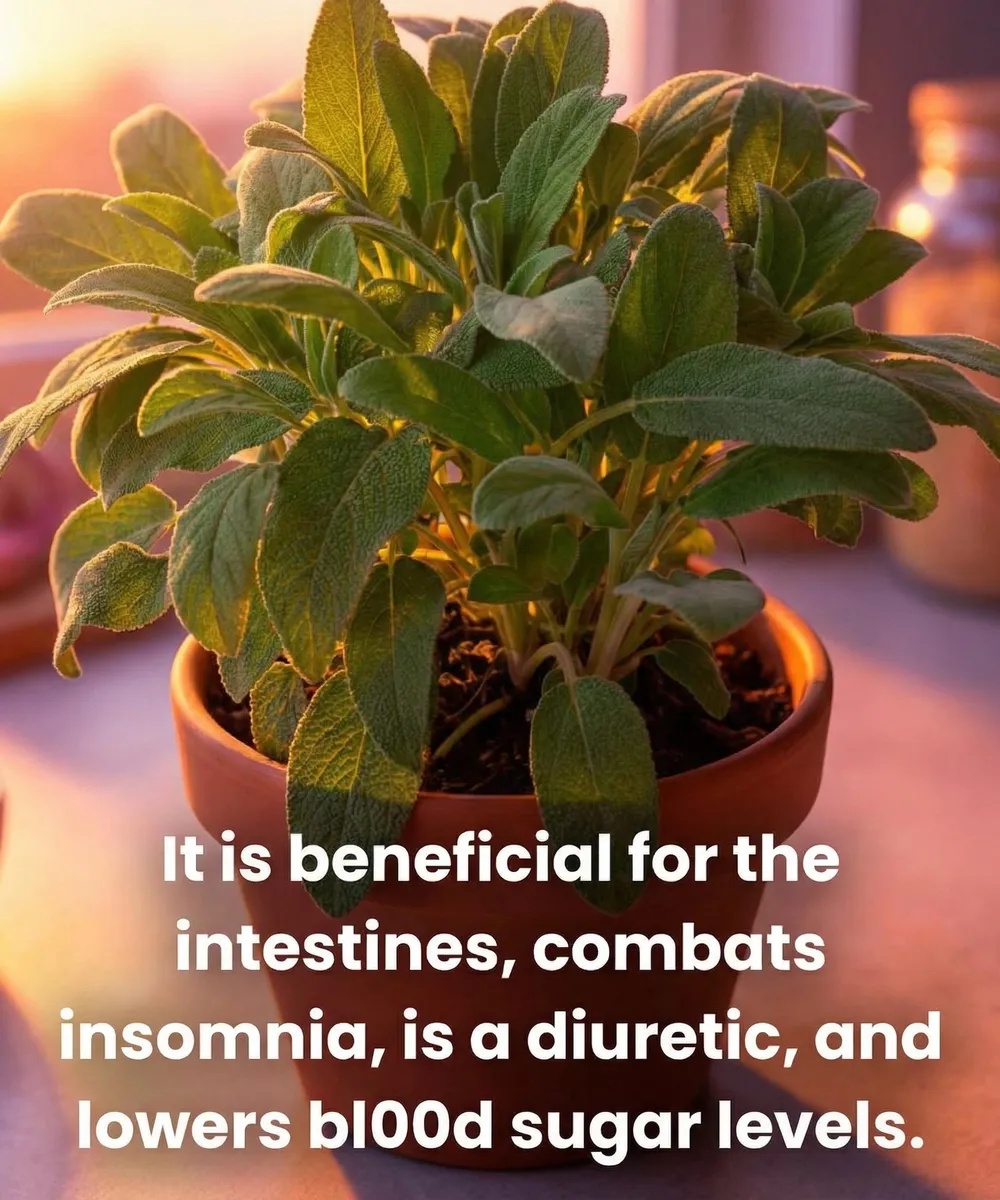
Sage is far more than a culinary accent or a fragrant addition to roasted meats and holiday dishes. For centuries, it has been celebrated in folk medicine for its calming properties, its digestive benefits, and its connection to mental sharpness. Modern research is beginning to validate some of these traditional uses, showing that sage contains compounds capable of supporting aspects of brain health. While sage is not a cure for cognitive disorders, and it is certainly not a magical solution, it represents a gentle, natural approach that can be integrated into everyday life. By incorporating this humble herb into meals, teas, or supplements, older adults may give their brains a small, consistent boost—a daily ritual that promotes memory, focus, and long-term cognitive resilience. This approach is about small, practical steps that honor both tradition and science, a way of caring for the mind without relying solely on high-tech interventions or pharmaceutical solutions.
The key to sage’s growing reputation lies in how it interacts with acetylcholine, a critical neurotransmitter responsible for memory, attention, and learning. As people age, acetylcholine levels naturally decline, which can make everyday mental tasks—like recalling a familiar face, concentrating on reading, or remembering a grocery list—slightly more challenging. Certain compounds found in sage, particularly flavonoids and essential oils, appear to help support the activity of this neurotransmitter. Some studies suggest that people who regularly consume sage may notice improvements in recall, alertness, and overall mental clarity. While it is not a replacement for medical care or treatment for cognitive impairment, sage can complement other lifestyle strategies that are proven to support brain health, including adequate sleep, regular physical activity, mental stimulation, and social engagement. Together, these practices create a holistic approach that respects the complexity of brain aging.
Beyond its effects on neurotransmitters, sage also offers valuable antioxidant and anti-inflammatory properties, which are particularly important as the brain grows older. Oxidative stress—a process in which free radicals damage cells—and chronic, low-level inflammation can gradually erode cognitive resilience over time. The flavonoids, phenolic compounds, and essential oils in sage act to neutralize these free radicals, support cellular health, and create a more balanced internal environment for neurons to thrive. Regular, moderate consumption of sage, whether added to soups, roasted vegetables, poultry, or brewed as a mild tea, provides a practical and safe way to harness these benefits. For most adults over 60, incorporating sage is as simple as seasoning a meal or enjoying a cup of herbal tea, and it carries no significant risk when used in culinary amounts. In this way, sage functions as both a sensory pleasure and a subtle act of self-care—a reminder that caring for the brain can be delicious, natural, and integrated into daily life rather than a daunting medical task.
Finally, the value of sage is not just in its chemical effects, but also in what it represents: mindfulness, intention, and the small daily choices that accumulate over time. Choosing to add sage to meals, to pause and enjoy its aroma, or to sip a gentle tea can become a ritual that reinforces attention to one’s health, nurtures consistency, and encourages awareness of the present moment. In combination with sleep, exercise, social connection, and mental engagement, sage provides a practical, evidence-informed tool to support brain health in later life. It is not a cure-all, but it is a tangible, approachable way for older adults to take an active role in maintaining memory, focus, and cognitive resilience. In a world of complex health advice and overwhelming supplements, sage reminds us that sometimes the simplest, most accessible steps can make a meaningful difference.