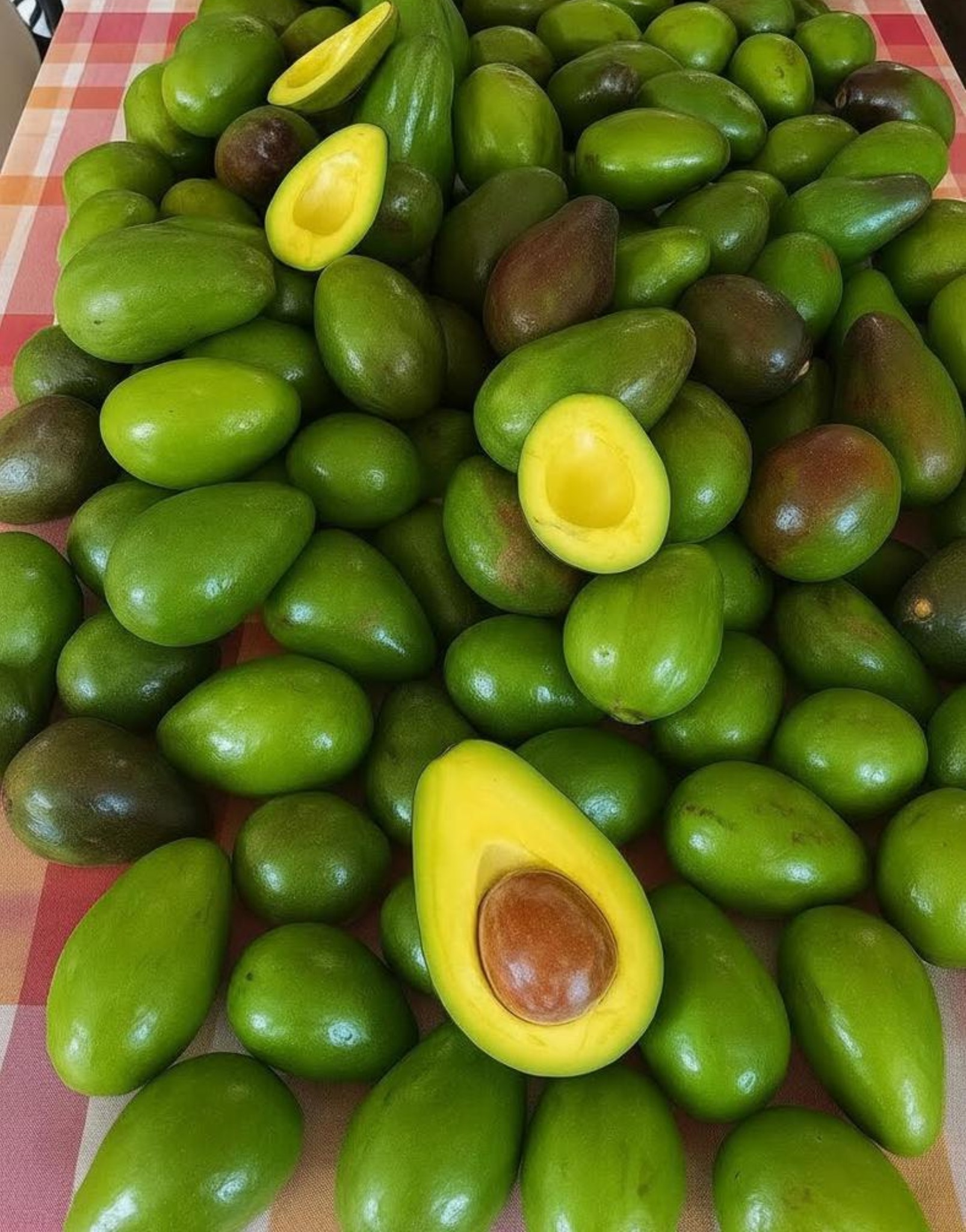
In the ever-evolving landscape of modern nutrition, few foods have achieved the level of cultural and dietary ubiquity that the avocado has. Once dismissed as a curious, exotic novelty, the “alligator pear” has emerged as a global culinary icon, emblematic of wellness, vitality, and contemporary eating habits. From the now-ubiquitous avocado toast in urban brunch cafes to nutrient-packed smoothies, gourmet salads, and vegan spreads, its smooth, buttery texture and high content of heart-healthy monounsaturated fats have cemented its status as a “superfood.” Nutritionists frequently praise the fruit for its impressive profile: abundant fiber, potassium, and essential vitamins such as C, E, and K, alongside phytonutrients believed to support cardiovascular health. Its versatility, both raw and incorporated into cooked or blended dishes, has made it an indispensable part of the plant-forward, health-conscious diet embraced by millions worldwide.
Yet, despite its widespread acclaim, the avocado is not universally benign. Beneath its rugged, pebbled exterior lies a complex biochemical composition that can, in certain cases, trigger adverse reactions. The growing body of clinical observations underscores the necessity of understanding individual physiological responses. While the fruit’s benefits are clear for most consumers, there exists a spectrum of potential side effects that range from mild dermatological reactions to serious allergic responses and interactions with essential medications.
Topical application of avocado, for example, has become a mainstay in the skincare and beauty industries. Its oil-rich flesh provides intense hydration, and it is frequently incorporated into high-end serums, hair masks, and DIY facial treatments. However, dermatologists caution that the very fatty acids and proteins that nourish one person’s skin can provoke irritation in another. Individuals with sensitive or compromised skin may experience contact dermatitis, presenting as localized redness, persistent burning, or clusters of small, itchy hives. Experts recommend a patch test prior to extensive use, as a seemingly harmless natural treatment can elicit a pronounced inflammatory response if the skin barrier is already weakened. Indeed, cases of severe eczema flare-ups and prolonged irritation after daily use of avocado-based masks have been documented, particularly among those with pre-existing dermatological conditions such as rosacea.
A more scientifically complex and clinically significant issue is the cross-reactivity phenomenon known as “latex-fruit syndrome.” Allergists have identified that proteins present in natural rubber latex closely resemble certain proteins in fruits, including avocado, banana, and chestnut. In susceptible individuals, the immune system can mistakenly recognize the avocado protein as a latex allergen, triggering a cascade of allergic reactions. Symptoms vary widely, from oral allergy syndrome—which involves itching or swelling of the lips, mouth, or throat—to gastrointestinal distress, nausea, and, in rare severe cases, anaphylaxis. For individuals with known latex allergies, even minor exposure through dietary intake can constitute a medical emergency, emphasizing the critical need for heightened vigilance and consultation with immunology specialists.
The pediatric perspective on avocado consumption also warrants careful consideration. Its creamy consistency and high caloric density make it an ideal “first food” for infants transitioning to solids. While avocados provide essential fats critical for neurological development and growth, some children exhibit digestive sensitivities. The high fiber and fat content can, in certain infants, provoke vomiting, diarrhea, or discomfort. These reactions may sometimes be linked to Food Protein-Induced Enterocolitis Syndrome (FPIES), a non-IgE mediated food allergy that primarily affects infants and young children. Pediatricians advise a gradual, monitored introduction of avocado, ideally offered in isolation, to pinpoint potential triggers and avoid compounding reactions from mixed meals.
Beyond allergies and digestive sensitivities, another often overlooked danger is the potential for drug-nutrient interactions. Avocados are exceptionally rich in Vitamin K, a nutrient pivotal in blood clotting and wound healing. While beneficial for most, this can pose significant complications for individuals prescribed anticoagulants like warfarin. Warfarin works by inhibiting Vitamin K to reduce clot formation; sudden increases in dietary Vitamin K can offset the medication, increasing the risk of dangerous clotting events. Conversely, abrupt reductions in avocado intake may overly thin the blood, elevating the risk of internal bleeding. Cardiologists emphasize maintaining a consistent dietary intake of Vitamin K, coupled with proactive communication with healthcare providers to ensure therapeutic dosing of anticoagulants remains effective.
Pregnancy and lactation introduce additional variables in avocado consumption. While moderate intake is generally recommended due to its folate content and nutrient density, excessive consumption—particularly of concentrated avocado extracts or leaves—may carry unintended consequences. Observational studies and anecdotal reports suggest that extraordinarily high intake could potentially interfere with milk production or cause gastrointestinal upset in sensitive individuals. Though rare, these considerations highlight the importance of moderation and professional guidance when incorporating superfoods into maternal diets.
Even cultural and culinary practices contribute to the avocado’s complex health profile. Raw, roasted, blended, or pureed forms each exhibit slightly different bioavailability of fats and micronutrients, affecting digestion and absorption. Combining avocado with other high-fat foods may exacerbate digestive reactions in sensitive populations, while topical applications combined with essential oils or acidic compounds can enhance skin permeability, sometimes intensifying irritation. Awareness of these nuances is critical for consumers seeking to optimize both nutrition and cosmetic benefits without unintended side effects.
Ultimately, the story of the avocado is one of balance and awareness. While its culinary and nutritional merits remain undeniable, emerging medical findings remind us that “natural” does not equate to universally harmless. Individual responses vary, shaped by genetics, immune status, digestive maturity, and concurrent medication use. Recognizing the potential for skin irritation, latex cross-reactivity, pediatric sensitivities, and drug interactions empowers consumers to make informed, personalized choices. Rather than blindly following dietary trends, individuals can cultivate a mindful approach—one that considers not only the nutrient profile of a food but also the body’s unique biological context.
The avocado remains a celebrated superfood, but its narrative has evolved. By acknowledging its possible adverse effects, consumers move from trend-driven diets toward truly health-informed practices. Experiences of discomfort, allergic reactions, or digestive upset should be viewed as signals for investigation, not dismissal. In the modern wellness era, the most potent tools are not the fruits or supplements themselves, but the informed guidance of healthcare professionals, meticulous attention to personal responses, and a nuanced understanding of one’s own body. Knowledge transforms the avocado from a simple ingredient into a calibrated, beneficial component of a diet attuned to both enjoyment and individual well-being.