The harsh, blue-white glow of the hospital hallway lights always seemed to buzz in my head by the end of a double shift. I’m thirty-three years old, a mother of two, and someone who has mastered the exhausting survival skill of moving forward inch by inch. After my husband slowly vanished from our lives—first fewer texts, then missed calls, and finally complete silence—it became just me and my girls, five and seven years old. For them, Christmas is pure magic: crooked handwritten letters to Santa, passionate arguments about which cookies matter most. For me, it’s a carefully planned operation involving strict budgeting, secondhand gifts, and crossing my fingers that our ancient furnace survives another winter.
Two days before Christmas, the entire city was wrapped in a slick coat of black ice. I was driving home, mentally juggling unfinished gift wrapping and trying to remember where I’d hidden the Elf on the Shelf. The girls were safe at my mom’s house, probably riding the sugar crash from an afternoon of holiday movies. I was halfway lost in thoughts of sleep when I noticed her.
She stood beneath the narrow roof of a bus stop, completely still as the wind whipped around her. She clutched something to her chest with such intensity that my stomach tightened instantly. As I drove past, every warning I’d ever been taught screamed at me: Keep driving. It’s dark. You’re alone. You have children who need you. But beneath that fear was another voice—quieter, sharper, impossible to ignore. What if that were you? What if that were your baby?
I pulled over.
The passenger window creaked down, stiff with frost. Up close, she looked worn down to the bone by the cold. Her hair was tangled, her lips cracked and bleeding, and the baby in her arms—small and fragile, with cheeks flushed deep red—had one stiff little hand poking out from a thin blanket.
“I missed the last bus,” she said softly, her voice brittle. “I don’t have anywhere to go.”
She had no phone. No nearby family. No backup plan. I looked at the baby—Oliver, she told me later—and then I pictured my small, drafty house just a few blocks away. Before fear could catch up and argue, I opened the car door. “Get in,” I said. “You’re staying with me tonight.”
The drive was short and filled with apologies. Laura was twenty-two, exhausted, and carrying more weight than anyone that young should have to. When we stepped inside my house, the air smelled faintly of laundry and old wood. The Christmas tree lights blinked gently, casting a warm glow. I watched her eyes take in the chipped paint and mismatched furniture like she was entering someplace grand.
I gave them the guest room—the one with the uneven dresser and the faded quilt my grandmother made. I warmed up leftover pasta and garlic bread. When I brought the plate in, Laura sat on the edge of the bed, still wearing her coat, rocking Oliver with frantic determination. I offered to hold him so she could eat, but she shook her head, fear flashing in her eyes—the same protective panic I’d felt myself. She whispered into his hair, “I’m sorry, baby. Mommy’s trying.” I had whispered those exact words more times than I could count.
That night, sleep came in fragments. I was caught between the quiet pride of helping someone and the fear that I had brought a stranger into my home. At one point, I checked on them, peeking through the cracked door. Laura was propped against the wall, Oliver asleep on her chest, her arms wrapped around him as if she alone was holding him together.
The next morning, I drove them to the station to meet her sister, who had finally been reached. As Laura stepped out of the car, she hugged me tightly with one arm while securing Oliver with the other. “If you hadn’t stopped,” she whispered, “I don’t know what would have happened.” I watched them disappear into the crowd, certain our brief connection had ended there.
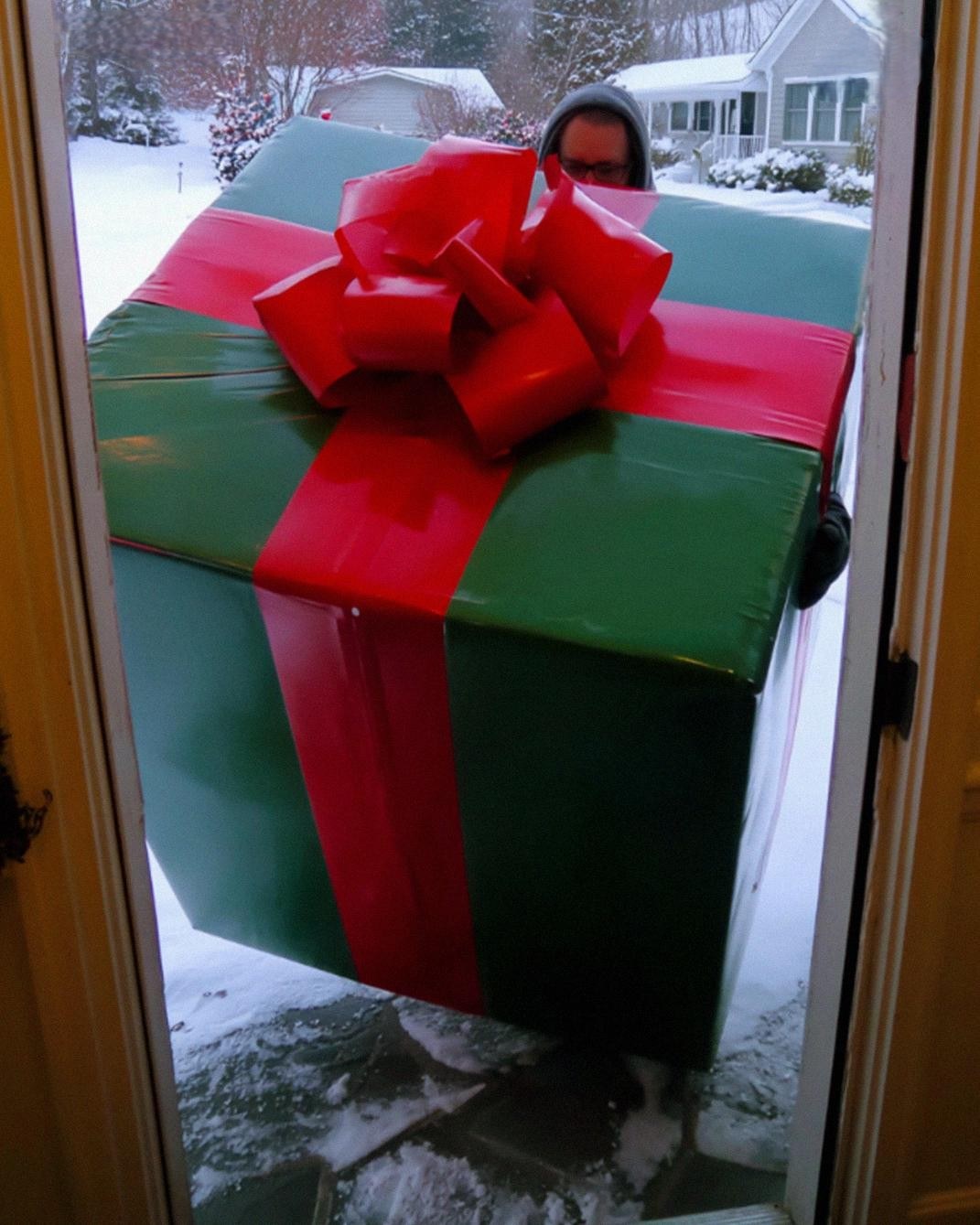
Christmas morning arrived in its usual whirlwind. My daughters buzzed with excitement, arguing over who got to open the first present. We were in the middle of a dramatic celebration when the doorbell rang. On the porch stood a delivery driver holding a large, beautifully wrapped box topped with an oversized red bow. My name was on the tag. No sender.
The girls hovered as I carried it into the kitchen and unwrapped it. Inside was a letter that began: Dear kind stranger.
It was from Laura. She had made it home safely, and after telling her family about the exhausted mom who had rescued them from the cold, her entire household wanted to respond. They didn’t have much money—but they had gratitude, love, and closets full of clothes from her nieces.
As I unpacked the box, tears spilled freely. It wasn’t just a few hand-me-downs—it was a gift beyond anything I expected. Soft sweaters in exactly my girls’ sizes. Sparkly boots that made my seven-year-old gasp in delight. Dresses that looked brand new. Jeans without worn knees. Even costumes—a princess, a superhero, a witch—for their dress-up bin.
At the bottom was a small note in younger handwriting: From our girls to yours.
“Mommy, why are you crying?” my oldest asked, holding a sequined dress to her chest.
I knelt and pulled both of them close. “Because the world is gentler than it looks sometimes,” I said. “And because when you put kindness into the world, it finds its way back.”
Those clothes weren’t just clothing—they were relief. They were a season without worrying about outgrown shoes or stretching every dollar until it hurt. They were proof that even when single motherhood feels overwhelming, unseen hands are reaching out to help.
Later that day, I found Laura on Facebook and sent her a picture of the girls spinning in their new outfits. We’ve stayed in touch ever since—sharing tired-mom confessions, kid photos, and quiet encouragement. Two mothers from different lives, connected by one frozen night. I began that week feeling like I was barely holding everything together. I ended it knowing that as long as we care for one another, none of us are truly alone.