In the carefully choreographed world of wedding planning, there exists an unspoken agreement between a bride and her bridal party. It’s a pact built on shared history, mutual support, and the understanding that while the spotlight is on the couple, the weight of the celebration should be carried with grace. When my best friend, Emily, asked us to stand as bridesmaids, we said yes with the kind of eager enthusiasm that typically precedes monumental events. We imagined a flawless day—a vision of pastel gowns, heartfelt vows, and a joy so picture-perfect it could fill a leather-bound album. What we didn’t anticipate was that the day would turn into a surreal lesson on greed, karma, and the cost of a frosted ego.
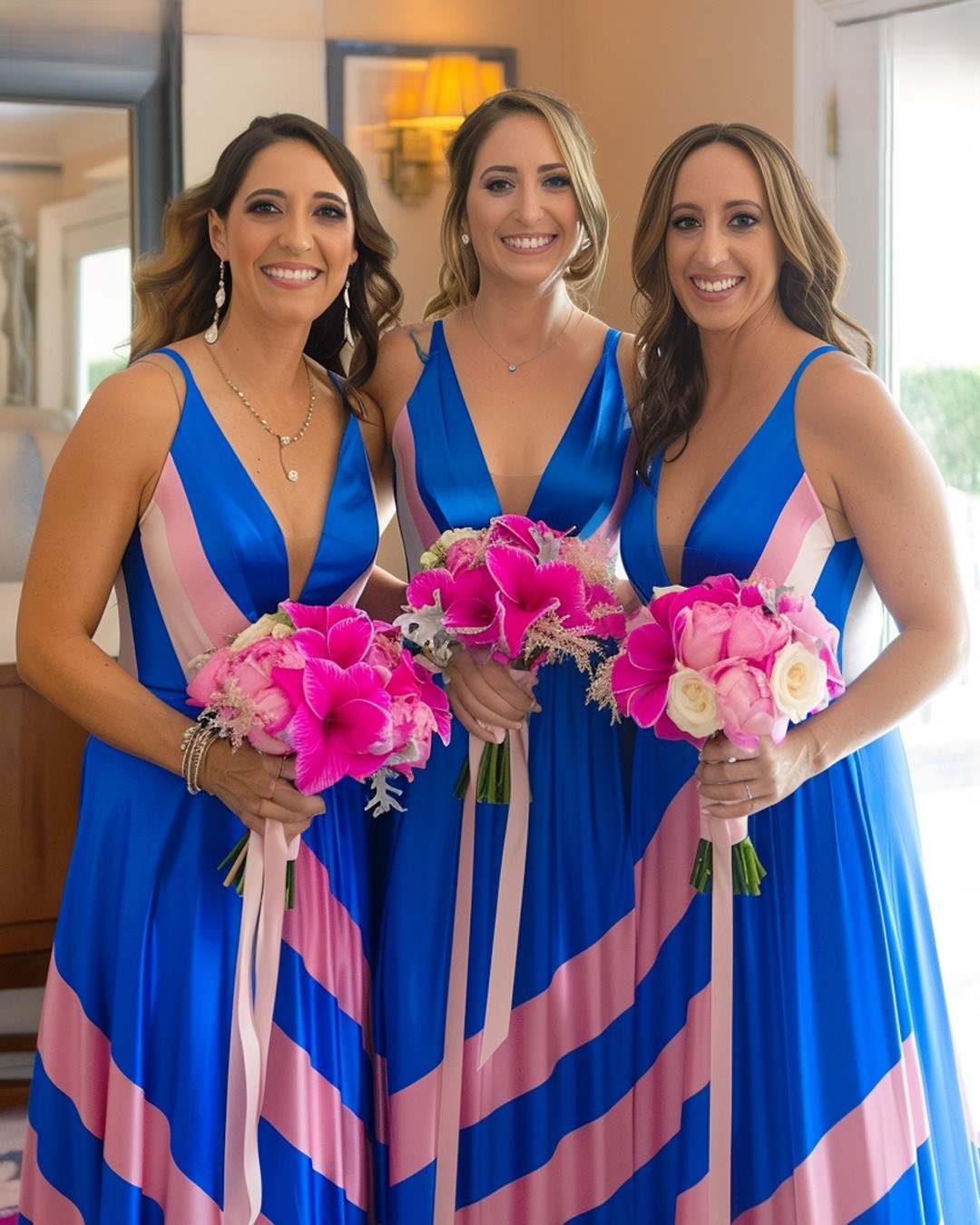
The wedding morning was a symphony of controlled chaos. The bridal suite smelled of hairspray and champagne, with Emily at its center, radiating the manic energy of someone who had spent eighteen months perfecting every detail. She had handpicked our dresses, intricate lace designs in pastel tones she insisted were essential to the “visual story” of her day. When she presented them, we were in awe. They were stunning, catching the morning light, yet so specific to her theme that they would never see another event. They were “one-day wonders,” and we wore them proudly, believing they were her gift to the women who had helped navigate countless floral and catering decisions.
The ceremony was pure magic. As Emily met her groom, James, at the altar, not a dry eye remained. Their vows were heartfelt, pledging unwavering support and shared dreams. For a brief moment, it seemed the world had tilted into perfection. The reception followed with music and laughter, sweeping us along in the celebration. But as the night went on, the atmosphere shifted.
During a lull in the dancing, Emily pulled the five of us aside. Her smile was still radiant, but there was a sharp, transactional edge to it. Calmly, she dropped a bombshell: “Ladies,” she said, “I wanted to settle the dress costs tonight. Each gown was $1,200. I’ll need reimbursement before the honeymoon. How would you like to transfer it? My banking app is ready.”
The room fell silent. The silky, $1,200 dresses suddenly felt like lead. None of us had been consulted about the price, and none had budgeted for such an unexpected expense. We were caught between loyalty to a friend and the feeling of being exploited. Just as we fumbled for words, fate intervened.
A commotion erupted at the ballroom entrance. The doors swung open, and the music faltered as guests turned to see the wedding cake—no, a cake-monolith—arriving. A towering, multi-tiered structure, it weighed at least fifty kilograms and was lavishly coated in gold-leaf frosting. It didn’t just enter; it dominated the room.
The catering staff struggled to maneuver it toward the center. Emily, previously focused on our reimbursements, froze. Her eyes widened with horror. She hadn’t miscalculated our dresses—she had grossly misjudged the cake. The bill was astronomical, far exceeding the sums she had been demanding from us. Karma, it seemed, had arrived in the form of a five-hundred-pound sponge-and-buttercream catastrophe.
In that ridiculous chaos, our friendship was tested. We could have walked away, letting her sink under the weight of her own extravagance. But seeing Emily—small and trembling amidst a sea of gold frosting—our frustration gave way to compassion. Despite her earlier greed, she was still our friend, clearly drowning.
We stepped forward. We ignored the $1,200 dresses and focused on helping her manage the disaster. Pooling our resources, coordinating with the venue, and turning chaos into comedy, we distributed huge slabs of cake to everyone present. The bridal party’s strength, we realized, wasn’t in expensive gowns but in catching the bride when she fell—even into a massive cake.
By the time Emily and James shared their final dance, the tension had lifted. The lesson remained clear. Attempting to put a price on loyalty invites cosmic correction. That wedding became legendary, not for romance or lace, but as a story about resilience, humor, and friendship. Emily learned humility, and we learned that a sense of humor—and good friends—can make even the bitterest pill, or the heaviest cake, easy to swallow. We left a little lighter in the wallet, but with an unbreakable bond and a story that would last a lifetime: never demand reimbursement when the universe is watching.