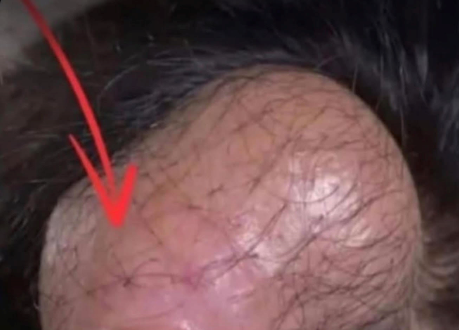
Acne is one of the most common skin conditions worldwide, affecting millions of people of all ages. However, the severity of acne can differ greatly, ranging from mild, occasional breakouts to chronic, painful lesions that cover large areas of the face, back, and chest. Understanding the severity is crucial, as it determines the type of care and intervention required.
Severe acne is not merely a cosmetic concern—it can have significant emotional and psychological effects. Individuals with severe acne often struggle with low self-esteem, anxiety, depression, and social isolation. Teenagers and young adults, in particular, may face bullying or judgment from peers, which can leave long-lasting emotional scars.
The severity of acne is often determined by the type and depth of lesions. Mild acne typically consists of blackheads and small whiteheads, while moderate acne includes inflamed pimples and pustules. Severe acne, however, involves deep cysts, painful nodules, and large abscesses that are prone to scarring if untreated.
Cystic acne is a hallmark of severe acne. These cysts are large, tender bumps that form deep beneath the skin’s surface. They are often painful, last for weeks or months, and can leave permanent marks if not treated promptly by a dermatologist.
Nodular acne is another type of severe acne, characterized by hard, solid lumps beneath the skin. Unlike cysts, nodules may be less red but are still painful and long-lasting. They often appear in clusters and require professional medical care to avoid lasting skin damage.
Hormonal fluctuations play a major role in severe acne. Teenagers undergoing puberty, women with menstrual cycles, or individuals with conditions like polycystic ovary syndrome (PCOS) may experience excessive oil production, clogged pores, and persistent breakouts due to elevated androgen levels.
Genetics are also a critical factor. People with a family history of severe acne are more likely to experience it themselves. Even with diligent skincare routines, some individuals cannot prevent severe breakouts without medical intervention.
Lifestyle factors can worsen acne severity. Diets high in sugar, dairy, or processed foods, chronic stress, lack of sleep, and certain medications can trigger inflammation, increase oil production, and worsen breakouts. Although these factors alone rarely cause severe acne, they can make existing acne more difficult to manage.
Treating severe acne usually requires professional intervention. Dermatologists may prescribe oral antibiotics to reduce inflammation, hormonal therapies such as birth control pills to balance hormones, or isotretinoin, a powerful medication that targets deep-seated acne and can result in long-term remission.
Topical treatments also remain important. Ingredients like benzoyl peroxide, salicylic acid, and retinoids help reduce inflammation, unclog pores, and prevent new breakouts. Consistency is key, as skipping treatments can allow severe acne to worsen rapidly.
Scarring is a major concern with severe acne. Without proper care, cysts and nodules can leave permanent marks, including pitted scars, raised tissue, or dark pigmentation. Early intervention, combined with treatments like chemical peels, laser therapy, or microneedling, can significantly reduce the risk of permanent scarring.
Emotional support is as critical as medical treatment. People with severe acne often feel isolated and judged. Counseling, support groups, or guidance from friends and family can help improve mental health and provide encouragement throughout the treatment process.
Severe acne is not limited to teenagers. Many adults experience new or recurring severe acne in their 20s, 30s, and even 40s. Adult acne can be triggered by stress, hormonal changes, medication, or underlying health conditions, and it often requires different approaches than adolescent acne.
Awareness and education about severe acne empower individuals to seek timely help. Understanding the causes, risk factors, and treatment options helps prevent long-term physical and emotional damage. People should be encouraged to consult a dermatologist early, rather than attempting only home remedies that may be ineffective.
Self-care routines are essential even for those under medical treatment. Gentle cleansing, moisturizing with non-comedogenic products, avoiding harsh scrubs, and wearing sunscreen help maintain skin health and prevent further irritation. Small daily habits can complement medical therapy and improve overall outcomes.
Social and cultural pressures can amplify the stress of severe acne. Media portrayals of flawless skin and peer expectations may make individuals feel ashamed or self-conscious. Recognizing that acne is a medical condition—not a personal failure—is crucial for maintaining self-esteem.
Some people benefit from alternative or complementary therapies, such as dietary changes, mindfulness practices, and stress management techniques. While these are not substitutes for medical treatment, they can reduce flare-ups and improve emotional well-being.
Severe acne often comes with physical discomfort. Pain, tenderness, and swelling make everyday activities like washing the face or sleeping uncomfortable. Addressing both pain and appearance is essential for comprehensive care.
Early intervention is the most effective way to reduce long-term consequences. Regular check-ups with a dermatologist, prompt treatment of flare-ups, and careful monitoring of progress can prevent scarring and reduce the duration of severe acne.
Severe acne is more than skin-deep—it affects mental health, social life, and quality of life. By combining professional treatment, consistent skincare, emotional support, and lifestyle adjustments, individuals can manage severity effectively and reclaim confidence in their appearance.
Education and advocacy are key. Parents, teachers, and healthcare providers should ensure that teenagers and adults understand that severe acne is treatable and not a reflection of their character. This awareness can reduce stigma and encourage timely medical care.
The journey with severe acne often involves trial and error. Different treatments work for different individuals, and patience is required. Maintaining hope, following medical guidance, and celebrating small improvements can make the process less overwhelming.
Support networks—whether family, friends, or online communities—play an invaluable role. Sharing experiences, tips, and encouragement fosters resilience and reduces the emotional burden of dealing with severe acne.
Finally, recognizing progress is important. Even small improvements in skin condition, reduction in lesions, or better emotional coping should be celebrated. Recovery from severe acne is a process, and every step forward contributes to better physical and mental health.
In conclusion, the severity of acne is not just a matter of appearance. It is a complex condition that impacts physical, emotional, and social well-being. With awareness, professional guidance, self-care, and emotional support, individuals can manage severe acne effectively and lead fulfilling lives.