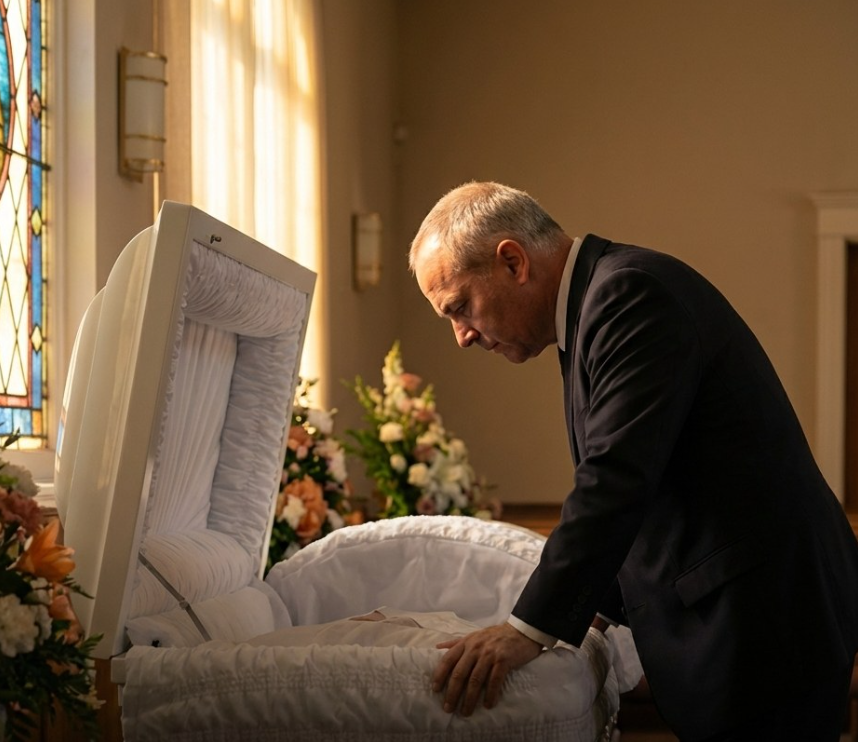
In the quiet aftermath of death, time seems to both slow down and become painfully precise. Everyday noises soften, thoughts drift, and what often remains is a deep instinct to stay close to the person who has just passed. For many, that closeness is expressed through touch—a hand held for a few seconds longer, a gentle kiss on the forehead, a body leaned toward as if nearness itself could ease the weight of loss. These reactions are profoundly human. They are not rooted in confusion or denial, but in love, attachment, and the need for a final sense of connection when words no longer feel sufficient.
Alongside this emotional reality, however, exists a quieter and more practical truth—one that most people are unprepared for in moments of grief. After death, the human body begins to change quickly, and understanding these changes can help families say goodbye with awareness rather than later regret. Knowledge does not diminish tenderness; instead, it allows compassion to exist alongside safety and reassurance.
From a biological perspective, death marks the point at which the immune system ceases to function. Without the body’s natural defenses, bacteria that were once controlled begin to multiply. This is a normal and unavoidable part of the natural process that occurs in every human body. In most situations, especially during the first hours after death, the risk to others remains low. Still, close contact—particularly involving the face, mouth, or bodily fluids—can increase exposure to microorganisms, something grieving individuals rarely consider in the moment.
Certain medical conditions can require additional awareness. If the deceased had an infectious illness, some bacteria or viruses may persist briefly on the skin or in bodily fluids. This does not automatically make contact dangerous, but it does make informed decisions important. Funeral professionals and healthcare providers are trained to evaluate these situations and offer guidance specific to each case, helping families balance emotional needs with basic health considerations.
Environmental factors also come into play during funeral preparations. When a body is transported or prepared for viewing, preservation methods such as embalming may be used. These substances are handled under strict safety protocols, but they can occasionally irritate the skin, eyes, or airways—especially for those with sensitivities or respiratory conditions like asthma. This is one reason funeral homes encourage open communication and questions. Their responsibility extends beyond logistics; they are there to protect families and ensure that farewells happen in a safe, controlled, and respectful environment.
Emotional well-being deserves just as much attention as physical safety. Grief is unpredictable, and memories formed during final moments can linger for years. While an embrace or kiss may feel comforting at the time, it can later become distressing—particularly if the physical changes that occur after death are unexpected. Children are especially vulnerable, as they may struggle to process what they see or feel, and gestures meant to express love can unintentionally become confusing or frightening over time.
Many families find that alternative forms of closeness offer equal comfort without added concern. Holding a hand, resting a hand on a shoulder, smoothing hair, or simply sitting nearby can communicate love and presence in a grounding, gentle way. Speaking softly—sharing gratitude, apologies, or farewells—can be deeply healing, even without a response. These acts honor the bond while allowing space for acceptance.
Cultural and spiritual traditions also shape how people approach death and physical contact. Some cultures emphasize closeness and touch as essential parts of mourning, while others encourage distance as a form of respect for the transition taking place. Recognizing and honoring these perspectives can help families feel supported rather than conflicted, especially when different generations or beliefs are involved.
Modern grief counseling increasingly highlights the importance of informed choice. There is no universal rule governing what one should or should not do after a death. What matters is making decisions consciously, rather than out of pressure or assumption. Being told “this is what people do” can be just as harmful as being told “you shouldn’t.” Empowerment comes from understanding the options and choosing what aligns with personal values, emotional readiness, and physical well-being.
Grief can blur boundaries. In the shock of loss, people may fear that if they don’t take a specific action—like a final kiss—they will regret it forever. But closure does not depend on a single moment. Love is not diminished by restraint, and connection is not defined by physical proximity. Often, the most meaningful goodbyes are quiet and internal, carried forward through memory rather than fixed in one final gesture.
Funeral directors, hospice staff, and healthcare professionals are valuable sources of support during this time. They are experienced in guiding families through deeply personal moments with care and discretion. Asking questions, voicing concerns, or requesting alternatives is not an inconvenience—it is part of why they are there.
Ultimately, saying goodbye after death is not about following external expectations. It is about choosing what feels respectful, safe, and emotionally sustainable. For some, that includes gentle touch; for others, it means maintaining a small physical distance while remaining emotionally present. Both paths are valid.
Grief has no single form, and love has no single expression. Being informed allows families to honor both—protecting themselves while respecting the bond that remains even after life has ended. In these moments, caring for the living is as important as honoring the dead, and the most meaningful farewells are those that leave space for healing long after the goodbye has passed.